




The Philosophy: Serenity Meets Soul
At first glance, the two styles seem worlds apart. Japanese design, rooted in concepts like 'wabi-sabi' (finding beauty in imperfection) and 'ma' (the importance of empty space), champions clean lines, natural materials, and a muted colour palette. It
is about creating a tranquil, uncluttered environment that promotes peace. On the other hand, traditional Indian decor is a celebration of life, bursting with vibrant colours, intricate patterns, and rich, handcrafted textiles. But look closer, and you'll find a shared respect for natural materials, craftsmanship, and creating a space with meaning. The fusion lies in using the Japanese minimalist framework as a canvas and layering it with soulful Indian elements as thoughtful, impactful accents.
The Foundation: A Neutral Canvas
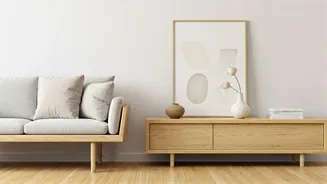
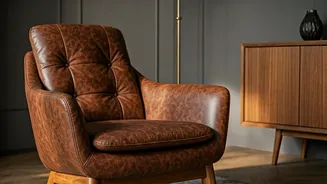
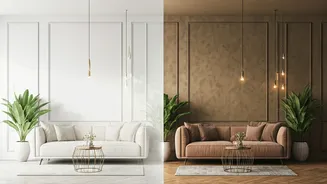
To achieve this harmonious blend, start with a Japanese-inspired base. This means thinking about your walls, floors, and large furniture pieces. Paint your walls in soft, earthy tones like beige, greige, stone, or a warm off-white. This creates a serene backdrop that allows other elements to shine without overwhelming the senses. For flooring, consider light wood or bamboo. The key is to establish a feeling of spaciousness and calm. Your bed frame should be simple and functional, preferably made of natural wood like teak or oak with a low-profile design. Avoid ornate, heavy furniture that would disrupt the clean, minimalist lines.
Textiles: The Soul of the Room
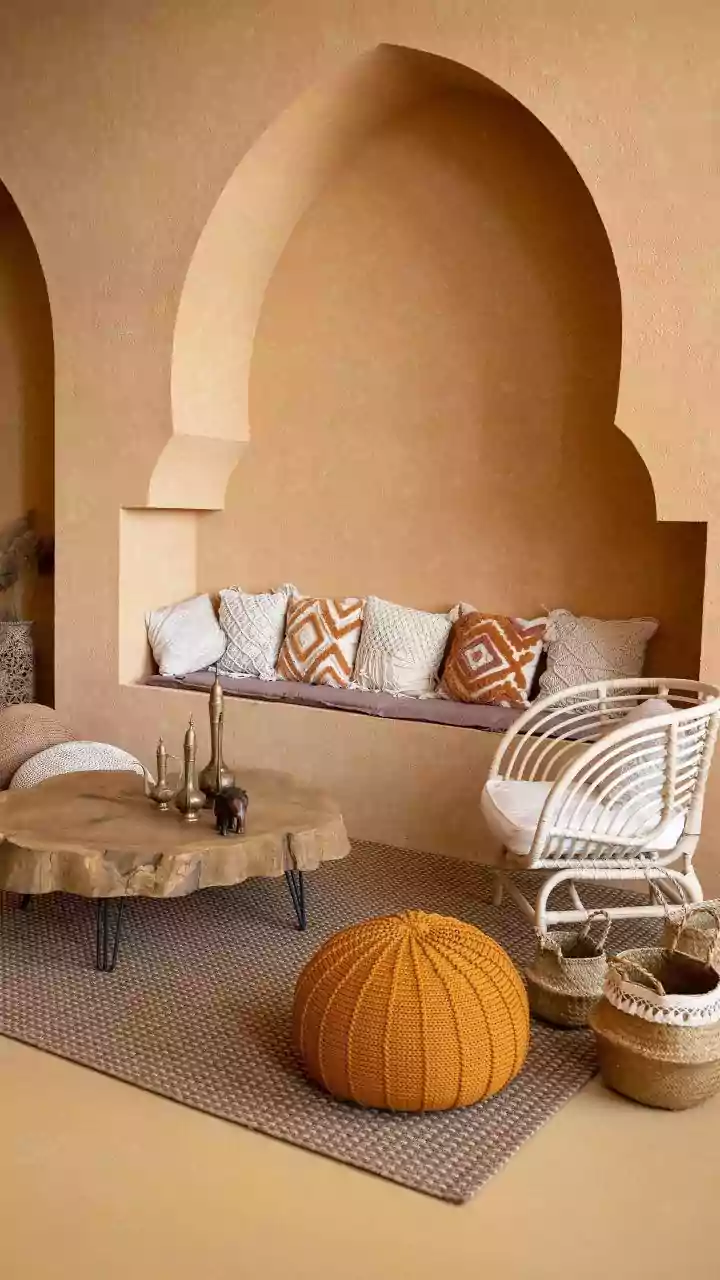
Here is where the Indian soul of the decor comes to life. While the overall palette is neutral, your textiles are where you can introduce colour and pattern. Instead of a riot of colours, choose one or two dominant accent hues, like a deep indigo, a warm saffron, or a rich emerald. A beautifully crafted Kantha quilt or a block-printed Ajrakh throw can be draped artfully over a simple linen duvet. Instead of a dozen cushions, choose two or four with high-quality covers, perhaps made from raw silk or featuring subtle Chikankari embroidery. A hand-knotted dhurrie or a jute rug by the bedside can add texture and warmth, grounding the space.
Furniture and Lighting: Form and Function
Keep furniture to a minimum. Every piece should have a clear purpose. Instead of a bulky wardrobe, consider a simple wooden clothing rail or a cabinet with clean lines. Bedside tables can be simple wooden blocks or minimalist floating shelves. This aligns with the Japanese principle of 'ma', appreciating the space between objects. For lighting, opt for soft, diffused light. A paper lantern (Akari-style) can provide a warm, ambient glow, while a beautifully crafted brass lamp from India can serve as a functional and sculptural bedside element. The goal is to create pools of soft light rather than a single, harsh overhead source.
Accessorise with Intention
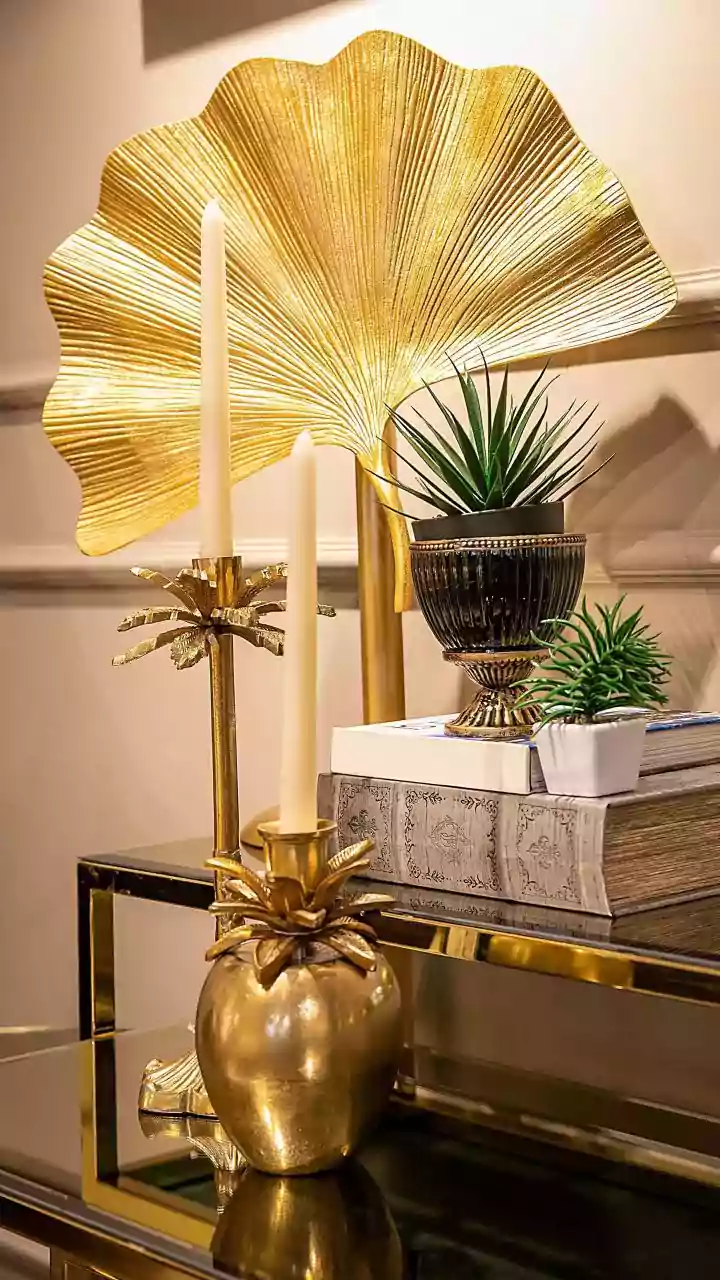
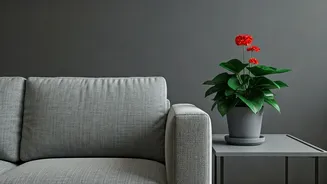
Clutter is the enemy of this style. Accessories should be few, but chosen with great care. This is where you can truly personalise your space. A single, elegant piece of pottery on a dresser, a small brass urli filled with water and floating petals, or a beautifully framed piece of Madhubani art can serve as a focal point. A single, large indoor plant in a simple terracotta pot brings life and a touch of nature indoors, a principle cherished in both cultures. Resist the urge to fill every surface. Each object should have room to breathe, allowing its beauty and story to be appreciated.