







A Revolution in Numbers
To grasp the scale of this change, consider the numbers. In August 2026, India's homegrown digital payment system, the Unified Payments Interface (UPI), processed a staggering 24.51 billion transactions. That’s not a typo. It's an ecosystem that now handles
billions of transactions every month, becoming the undisputed backbone of India's retail economy. The growth has been explosive. In its first full fiscal year (2016-17), UPI processed just 17.8 million transactions. By fiscal year 2025-26, that number had ballooned to over 241 billion. This isn't just about big e-commerce purchases; the data shows a massive rise in small, everyday payments, suggesting that digital is replacing cash for everything from groceries to a cup of tea.
The Secret Sauce: What Is UPI?
For an American audience, it’s helpful to think of UPI not as a single app like Venmo or Zelle, but as the rails that all payment apps run on. Developed by the National Payments Corporation of India (NPCI), a not-for-profit entity, UPI is an open, interoperable system. This means a person using Google Pay can instantly send money to someone using a rival app like PhonePe, or even their local bank's app, seamlessly. The system works 24/7 using a simple identifier, like a mobile number or a custom ID (e.g., yourname@bank), eliminating the need to share sensitive bank account details. It's fast, secure, and—crucially—free for consumers and most small merchants. This interoperability and zero-cost structure is a key difference from the more fragmented, fee-based digital payment landscape in the U.S.
The Government's Big Push
This transformation was no accident; it was a deliberate national strategy. The foundation was laid with initiatives like the Pradhan Mantri Jan Dhan Yojana, which brought hundreds of millions into the formal banking system, and the Aadhaar biometric ID system. But the real catalyst was the government's controversial 2016 demonetization, which instantly removed 86% of the cash from circulation. While the economic effects are debated, it undeniably forced millions of Indians to try digital payments for the first time. The government aggressively promoted UPI as the alternative, creating a powerful incentive for both consumers and merchants to adapt almost overnight.
From Street Carts to Supermarkets
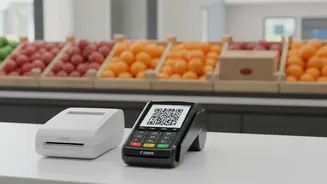
The most visible symbol of this change is the humble QR code. Laminated and taped to the counters of millions of tiny street-side stalls, neighborhood 'kirana' stores, and auto-rickshaws, the QR code has democratized digital payments. Before UPI, a small vendor could never afford the rental fees and transaction cuts associated with credit card machines. Now, they can accept digital payments with zero setup cost, and the money lands in their bank account instantly. This has not only boosted sales by removing the friction of needing exact change but has also provided small entrepreneurs with a formal transaction history, which can be used to access loans and other financial services for the first time.
The Road Ahead
The journey isn't without its challenges. The rapid growth has led to a surge in digital fraud and phishing scams, prompting regulatory bodies like the Reserve Bank of India to strengthen security measures. Issues of digital literacy, especially in rural areas, and gaps in internet connectivity remain persistent hurdles. There's also an ongoing debate about the long-term financial sustainability of the zero-fee model. Despite these issues, the momentum is undeniable. India is now exporting its UPI model to other countries, positioning it as a global blueprint for public digital infrastructure.