




The Surprising Culprit: Not All Citrus Is the Same
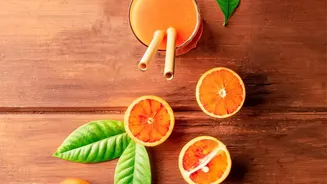
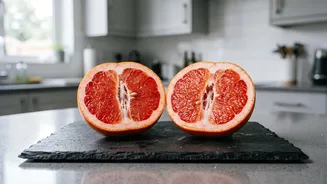
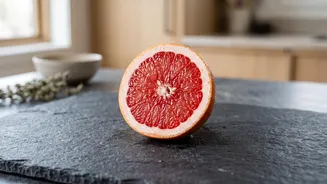
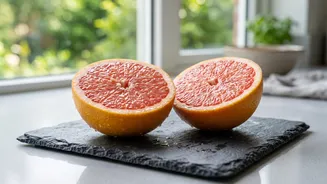
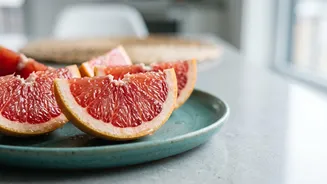
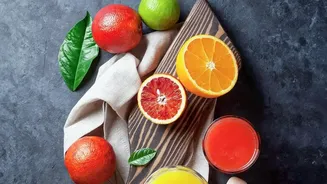
When we talk about citrus and medication, one fruit stands out as the primary offender: grapefruit. However, it’s not alone. Seville oranges (often used in marmalades), pomelos, and tangelos (a cross between a tangerine and grapefruit) can also cause
problems. These fruits contain natural compounds called furanocoumarins. It is these chemicals, not the vitamin C or the acidity, that are responsible for the interactions. On the other hand, common sweet oranges (like Navel or Valencia varieties), lemons, and limes do not contain significant amounts of these specific compounds and are generally considered safe to consume with most medications.
How Your Body Gets Confused
To understand the interaction, think of your small intestine as having a gatekeeper: an enzyme called CYP3A4. This enzyme's job is to break down, or metabolise, a large percentage of medications before they enter your bloodstream. This 'first pass' metabolism is factored into your prescribed dose. The furanocoumarins in grapefruit and similar citrus fruits block this gatekeeper enzyme. When CYP3A4 is inhibited, the medication isn't broken down as it should be. Consequently, a much larger amount of the drug enters your bloodstream than intended, which can lead to dangerously high levels, effectively turning a normal dose into an overdose. This increases the risk of serious side effects, such as muscle and kidney damage from statins or life-threatening heart rhythm problems. In some other cases, citrus can block transporters that help a drug get absorbed, leading to too little of the medication in your blood and making it less effective.
Timing Doesn't Solve the Problem
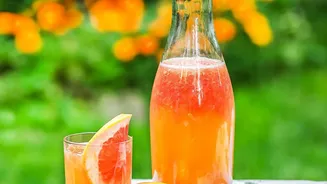
A common misconception is that you can simply separate your medication and your glass of juice by a few hours. Unfortunately, this is not an effective strategy. The effect of furanocoumarins is irreversible, meaning the enzyme is disabled until your body can produce new ones. The inhibitory effects of a single glass of grapefruit juice can begin within hours and last for up to three days. This means that a glass of juice in the morning can still significantly impact a medication taken in the evening or even the next day. For this reason, if your medication interacts with these fruits, healthcare professionals advise avoiding them entirely during your treatment period, not just spacing them apart.
Key Medications at Risk
The list of medications affected by this interaction is extensive and growing, with more than 85 drugs identified. It's crucial to check with your doctor or pharmacist about your specific prescriptions. Some of the most common categories include: certain statins used to lower cholesterol (like simvastatin and atorvastatin), some blood pressure medications (like nifedipine), anti-anxiety drugs (like buspirone), organ transplant rejection drugs, and even some antihistamines. The interaction can be particularly risky for older adults, who are more likely to take these medications and may be more vulnerable to their amplified effects. Given the wide range of affected drugs, professional guidance is essential.
Your Action Plan for Safe Medication
Ensuring your medication works as intended is paramount. The safest and simplest rule is to take your pills with a plain glass of water. Always read the patient information leaflet that comes with your medicine, as it will often include warnings about food and drink interactions. When you are prescribed a new medication, make it a habit to ask your doctor or pharmacist directly, 'Are there any foods or drinks I should avoid with this, including citrus?'. This simple question can prevent potentially serious complications and ensure you receive the full, intended therapeutic benefit from your treatment. Never assume a fruit is safe just because it is healthy. When it comes to medicine, what you drink can be as important as the pill you take.