



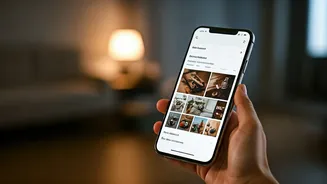




The Rise of Entertainment Commerce
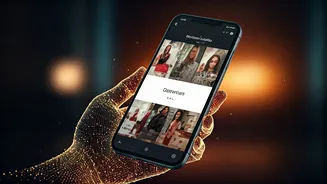
The line between entertainment and e-commerce has officially blurred. Instagram Reels, once a destination for dance challenges and comedy skits, has evolved into a powerful digital storefront. [19] Recent updates from parent company Meta have enabled
users to shop directly from these short-form videos through integrated product tags and affiliate links. [8] This transforms the user journey, closing the gap between discovering a product in a video and buying it. A recent study noted that Reels influences a staggering 47% of purchase decisions among surveyed Indian consumers. [10] This shift is part of a larger trend known as social commerce, which is projected to become a significant part of India's e-commerce market, growing from USD 8.9 Billion in 2025 to over USD 54 Billion by 2034. [6]
Why Short-Form Video Sells
The success of Reels as a shopping channel is rooted in its format. Short-form videos are perfectly suited to a world of dwindling attention spans, delivering information in quick, engaging bursts. [4, 26] Unlike polished brand advertisements, content on Reels often feels more authentic, especially when it comes from creators. [13] Brands and creators showcase products in real-world scenarios—through tutorials, behind-the-scenes content, or unboxing videos—building a sense of trust and relatability. [7, 31] According to a Meta-commissioned study, 81% of surveyed users discover products on the platform, and 66% use it for product consideration. [10] The platform’s algorithm also plays a key role, personalizing feeds to show users product-led content based on their viewing habits and shopping intent. [8]
The Creator Is the New Storefront
At the heart of this trend is the Indian creator. A joint report by Google and Deloitte projects that creator-led commerce will contribute about $25 billion to India's e-commerce value by 2030. [5] Creators are no longer just influencers driving awareness; they are becoming direct sales channels. [21, 23] Their recommendations are highly trusted, with 63% of shoppers relying on influencers for product information. [5] When a creator demonstrates a product, they are spending the trust capital they've built with their audience, which makes the recommendation highly effective. [21] This is particularly powerful in Tier 2 and Tier 3 cities, where regional creators making content in local languages are onboarding new shoppers who may not have trusted traditional English-language advertising. [21, 17] Instagram has fueled this by allowing creators to add trackable product links to their Reels, earning a commission on sales and creating a direct financial incentive. [8, 22]
A Seamless Path from Scroll to Purchase
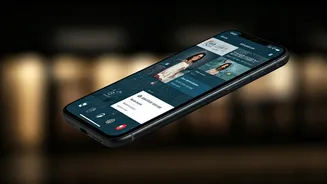
The genius of shopping on Reels lies in its seamless integration. Features like product tags and in-app shopping functionalities are designed to reduce friction, turning a passive viewer into an active buyer with just a few taps. [7] Before these integrations, customers had to navigate away from the app using a "link in bio," a clunky process that led to lost sales. [2, 8] Now, a user can see a product in a Reel, tap a "View Products" button, see its details, and proceed to the seller's website to complete the purchase, often without feeling like they've left the Instagram environment. [8] This frictionless experience capitalises on the impulse-buy nature of social media discovery, converting interest into a sale before the moment passes. [29]
The Future: Deeper Integration and Broader Reach
The trend of shopping through Reels is set to accelerate. India’s social commerce market is expanding rapidly, fueled by increasing smartphone penetration and digital payments. [3] Major e-commerce players like Myntra and Meesho are already integrating creators deeply into their business models. [23] As platforms continue to innovate with features like live shopping and even more advanced AI-driven personalization, the experience will only become more immersive and effective. [16, 19] For brands, the message is clear: the digital mall is no longer a separate website. It's inside the social media feeds where their customers are already spending their time. [29] And for consumers, the daily scroll is now an endless aisle of discovery, with the next great purchase just a video away.