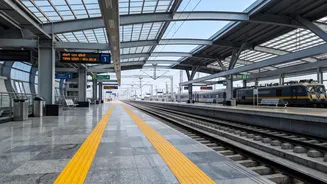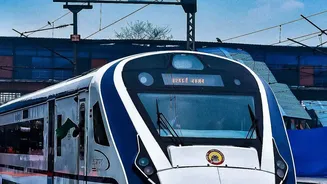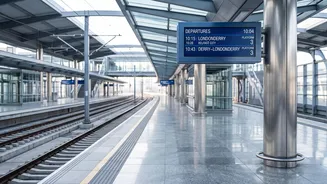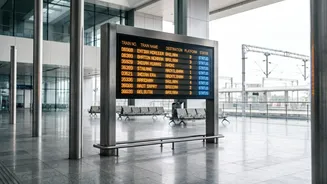




The joyous festival of Diwali brings with it one of India's largest annual migrations, as millions travel home by train. To ensure passenger safety amidst the massive rush, Indian Railways implements several key crowd control measures.
Railways' Strategy: Special Trains and Platform Control
To manage the extraordinary
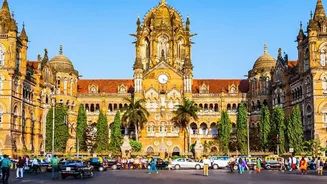
demand, Indian Railways typically announces thousands of special train services across its network, especially on high-density routes connecting major cities with destinations in Uttar Pradesh, Bihar, West Bengal, and other states. For 2026, a similar rollout is expected, featuring both reserved and unreserved special trains to clear the festive rush. A primary crowd control tactic is restricting the sale of platform tickets at major junctions like New Delhi, Mumbai, Pune, and Ahmedabad for a specific period during the festival. This measure is designed to reduce the number of non-passengers on platforms, thereby easing congestion and ensuring smoother movement for those boarding or alighting from trains. Exemptions are usually made for those assisting the elderly, sick, or passengers with special needs.
Enhanced Security and Station Management
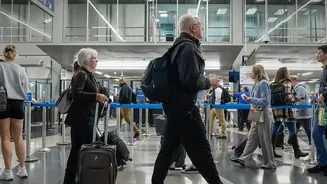
The Railway Protection Force (RPF) and Government Railway Police (GRP) are deployed in significantly higher numbers at busy stations. Their presence is concentrated at critical points like foot-over-bridges, platforms, and entry/exit gates to maintain order and prevent stampede-like situations. Many major stations also set up temporary 'holding areas' or pandals outside the main building. These zones are equipped with basic amenities and help regulate the flow of people, allowing passengers to enter platforms in organized queues only when their train is scheduled to arrive. This system is supported by round-the-clock CCTV surveillance to monitor crowd density in real-time and dispatch response teams if any area becomes dangerously congested.
Before You Travel: Planning is Key
A safe journey begins with smart planning. Given the high demand, it is crucial to book tickets well in advance. Rely only on confirmed tickets; if you have a waitlisted ticket, check its final status before heading to the station to avoid disappointment. Packing light is highly recommended, as navigating crowded spaces with heavy luggage can be extremely difficult. Keep your valuables, mobile phone, and tickets in a secure, easily accessible bag. Finally, check the PNR status and your coach position before you leave home. Arriving at the station at least two to three hours before your train's departure is advisable to navigate the heavy traffic and security queues without stress.
At the Station and Onboard: A Passenger's Guide
Once at the station, follow all public announcements and instructions from railway staff and security personnel. Use designated queues and avoid rushing towards the train, especially near general-class coaches where crowding is most intense. One of the most critical safety rules is the strict prohibition on carrying inflammable items like firecrackers, kerosene, or gas cylinders. Such materials pose a severe fire hazard and are illegal to carry on trains. While onboard, secure your luggage under the seat or with a chain if possible. Be cautious of food offered by strangers and rely on authorised vendors or pre-booked meals. Keep emergency numbers like the Railway Helpline (139) handy. Traveling with children requires extra vigilance, so ensure they are always accompanied.