



The Sun’s Hidden Temper
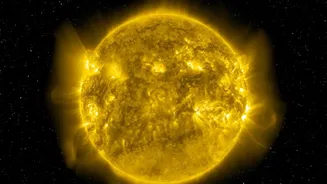
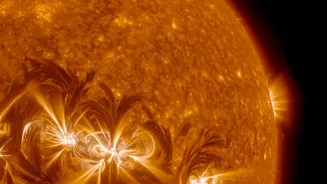
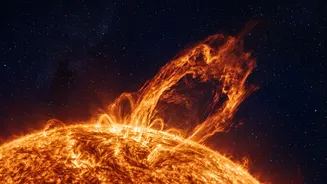
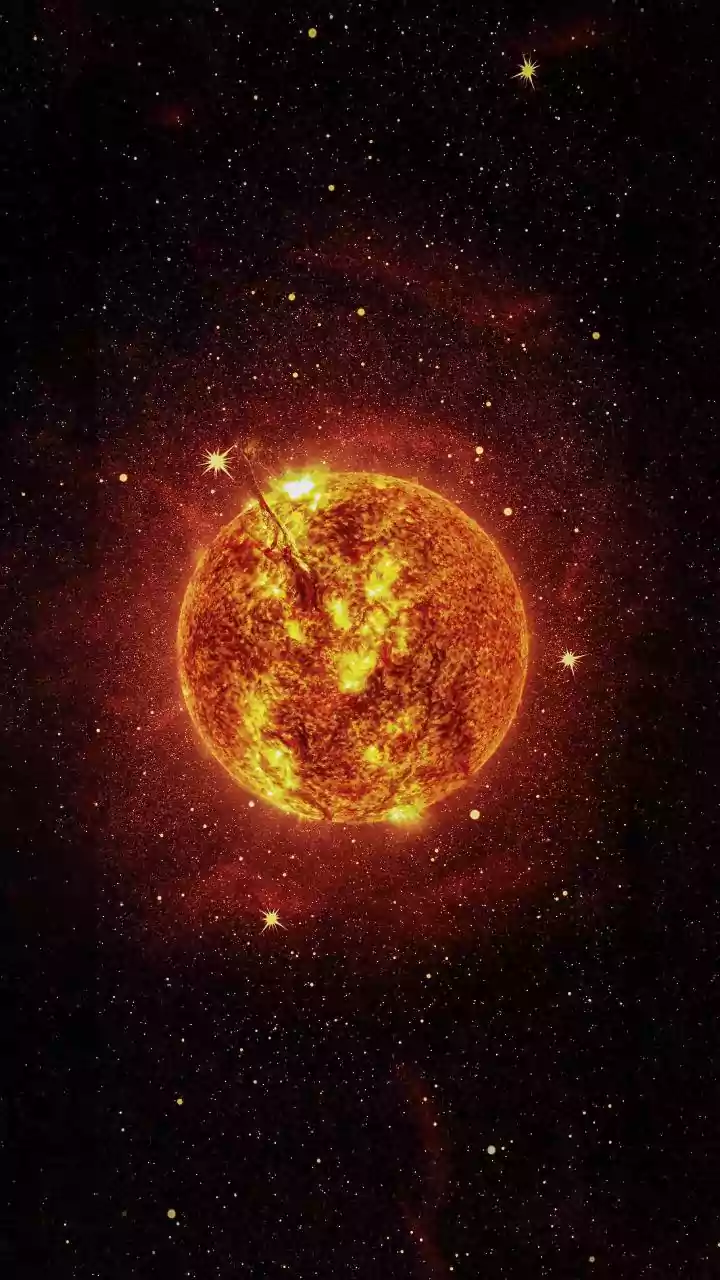
The Sun, our life-giving star, has a volatile side. It constantly releases a stream of charged particles called the solar wind. Occasionally, it unleashes much larger eruptions of energy and matter known as solar flares and coronal mass ejections (CMEs).
When these eruptions are aimed at Earth, they can cause geomagnetic storms—major disturbances in our planet's magnetic field. For most of us on the ground, the effects are minimal, perhaps resulting in beautiful auroras. But for satellites in orbit, the consequences can be severe. This “space weather” can degrade solar panels, damage sensitive electronics, and even increase atmospheric drag, causing satellites to lose altitude and potentially fall out of orbit. In a worst-case scenario, a powerful storm could disable or destroy the satellites that power our global communications and navigation systems.
An AI Shield Called DAGGER
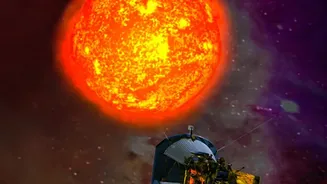
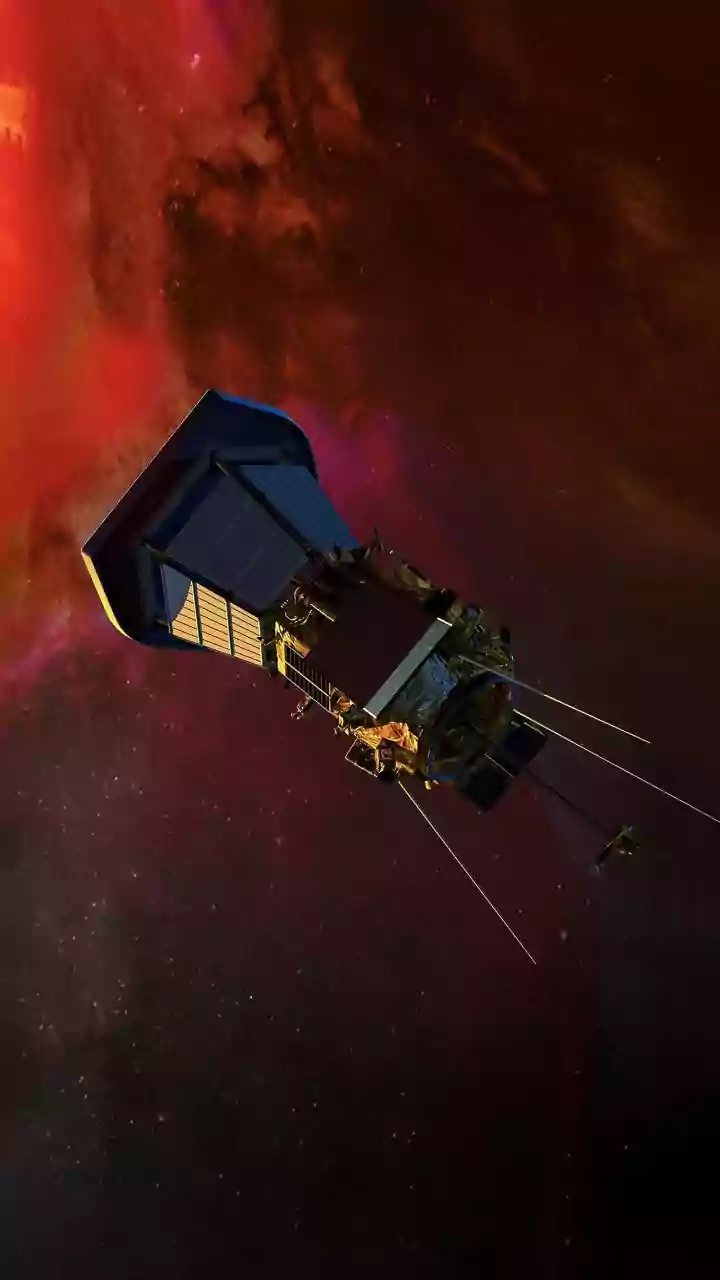
Until now, predicting the specific, on-the-ground impact of a solar storm has been a slow and imprecise science. Existing models could provide a general warning that a storm was coming, but pinpointing where and when the effects would be felt was a major challenge. Enter DAGGER, a new artificial intelligence model developed through a partnership with NASA. Formally known as Deep Learning Geomagnetic Perturbation, DAGGER uses AI to analyse real-time data from spacecraft that monitor the solar wind. By training on vast amounts of historical data from past solar storms and their effects on Earth, the AI has learned to identify the complex patterns that precede a geomagnetic disturbance.
From Days to Minutes
The true breakthrough of DAGGER is its speed. Where previous models could take days or hours running on supercomputers to produce a forecast, DAGGER can generate a specific, global prediction in less than a second. It provides a crucial 30-minute advance warning before the storm's impact is felt at a specific location on Earth. This 30-minute window is possible because the AI analyzes satellite data of the solar wind, which travels slower than the light-speed radio signals used to send the data back to Earth. This lead time, while short, is transformative. It acts like a tornado siren for space weather, shifting the approach from post-storm recovery to proactive preparation.
A Game-Changer for Critical Infrastructure
So, what can be done in 30 minutes? For satellite operators, it's enough time to take critical protective measures. They can command satellites to enter a protective “safe mode,” temporarily shutting down vulnerable electronic systems to prevent them from being fried by charged particles. They can also reorient satellites to protect sensitive components or even adjust their orbits slightly to minimize drag. Beyond satellites, this warning system is vital for ground-based infrastructure. Power grid operators can get a heads-up to re-route power and protect high-voltage transformers, which can be damaged by geomagnetically induced currents, potentially preventing widespread blackouts like those seen in the past.
Why This Matters for India
For a nation as digitally ambitious as India, this technology is particularly significant. Our reliance on satellite technology is immense and growing. From the Digital India initiative and UPI payments that rely on stable communication networks, to farmers using GPS for precision agriculture and the military's dependence on satellite navigation and surveillance, the backbone of modern India is increasingly in orbit. As ISRO continues to expand India's own satellite constellations, protecting these high-value national assets becomes a paramount concern. An early warning system like DAGGER offers a layer of insurance, helping to safeguard the infrastructure that will power India's economic and technological future. It ensures that as our dependence on space grows, so does our ability to manage its inherent risks.