






The High Cost of Seasonality
Tourism is a major contributor to economies worldwide, and in India, it supports millions of jobs. However, many destinations are heavily reliant on seasonal tourism, dictated by weather, holidays, or school vacations. This leads to what economists call
seasonality—a predictable fluctuation in tourist numbers. During peak season, businesses thrive and jobs are plentiful. But when the crowds leave, the economic engine sputters. Workers who depend on tourism, especially in hospitality and retail, often face temporary contracts and an uncertain future, leading to income instability and unemployment during the low season. This cycle makes it difficult for employees to plan financially and can hinder long-term community development. Infrastructure like hotels and transport, built to handle peak crowds, becomes underutilized, representing a significant and inefficient cost for local authorities and businesses.
The Shift to a Four-Season Strategy
To counter the effects of seasonality, a growing number of destinations are embracing a year-round model. The strategy is simple in theory: diversify offerings to attract visitors outside of the traditional peak months. This means moving beyond the primary attraction, whether it's a beach in summer or a ski slope in winter. Successful destinations are developing a portfolio of experiences that appeal to different interests throughout the year. Examples include promoting cultural festivals, food and wine tours, wellness and spiritual retreats, business conferences, and adventure sports like hiking or rafting in what was once the off-season. By creating reasons to visit in every season, destinations can smooth out demand, ensuring a more consistent flow of visitors and revenue.
From Seasonal Hotspot to Year-Round Destination
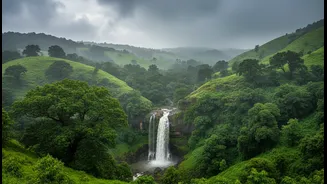
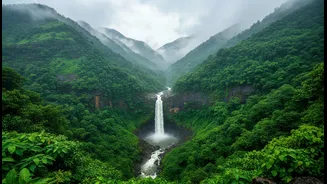
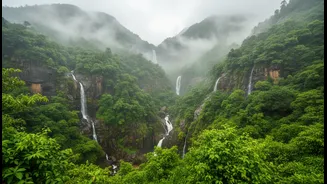
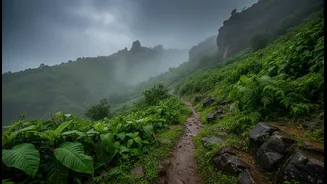
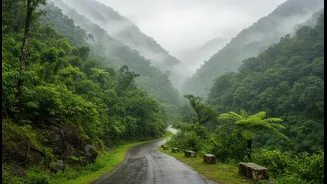
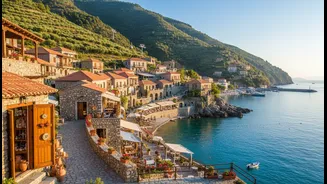
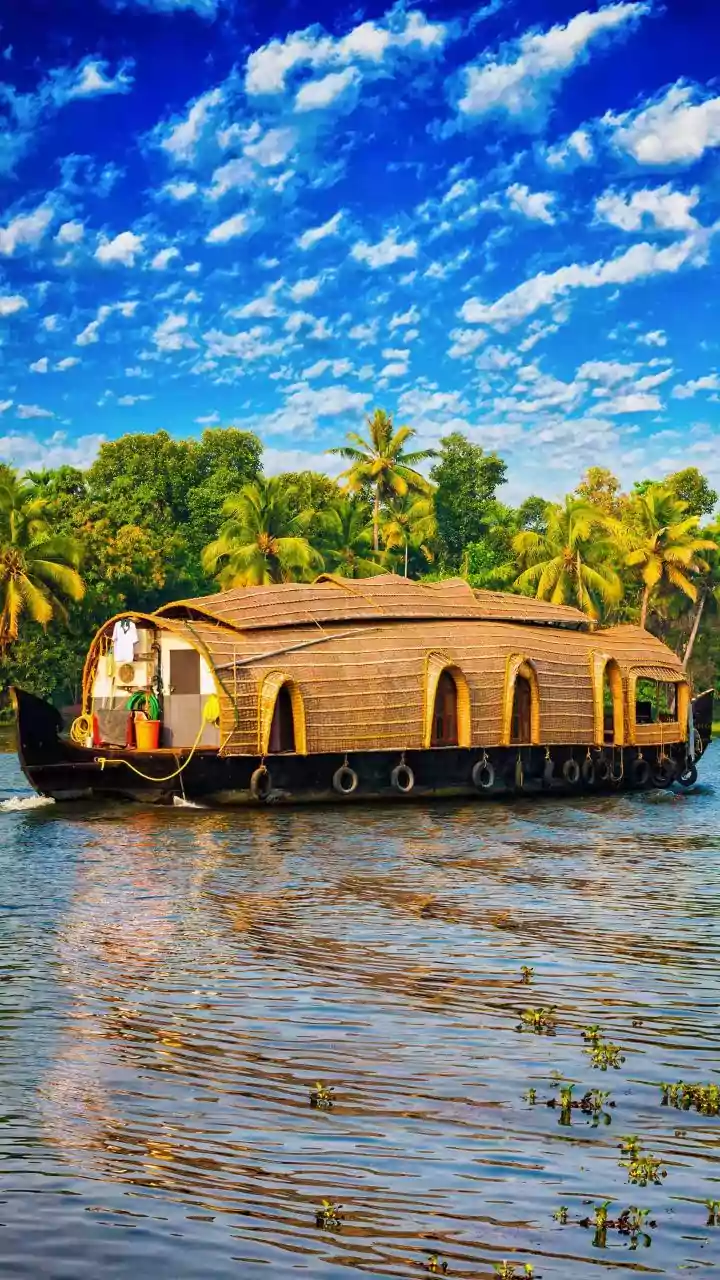
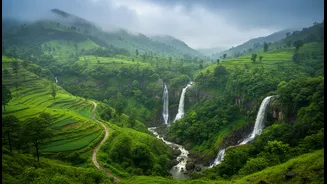
Many places have successfully made this transition. For example, ski resorts that were once ghost towns in summer now attract mountain bikers and hikers. Coastal towns in the Caribbean, traditionally winter sun destinations, have begun promoting long-term stays and leveraging local markets to prove their appeal beyond the busy season. In India, states like Kerala are actively promoting monsoon tourism, marketing the lush landscapes and Ayurveda wellness packages as a unique, premium experience rather than a low-priority travel window. Similarly, the promotion of festivals, from large-scale events like the Kumbh Mela to smaller, local celebrations, can generate significant visitor numbers and temporary jobs during otherwise quiet periods.
The Ripple Effect on Livelihoods and Communities
The benefits of a year-round tourism economy extend far beyond hotels and tour operators. Stable, full-time employment provides workers with the security to invest in their families, education, and futures. This, in turn, strengthens the entire local economy. When tourism provides consistent revenue, there is a greater incentive for both public and private investment in infrastructure like roads, sanitation, and digital connectivity, which benefits residents as well as visitors. A steady stream of visitors supports a wider range of local businesses, from restaurants and artisans to transport providers and farmers supplying the hospitality sector. This creates a resilient economic ecosystem where communities are not just surviving the off-season but are thriving throughout the year.
The Path Forward: Policy, Planning, and Promotion
Transitioning to a year-round model requires a concerted effort from tourism boards, local governments, and private businesses. Effective policy and strategic planning are essential. This includes investing in infrastructure, providing training and skill development for the tourism workforce, and offering incentives for businesses that develop off-season attractions. Smart, targeted marketing is also crucial to change perceptions and inform potential visitors about what a destination has to offer in the spring, autumn, or monsoon season. By collaborating and promoting a destination as a place for all seasons, stakeholders can build a more sustainable and equitable tourism industry that serves as a reliable engine for job creation and community prosperity.