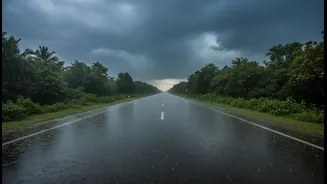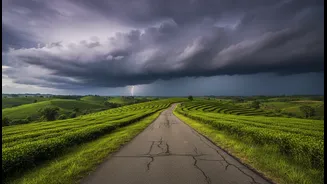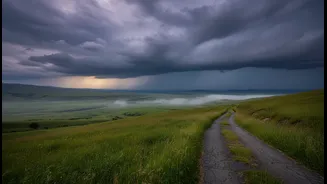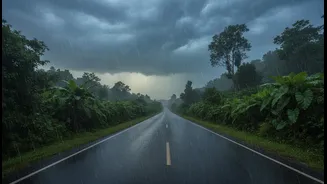







The Monsoon We Knew
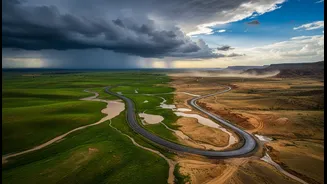
For generations, the Indian monsoon followed a relatively dependable script. It arrived on the Kerala coast around June 1, progressed steadily across the subcontinent, and provided four months of life-giving rain before retreating. Travel was planned
around this rhythm. The lush Western Ghats, the serene backwaters of Kerala, and the romantic lake city of Udaipur were classic monsoon getaways. Travellers knew what to expect: consistent, moderate rainfall that transformed the country into a verdant paradise, with certain high-altitude Himalayan regions best avoided due to access issues. This predictability formed the bedrock of India’s seasonal tourism calendar, allowing for confident planning months in advance.
The New Reality: Intense, Erratic, and Unpredictable
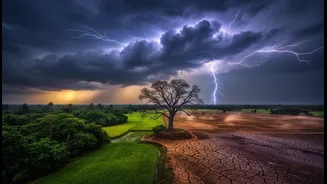
The character of the monsoon has fundamentally changed. Scientists and meteorologists now observe a clear and worrying trend: the monsoon is becoming more erratic. Instead of weeks of steady drizzle, the new pattern is marked by long dry spells punctuated by short, extremely intense bursts of rainfall. This leads to a dangerous combination of drought-like conditions and sudden, severe flooding. A delayed onset might be followed by a deluge that delivers a month's worth of rain in just a few days. This increased variability is linked to a warming Arabian Sea, which loads the atmosphere with excess moisture, and broader climate phenomena like El Niño. For travellers, this means the old certainties are gone; a destination that was safe last year might be a high-risk zone this year.
Hotspots of Change: Where to Be Cautious
While the entire country is affected, some regions are experiencing more dramatic shifts. The Himalayan states of Himachal Pradesh and Uttarakhand are now highly susceptible to catastrophic landslides and flash floods triggered by intense rainfall, making travel during peak monsoon increasingly hazardous. In recent years, roads to popular destinations like Manali and Gangotri have been repeatedly blocked, stranding tourists. The Western Ghats, including popular spots like Lonavala and Munnar, are also seeing a higher frequency of landslides. Even urban centres are not immune, with cities like Mumbai and Delhi experiencing severe waterlogging that brings traffic to a standstill. The India Meteorological Department (IMD) now frequently issues warnings for multiple states, advising caution due to the risk of flooding and infrastructure damage.
Your New Monsoon Travel Checklist
Adapting to the new monsoon reality is key for safe and enjoyable travel. Your planning process needs to be more dynamic and responsive.
1. Monitor short-term forecasts: Instead of relying on historical patterns, check the IMD's district-level warnings 24-48 hours before and during your trip.
2. Book flexible travel: Opt for hotels and flights that allow for last-minute changes or cancellations. Avoid rigid, pre-paid itineraries, especially for road trips in hilly areas.
3. Prioritise infrastructure: Choose destinations with robust, well-maintained roads and reliable connectivity. Safer alternatives often exist for high-risk spots; consider Lonavala over Manali or the Kerala backwaters over the fragile Darjeeling hills during heavy rain alerts.
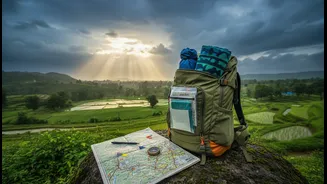
4. Pack for extremes: Your packing list should now include gear for both intense rain (waterproof everything) and unexpected sunny days. Also carry a power bank, first-aid kit, and extra supplies in case of delays.
5. Avoid risky behaviour: Do not attempt to cross flooded roads or streams, and stay away from landslide-prone slopes and overflowing waterfalls, no matter how tempting the photo opportunity.
Emerging Monsoon Havens and Safer Bets
As some traditional destinations become riskier, others are emerging as smarter monsoon choices. Rain-shadow regions, which receive significantly less rainfall, are becoming prime attractions. Ladakh and Spiti Valley in Himalayas remain dry and are at their most accessible during these months. Parts of Rajasthan like Udaipur and Mount Abu experience pleasant, light showers that settle the dust and bring the lakes to life without the risk of major flooding. Well-managed destinations in the Nilgiris like Ooty and Coonoor, and specific zones in the Western Ghats like Coorg and Chikmagalur, can still be magical, provided you travel with caution and avoid the most intense periods of rain. The key is choosing places with good infrastructure that can handle the rainfall they receive.