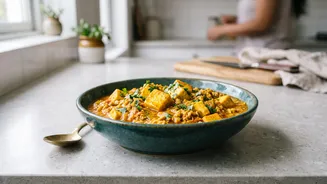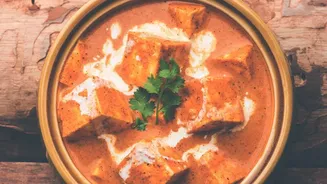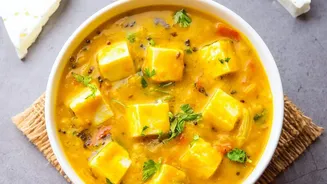



Dive into the heart of Gujarati street food with Paneer Ghotala. This gloriously messy, spicy, and satisfying dish is a vegetarian delight that promises a burst of flavour in every bite, perfect for recreating in your own kitchen.
What Exactly Is Paneer Ghotala?
The name itself offers
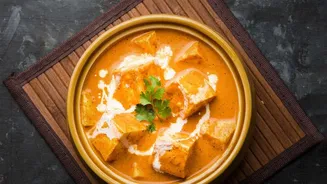
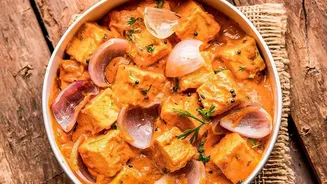
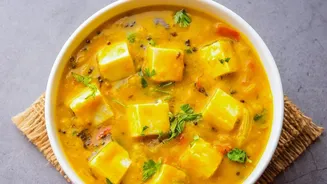
a clue to the dish's character. In Hindi, 'ghotala' translates to 'mess' or 'scam', which perfectly describes the final appearance of this beloved street food. It’s a chaotic, scrambled mix of ingredients that come together to create something truly special. Originating from the bustling food lanes of Surat in Gujarat, Paneer Ghotala is the vegetarian sibling of the equally famous Anda (egg) Ghotala. It’s a rich and buttery curry where soft paneer is mashed into a spicy onion-tomato masala, creating a thick, scoopable gravy that has become a favourite at late-night food stalls. The texture is somewhere between a classic paneer bhurji and a hearty pav bhaji, but with its own distinct identity.
The Core Components: Paneer and Vegetables
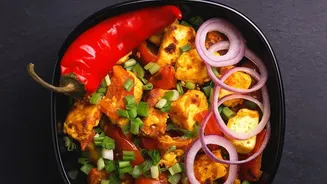
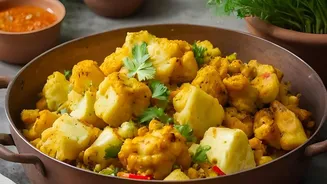
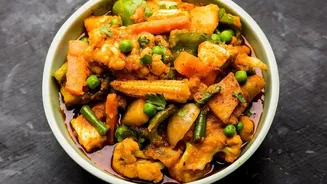
At its heart, this dish is a celebration of paneer. For the best texture, using fresh, soft paneer is key. Most recipes call for grating or crumbling the paneer, which allows it to meld beautifully with the gravy. Some variations even use a mix of grated, crumbled, and cubed paneer to create multiple textures in one bite. The vegetable base is simple yet crucial. It typically consists of finely chopped onions, tomatoes, and often capsicum, which form the foundation of the gravy. For an authentic 'Surti' flavour, some vendors add green garlic, which imparts a unique, pungent aroma. The key is to cook the vegetables down until they are soft and mushy, forming a cohesive and flavourful base for the paneer.
The All-Important Spice Mix
The magic of street food often lies in its secret spice blends, and Paneer Ghotala is no exception. While standard Indian spices like turmeric, red chilli powder, and coriander powder are essential, the ingredient that truly defines its street-style taste is pav bhaji masala. This ready-made spice mix brings a complex, tangy, and robust flavour that is difficult to replicate with individual spices alone. Many recipes also call for ginger-garlic paste, green chillies for heat, and a touch of kasuri methi (dried fenugreek leaves) for a fragrant finish. Some cooks also add a small amount of tomato ketchup or amchur (dry mango powder) to balance the spice with a hint of tanginess.
Mastering the 'Ghotala' Technique
The technique is what sets this dish apart. It starts by creating a base masala, sautéing onions, ginger, garlic, and tomatoes in a generous amount of butter and oil. Once the spices are added and cooked until aromatic, the grated paneer is mixed in. The crucial step is to then mash the mixture directly in the pan with a potato masher or the back of a spoon. This 'ghotala' process breaks down the paneer and vegetables, ensuring all the flavours merge into a harmonious, thick gravy. A splash of water or milk can be added to achieve the desired semi-thick consistency. For an extra layer of richness, many recipes finish the dish with a generous dollop of butter and grated processed cheese, which melts into the hot gravy.
How to Serve It Street-Style
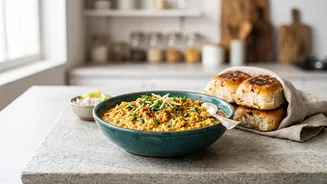
Paneer Ghotala is best enjoyed the way it's served on the streets: with soft, buttery pav. The ladi pav are typically sliced, slathered with butter, sprinkled with a bit of pav bhaji masala, and toasted on a tawa until golden and slightly crisp. This buttery, spiced bread is the perfect vehicle for scooping up the rich, messy paneer gravy. The dish is often garnished with fresh coriander, more grated cheese, and sometimes a side of crisp, raw onions to provide a refreshing crunch. While pav is the classic pairing, this versatile dish also tastes fantastic with naan, roti, or even dosa.