






As winter's chill sets in, the allure of a long, steaming hot shower is hard to resist. But that temporary comfort may be the primary culprit behind your dry, itchy, and uncomfortable skin. Here’s why you need to turn the temperature down.
Why Winter Is Harsh on Your Skin
Winter weather
creates a perfect storm for skin dryness. The combination of cold outdoor air, which holds less moisture, and dry indoor heating systems works together to pull hydration directly from your skin. This process, known as transepidermal water loss, weakens your skin's natural protective barrier. This barrier, called the stratum corneum, is a wall of skin cells and natural lipids (like ceramides and fatty acids) that is designed to keep moisture in and irritants out. When this barrier is compromised by the dry winter environment, it can lead to tightness, flaking, redness, and itching. For those with conditions like eczema or psoriasis, this time of year can often trigger significant flare-ups.
The Damaging Effects of Hot Water
A hot shower acts like a degreaser, stripping away the natural oils, or sebum, that are essential for keeping your skin moisturised and protected. This lipid layer is a crucial part of the skin barrier, and hot water effectively melts it away, allowing it to be washed down the drain. This disruption leads to increased dryness and can cause inflammation, making skin red and sensitive. For many people in India, especially in northern regions during winter, the habit of using a very hot geyser contributes significantly to this problem. The damage is two-fold: the dry winter air is already drawing moisture out, and a hot shower aggressively removes the very oils your skin needs to defend itself.
The Ideal Way to Shower in Winter
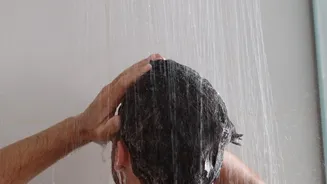
The key is to find a balance between comfort and skin health. Dermatologists recommend showering in lukewarm water, ideally between 37°C and 41°C. If your skin turns red or the bathroom fills with steam, the water is too hot. It's also crucial to limit your shower time to about 5 to 10 minutes. Prolonged exposure to water, even at a mild temperature, can contribute to dryness. When cleansing, opt for gentle, hydrating, and fragrance-free cleansers instead of harsh, alkaline soaps that can further strip the skin. Look for cream-based or oil-based washes that leave your skin feeling soft, not 'squeaky clean', which is often a sign that your skin barrier has been stripped.
Post-Shower Care Is Non-Negotiable
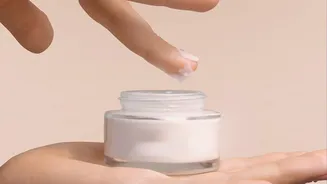
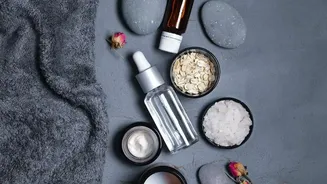
What you do after your shower is just as important as the shower itself. The most critical step is to moisturise immediately—within a few minutes of patting your skin dry. Applying moisturiser to slightly damp skin helps to lock in hydration. During winter, your lightweight summer lotion might not be enough. Switch to a thicker, richer cream or ointment. Look for products containing ingredients that repair and support the skin barrier. Key ingredients include ceramides (which act like the 'mortar' between skin cells), humectants like hyaluronic acid and glycerin (which draw moisture into the skin), and occlusives like shea butter, squalane, or petrolatum (which create a protective seal).
Building a Complete Winter Skin Routine
Beyond the shower, several other habits can protect your skin. Using a humidifier indoors can add moisture back into the air, combating the drying effects of heaters. Staying hydrated by drinking enough water throughout the day also supports skin health from the inside out. Protect exposed skin from cold winds by wearing scarves and gloves. And don't forget sunscreen; UV radiation can still damage your skin barrier, even on cold, cloudy days. Finally, pay special attention to areas prone to extreme dryness like your hands, feet, and lips by applying balms and creams frequently.