




That incredible, citrusy aroma is the first thing you notice. Lemongrass has the power to transform a simple vegetable dish into something truly special, but its woody stalk can be intimidating. Here’s how to unlock its fragrant potential.
Get to Know Your Lemongrass
Lemongrass is
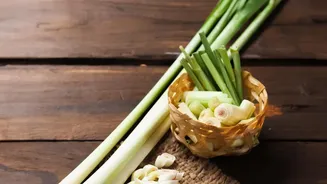
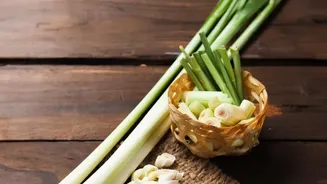
a cornerstone of Southeast Asian cuisine, prized for its clean, floral-citrus perfume that doesn't carry the sharp acidity of a lemon. You can find it in a few forms. Fresh stalks are firm and fragrant; they should feel heavy for their size, not light and dry. You can also find pre-chopped frozen lemongrass, or convenient lemongrass paste in a jar, which is made from puréed stalks and is excellent for marinades, stir-fries, and curries. While paste is a great time-saver, learning to handle fresh stalks gives you the most vibrant flavour and versatility.
How to Prepare Fresh Lemongrass
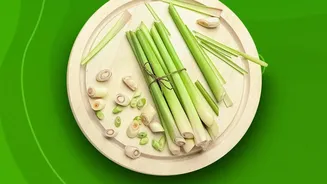
Preparing a fresh stalk is simple once you know which parts to use. A stalk has three sections: the tough, woody green top; the pale, tender lower stalk; and the hard root at the very bottom. For most vegetable dishes where you want an edible texture, you'll use the tender lower part. Start by trimming off the root base and the upper green, fibrous leaves. Peel away one or two of the tough outer layers until you reach the more tender core. From here, you have two main options. For soups and broths, you can simply bash the stalk with the back of a knife to release its aromatic oils and toss it in whole, removing it before serving. For stir-fries, curries, and marinades where the lemongrass will be eaten, you need to mince it very finely or pound it into a paste to avoid a stringy texture. Slicing very thinly against the grain is key.
Perfect Vegetable and Tofu Pairings
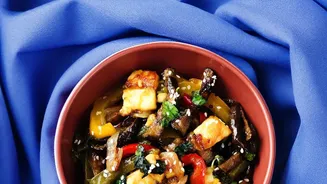
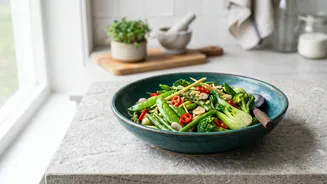
Lemongrass has a natural affinity for many vegetables and plant-based proteins. Its zesty notes cut through richness and brighten earthy flavours. It's a classic partner for firm tofu, which readily absorbs the flavours of a lemongrass-infused marinade or curry sauce. When it comes to vegetables, think about texture and flavour. Carrots, bell peppers, broccoli, and green beans are fantastic in stir-fries and curries, providing a sweet, crisp contrast. Mushrooms, especially shiitake or cremini, add an earthy depth that complements lemongrass well. Leafy greens like bok choy also wilt beautifully into lemongrass-scented broths.
Cooking Techniques to Make It Shine
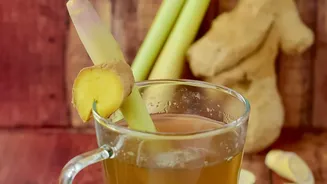
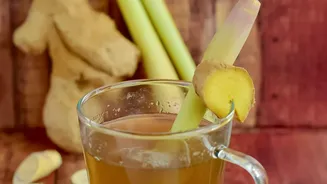
How you cook with lemongrass affects the final flavour. In stir_fries, frying minced lemongrass in oil for a minute or two at the beginning of cooking helps to bloom its flavour, creating an aromatic base before you add vegetables or tofu. In soups and curries, the approach is different. Simmering bruised stalks in coconut milk or vegetable broth allows their flavour to gently infuse the entire dish. This technique is central to famous Thai soups like Tom Kha. Another fantastic method is to create a marinade. Blending minced lemongrass with garlic, ginger, a little sugar, and soy sauce creates a potent mixture perfect for marinating tofu before grilling or pan_frying it.
Simple Vegetarian Meal Ideas
You don't need a complex recipe to start. For a quick weeknight curry, start by frying lemongrass paste with garlic and ginger, then add a can of coconut milk and a spoon of curry powder. Let it simmer before adding your favourite vegetables like broccoli and carrots, along with some cubed tofu or chickpeas. For a vibrant stirfry, create a sauce with minced lemongrass, soy sauce, lime juice, and a touch of chilli. Sauté your vegetables and pour the sauce over at the end, tossing to coat everything. You can even make a simple, fragrant broth for noodles by simmering bruised lemongrass stalks in vegetable stock with ginger and garlic, then straining it before serving.