




The Appeal and the Pitfall
Whether it’s a subscription service or a pre-packed selection at your local market, produce boxes are an increasingly popular way to stock the kitchen. They can introduce you to new vegetables, support local growers, and streamline your shopping. However,
the convenience can quickly turn into a challenge. A box filled with unfamiliar items or produce that spoils quickly can become a source of guilt as you watch your best intentions wilt in the crisper drawer. The goal is to find a box that complements your lifestyle, not one that adds another chore to your list. The secret lies in shifting your mindset from passive acceptance to active selection, ensuring what you bring home is set up for success from the start.
Prioritise Visibility: Know What You're Getting
The first rule of a “use-first” produce box is to eliminate as much mystery as possible. While a surprise can be fun, it’s a gamble when it comes to weekly meal planning. Before committing, check if the service or store allows you to see the contents. Many Community Supported Agriculture (CSA) programs and subscription services now provide a projected list of what will be in the box each week, sometimes even allowing for swaps. This visibility is crucial. It lets you mentally plan meals, avoid buying duplicates at the grocery store, and assess whether the contents align with your tastes. If you’re grabbing a box at a physical store, opt for one with clear packaging or an open top. A quick glance can tell you if it’s packed with sturdy root vegetables or delicate, time-sensitive greens.
Beware the 'Danger Zone' Vegetables
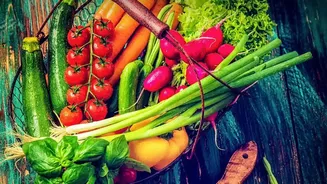
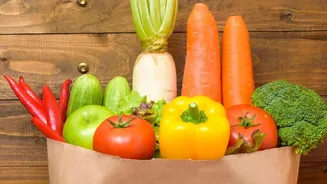
Not all vegetables are created equal in terms of shelf life. Some produce requires immediate attention, falling into what can be called the “danger zone.” These are the delicate items that wilt, soften, or lose their vibrancy within just a few days. This category includes most leafy greens like spinach and arugula, fresh herbs like cilantro and basil, asparagus, mushrooms, and summer squashes. A box heavily skewed towards these items is a race against time. Unless you have a specific plan to use them immediately—like making a big salad, soup, or pesto—you risk them spoiling. When assessing a box, look for a healthy balance. Sturdy vegetables like potatoes, onions, carrots, and winter squash provide a valuable buffer, as they can last for weeks when stored properly. This allows you to eat through the delicate items first without feeling overwhelmed.
Plan Your Grocery Run in Reverse
One of the most effective strategies for using your entire produce box is to change your shopping sequence. Instead of going to the grocery store with a full list and then grabbing a produce box on a whim, get the box first. Once you know exactly what vegetables and fruits you have, you can build your grocery list around them. This “reverse grocery run” ensures you’re buying ingredients to complete meals, not creating redundancies. If your box gives you potatoes, carrots, and onions, you know you just need a protein for a stew. If you get a bundle of kale and some lemons, perhaps you’ll grab some parmesan and pasta. This approach puts your produce box at the center of your meal planning, making it the foundation of your week’s cooking rather than an afterthought.
Implement a 'First In, First Out' Kitchen Strategy
Once the box is home, your work has just begun. The key to avoiding waste is immediate and strategic action. First, sort the contents. Separate the delicate, short-shelf-life items from the hardier ones. Give your leafy greens and herbs a good wash, dry them thoroughly, and store them in a way that preserves their crispness, such as wrapped in a damp paper towel inside a bag. Then, make a plan to use those delicate items within the first two or three days. This might mean having a salad-heavy start to the week or making a big batch of roasted vegetables to use in different meals. By prioritising the most perishable produce, you give yourself breathing room to use the more durable items like root vegetables and squashes later in the week, ensuring everything gets eaten.