




The Visa Hurdle Disappears
For years, the biggest barrier for Indian travellers exploring many parts of the world has been cumbersome and uncertain visa processes. Central Asia was no exception. However, recent changes have completely transformed the landscape. Kazakhstan introduced
a 14-day visa-free regime for Indian citizens in 2022, allowing tourists to enter for tourism or business without any prior visa application. This policy has been a game-changer, with tourism officials noting that the flow of Indian tourists has skyrocketed since its implementation. Similarly, Kyrgyzstan now offers a straightforward e-visa for Indian passport holders. While it requires a bit of online paperwork, the process is largely seen as simple and can be completed in a few days, removing the need for embassy visits and long waiting periods that deter spontaneous travel.
Affordability Is a Major Draw
For the quintessential Indian backpacker, budget is everything. This is where Almaty and Bishkek truly shine. Compared to traditional European destinations or even some popular spots in Southeast Asia, Central Asia offers incredible value for money. Direct flights from Delhi to Almaty can take just over three hours, often at competitive prices. Once there, daily expenses are remarkably low. Hostels in both cities are plentiful and can cost as little as ₹800-₹1,200 per night. Local food, like shawarma and samsa, is delicious and can cost less than ₹200 for a meal. Public transport is efficient and cheap, making it easy for backpackers to navigate the cities and their surroundings without splurging on private taxis. This affordability means travellers can extend their stays and have richer experiences without constantly worrying about their finances.
A New Kind of Adventure
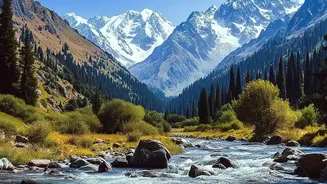
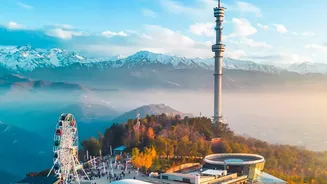
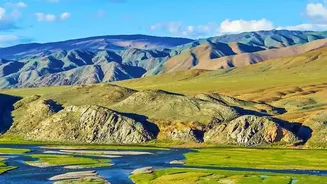
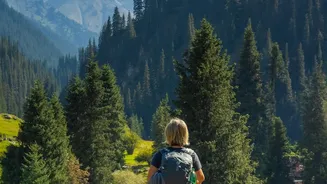
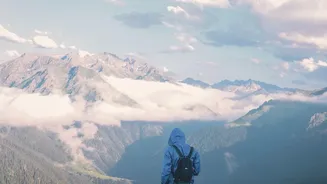
Beyond the practicalities of visas and costs, Almaty and Bishkek offer a unique blend of adventure, culture, and history that feels fresh and undiscovered. Almaty, nestled at the foothills of the magnificent Tien Shan mountains, is a gateway to stunning natural landscapes. Backpackers are drawn to attractions like the Big Almaty Lake, the thrilling cable car ride to Shymbulak Ski Resort, and the otherworldly Charyn Canyon, often called Central Asia's Grand Canyon. Bishkek offers a different vibe, with its Soviet-era architecture, bustling Osh Bazaar, and proximity to the pristine Ala Archa National Park, a haven for trekkers. The region's history along the Silk Road adds another layer of fascination. For many Indian travellers tired of the usual tourist circuits, these cities represent a chance to explore a path less travelled.
Growing Connectivity and Social Buzz
The rise of Almaty and Bishkek isn't just about policy changes; it's also fuelled by increasing connectivity and digital word-of-mouth. Airlines have recognized the growing demand, with direct flights making the journey from India quicker and easier than ever before. Simultaneously, Indian travel bloggers and social media influencers have begun showcasing the region's stunning beauty and affordability. Instagram feeds filled with images of pristine alpine lakes, futuristic architecture in Astana, and vibrant local markets have sparked curiosity among a new generation of travellers. This digital buzz creates a powerful feedback loop: as more people visit and share their experiences, the more others are inspired to follow, cementing Central Asia's place on the modern Indian backpacker's map.