





The ‘Healthy Fruit’ Illusion
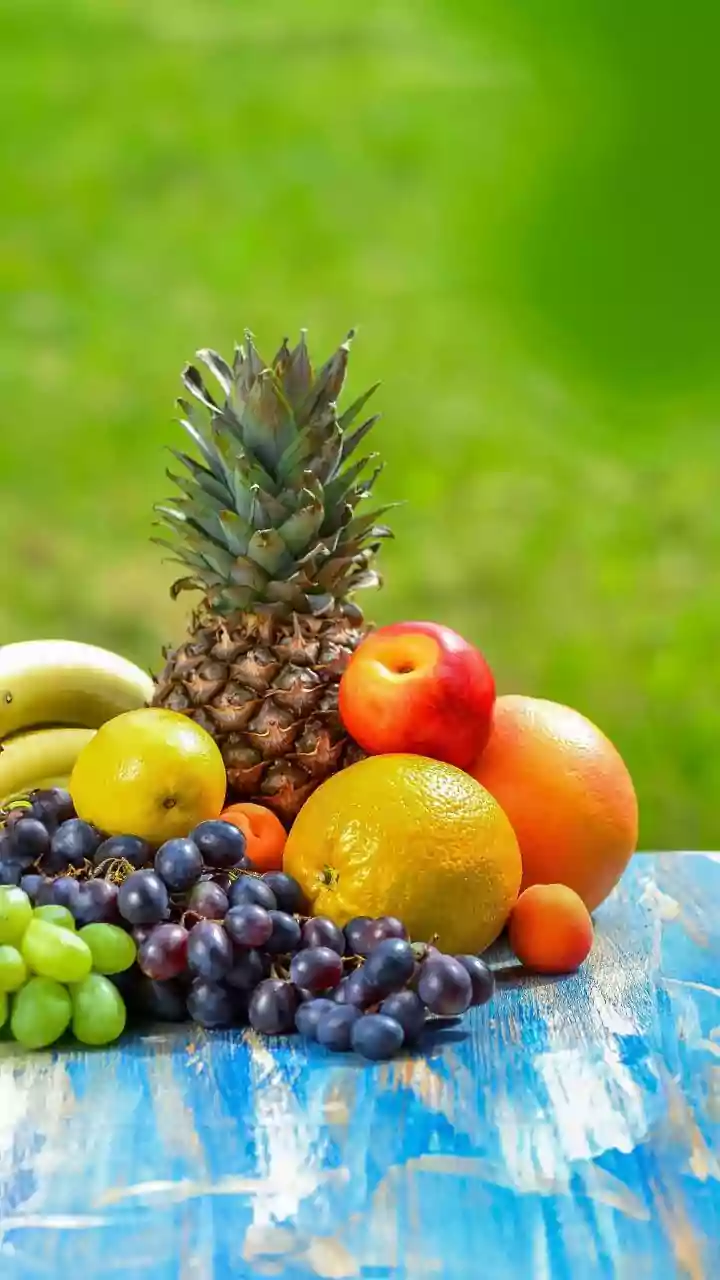
The packaging often screams ‘real fruit’ and ‘natural goodness’, adorned with images of luscious mangoes, oranges, and berries. This is the first layer of the trap. In reality, the actual fruit content in many packaged coolers is shockingly low, often ranging
from less than 1% to maybe 10%. What you’re mostly tasting is not the fruit itself, but an engineered ‘fruit flavour’. These are chemical compounds designed in a lab to mimic the taste of fruit. So while your brain registers ‘mango’, your body is processing flavouring agents and very little of the fibre, vitamins, and antioxidants you’d get from eating the actual fruit.
The Hidden Sugar Bomb
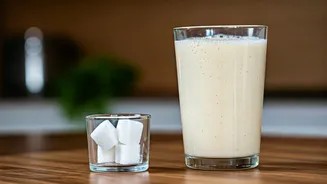
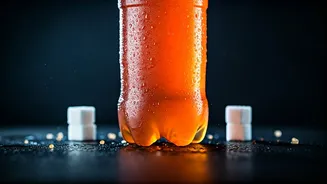
The biggest and most dangerous part of this trap is the sugar content. To make up for the lack of real flavour and to make the drink hyper-palatable, manufacturers load these coolers with sugar. A single 250-300 ml serving can contain anywhere from 25 to 40 grams of sugar. To put that in perspective, that’s about 6 to 10 teaspoons of sugar in one small drink. The World Health Organization recommends adults limit their daily intake of free sugars to about 25 grams for optimal health. This means one small packaged cooler can blow through your entire daily sugar budget. This isn't hydration; it's a liquid dessert, contributing to weight gain, increasing the risk of Type 2 diabetes, and causing energy crashes after the initial sugar rush.
What About ‘Diet’ or ‘Zero Sugar’?
Seeing the rising health consciousness, brands have rolled out ‘diet’, ‘zero’, or ‘low-cal’ versions. While these swap out sugar for artificial sweeteners like aspartame, sucralose, or stevia, they aren’t a get-out-of-jail-free card. The science on the long-term effects of many artificial sweeteners is still debated. More importantly, these substitutes are hundreds of times sweeter than sugar. Regular consumption can desensitise your palate, making naturally sweet foods like fruit taste bland. They keep your brain hooked on intense sweetness, perpetuating the craving cycle without providing any nutritional benefit. They might be a trap of a different kind, promising guilt-free sweetness while potentially altering your taste preferences and gut microbiome.
The Chemical Cocktail You Didn't Order
Flip over the bottle and look at the ingredients list. Beyond sugar or sweeteners, you'll likely find a long list of words that are hard to pronounce. These often include acidity regulators (like citric acid), stabilisers (to keep the texture consistent), preservatives (to ensure a long shelf life), and synthetic food colours (to give the drink its vibrant, appealing hue). While most of these are approved for consumption in regulated amounts, the question is: are you looking for a refreshing drink or a chemistry experiment? A truly refreshing and hydrating drink shouldn't require a cocktail of industrial additives to be enjoyable.
Smarter, Tastier, and Truly Refreshing Alternatives
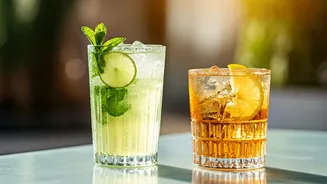
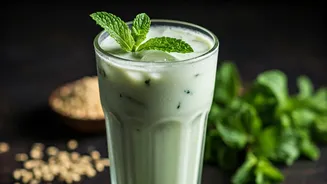
Escaping the trap is easier and more delicious than you think. India has a rich tradition of summer coolers that are genuinely healthy and hydrating. Think of a freshly squeezed nimbu pani (with salt and a hint of sugar), a cooling glass of chaas (buttermilk) with roasted jeera, or the earthy goodness of sattu. There’s also classic jaljeera, revitalising coconut water, or homemade aam panna. These drinks are not only free from artificial additives but are also packed with electrolytes, vitamins, and probiotics that help your body actually cope with the heat. They take minutes to prepare and are far more cost-effective in the long run.