



More Than a Festival, An Event
What was once a series of household pujas and community temple visits has evolved into a full-blown cultural extravaganza demanding serious logistical planning. For a growing number of Indian families, Navratri is now an anchor event on the annual calendar,
requiring coordination on par with a major wedding or a destination holiday. The shift reflects a broader trend where traditional festivals are becoming grander social showcases, blending ancient rituals with modern consumerism and a desire for large-scale, shared experiences. This evolution has turned Navratri into a significant economic driver, boosting sectors from apparel and event management to travel and hospitality.
The Great Garba Wardrobe
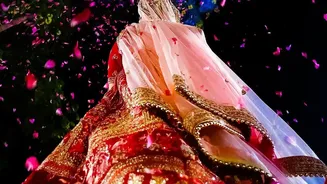
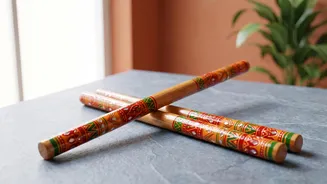
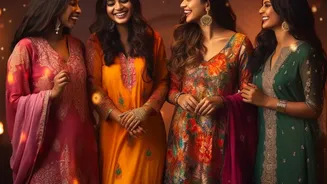
At the heart of this planning frenzy is the wardrobe. Navratri is often called the most outfit-intensive festival of the year, with nine nights demanding distinct, vibrant looks. The pressure to shine on the dandiya floor, amplified by social media, has moved households from last-minute shopping to meticulous, months-long preparation. Boutiques and designers report taking orders for custom chaniya cholis and coordinated group outfits well in advance. The rise of rental services for elaborate traditional wear also points to a desire for high-fashion looks without the long-term investment. It’s no longer just about wearing something new; it's about curating a nine-day lookbook, complete with oxidized silver jewellery and perfectly matching dandiya sticks.
Booking Your Dandiya Nights
The days of casually showing up at the local garba ground are fading, especially in major cities. Today’s Navratri landscape is dominated by large-scale, ticketed dandiya nights featuring celebrity singers, live bands, and sprawling food courts. These events have become a multi-crore industry, with passes selling out weeks, if not months, ahead of time. Families and groups of friends now strategize which nights to attend which venues, balancing budgets against the allure of a star performer. For event organizers, the planning is even more intense, involving booking venues a year in advance, securing permits, and arranging for extensive security and crowd management.
Navratri On The Move
The festival has also sparked a significant travel trend. A growing number of enthusiasts are planning 'Navratri tourism' trips, traveling to hubs like Gujarat to experience the most authentic and energetic celebrations. Tour operators have responded with curated Navratri packages that include passes to exclusive garba events, temple visits to important Shakti Peeths like Ambaji, and guided cultural experiences. Much like planning a summer vacation, families are now booking flights and hotels months early to secure better rates and ensure availability during the peak festive rush, turning the nine nights into a full-fledged holiday.
From Rituals to Reunions
Underlying this logistical ramp-up is a fundamental shift in the festival’s social role. Navratri has become a primary occasion for reunions, drawing friends and families together from across cities and even countries. The vibrant, celebratory atmosphere of garba nights provides a perfect, informal backdrop for community bonding. The planning is no longer just about individual households but about coordinating schedules with a wider social circle. This fusion of devotion, dance, and social connection is what cements Navratri's new status as a major planning moment, a time to consciously create shared memories.