








The Monsoon Factor
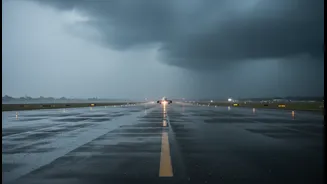
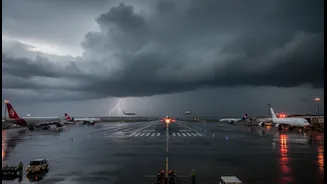
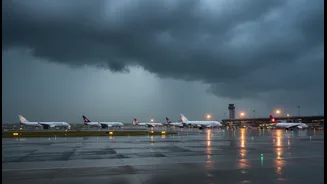
The primary reason for potential delays this month is the weather. The monsoon season has arrived in Delhi, bringing with it heavy rains, strong winds, and reduced visibility. These conditions can significantly impact flight operations, sometimes leading
to diversions, delays, or temporary halts in takeoffs and landings. Just recently, severe weather led to 15 flights being diverted from Delhi to nearby airports like Jaipur and Lucknow. The India Meteorological Department (IMD) has issued alerts for the region, warning of continued rainfall and thunderstorms throughout the first half of July. Airlines are already feeling the effects, with major carriers like Air India, IndiGo, and SpiceJet issuing travel advisories for passengers flying to and from Delhi.
A Ripple Effect on Schedules
Weather-related disruptions don't just affect a single flight; they create a cascading effect across the airport's schedule. When a flight is delayed or diverted, it can impact gate availability, air traffic control sequences, and crew scheduling for subsequent flights. This means that even if the weather appears calm when you're scheduled to depart, you could still experience a delay caused by earlier disruptions. The suddenness of thunderstorms can make it difficult for airports and airlines to maintain a normal rhythm, leading to a backlog that can take hours to clear. This is why airport authorities and airlines are working closely to manage the situation and minimise inconvenience for passengers as much as possible.
How to Prepare for Your July Flight
The single most important step is to plan for extra time. This applies not only to your time inside the airport but also your journey to get there. Heavy rains can cause significant traffic congestion and waterlogging on roads leading to the airport. Airlines are specifically advising passengers to factor in extra time for their commute. Once at the airport, a healthy buffer will help you navigate security and check-in without the added stress of a looming departure time. For domestic flights, arriving 2.5 to 3 hours before your flight is a wise precaution, while for international travel, a 4-hour window is recommended. These are not just suggestions; they are practical measures to mitigate the stress of unpredictable travel conditions.
Essential Pre-Travel Checklist
Before you even leave for the airport, there are several things you can do to ensure a smoother journey. First and foremost, check your flight status repeatedly. All major airlines urge passengers to monitor their flight's status via the airline's website or mobile app right up until they leave for the airport. This will give you the most current information on delays or cancellations. Secondly, complete your web check-in from home. This saves a crucial step at the airport. Also, consider using services like DigiYatra, which can significantly speed up the process at security and boarding gates. Finally, pack smart. Ensure any liquids are in permissible sizes and easily accessible, and keep essential medications and a change of clothes in your carry-on luggage, just in case of longer delays or diversions.