





The Fridge as a Battleground
Whether in a shared flat or a bustling office breakroom, the communal fridge is often a source of unspoken tension. It’s a classic case of the tragedy of the commons—a shared resource that suffers from overuse and under-maintenance. Without clear rules,
good intentions give way to passive-aggressive notes, wasted food, and general resentment. The good news is that a simple, clear agreement can transform this cold box of conflict into a bastion of cleanliness and respect. It all starts with a frank conversation among housemates or colleagues to establish a few ground rules.
The Non-Negotiable: Label Everything
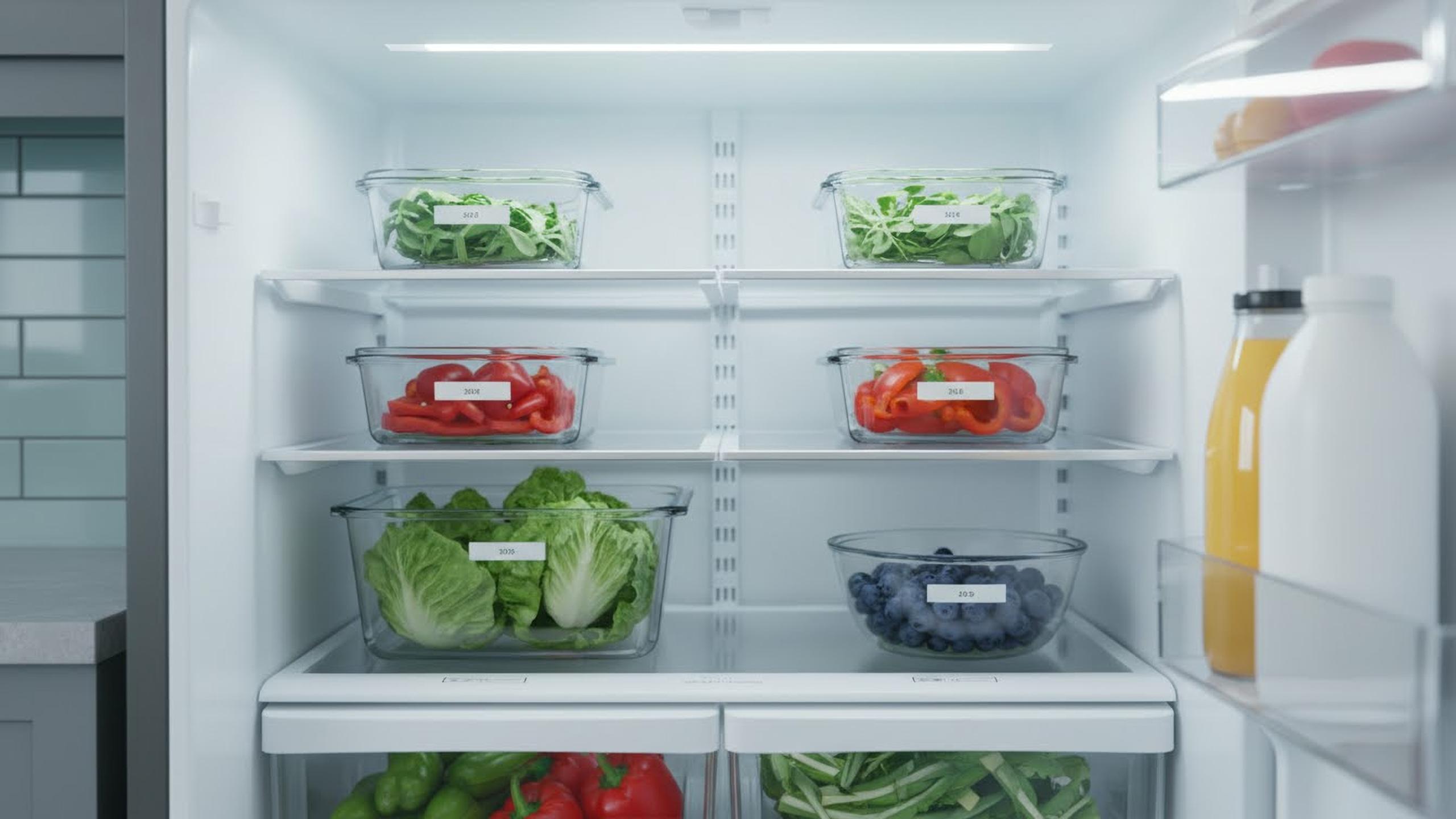
The single most effective tool for fridge harmony is the humble label. Encourage everyone to label their items with their name and the date they were placed in the fridge. This simple act accomplishes several things at once. First, it eliminates the classic “Is this up for grabs?” dilemma. If it has a name on it, it’s not yours unless you have explicit permission. Second, the date provides crucial information for food safety and clean-out day. No more guessing how long that container of curry has been lurking in the back. Providing a roll of masking tape and a marker right next to the fridge makes this habit easy for everyone to adopt.
Setting Clear Rules for Leftovers
Leftovers are the primary culprits in fridge clutter and spoilage. Your agreement must have a specific policy for them. A widely accepted food safety guideline is that most refrigerated leftovers should be consumed within three to four days. Anything older is questionable and should be tossed. The agreement should state this clearly. If someone brings in food to share, they should label it as “communal” and include the date. For personal leftovers, the four-day rule should be the standard. This prevents forgotten meals from becoming permanent, fuzzy residents.
The Sacred Ritual: The Weekly Clear-Out
To maintain order, a scheduled weekly clear-out is essential. Designate a specific day and time—for example, Friday at 3 p.m.—for the purge. The rule is simple: any item that is unlabeled, expired, or has exceeded the leftover time limit gets thrown out. To make this fair, send out a reminder email or post a note an hour before the clean-out begins, giving everyone a final chance to rescue their items. This task can be rotated among users or assigned to a designated facilities manager or a volunteer. Consistency is key; when people know the clear-out is happening no matter what, they are more likely to manage their own food responsibly.
Drafting and Implementing Your Agreement
Once you've agreed on the principles, write them down and post them clearly on or near the refrigerator. A good agreement is simple and focuses on the core issues. It should cover: labeling all items with name and date; a leftover policy (e.g., four-day maximum); the weekly clear-out schedule; and a commitment to clean up one's own spills immediately. It can also be helpful to designate shelves or sections for each person, especially in a roommate situation, to prevent crowding and keep things organized. When introducing the agreement, frame it as a positive step toward making the shared space better for everyone, not as a list of punishments.