






The thought of cardio often brings to mind pounding pavements or high-energy jumping. But what if you could achieve excellent heart health without the joint stress? Low-impact exercise offers a powerful, gentle alternative for everyone.
The Power of Low-Impact Cardio
Low-impact exercise
is any activity where you keep at least one foot on the ground or your body is supported, which means less jarring force on your joints. Unlike running or plyometrics, which involve both feet leaving the ground and creating significant impact upon landing, low-impact workouts provide a smoother, gentler way to get your heart rate up. This makes them an ideal choice for a wide range of people, including beginners, older adults, individuals with arthritis or joint pain, and those recovering from injuries. The key is that 'low-impact' does not mean 'low-intensity' or 'low-benefit'. These exercises are incredibly effective at improving cardiovascular fitness, burning calories, and boosting endurance without putting your hips, knees, and ankles under excessive strain.
How It Boosts Heart Health
The magic of cardio lies in its ability to challenge your heart and lungs. Low-impact exercises do this beautifully. By engaging in these activities consistently, you elevate your heart rate into a beneficial training zone, typically 50-70% of your maximum rate for moderate intensity. This sustained effort strengthens the heart muscle, making it more efficient at pumping blood throughout the body. Over time, this leads to a host of benefits: a lower resting heart rate, improved circulation, and healthier blood pressure levels. Regular low-impact cardio helps reduce the risk of heart disease and stroke by improving cholesterol levels and increasing oxygen delivery to your muscles.
Swimming: The Ultimate Joint-Saver
Often hailed as the perfect exercise, swimming offers a full-body workout with virtually no impact on your joints. The water’s buoyancy supports your body weight, which can be a game-changer for individuals with arthritis or mobility issues. Swimming elevates your heart rate and improves cardiovascular endurance, with some studies showing swimmers have a significantly lower risk of death from heart disease. It also strengthens your heart muscle and can lead to lower blood pressure and a reduced resting heart rate over time. Because it engages muscles across your entire body, it's a highly efficient way to build strength and stamina simultaneously.
Cycling: A Powerful Low-Impact Ride
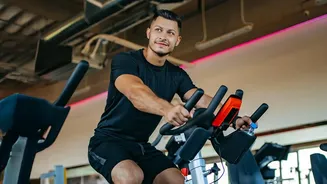
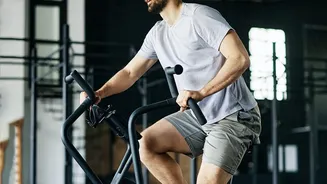
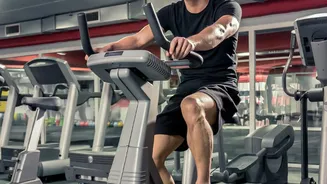
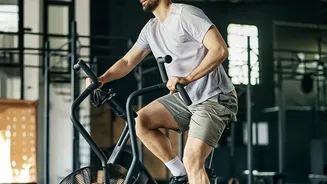
Whether you prefer a stationary bike at the gym or a scenic route outdoors, cycling is a fantastic low-impact cardio option. The smooth, circular motion of pedalling builds lower body strength and endurance without the jarring stress that running can place on knees and hips. Research has even linked a history of cycling to a lower risk of developing knee arthritis. Cycling is effective because it allows you to maintain a steady, elevated heart rate, which is crucial for improving cardiovascular function. You can easily adjust the intensity by changing your pace or increasing the resistance, making it suitable for all fitness levels.
Brisk Walking: Simple and Accessible
Never underestimate the power of a good walk. When done at a brisk pace, walking is a highly effective form of moderate-intensity cardio. To be considered 'brisk', you should aim for a pace that raises your heart rate and makes you slightly breathless—enough that you can still talk, but not sing. For many adults, this means a heart rate of around 100-120 beats per minute. Walking is incredibly accessible, requiring no special equipment other than a supportive pair of shoes. Consistent brisk walking is proven to improve heart health by boosting circulation and lowering the risk of heart attack and stroke.
Elliptical Training: Full-Body, No Impact
The elliptical machine is a gym staple for a reason. It's designed to mimic the motion of running but without the impact, as your feet remain on the pedals throughout the exercise. This makes it an excellent, joint-friendly alternative for achieving a high-intensity workout. Most ellipticals feature moving handlebars, allowing you to engage your upper body for a true full-body session that works your arms, shoulders, back, and core in addition to your legs. This comprehensive muscle engagement helps elevate your heart rate efficiently, strengthening your heart and lungs and improving your overall stamina.