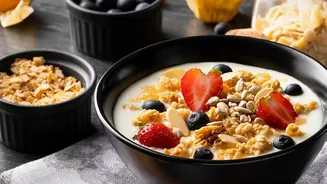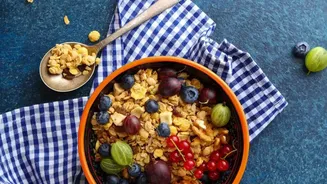



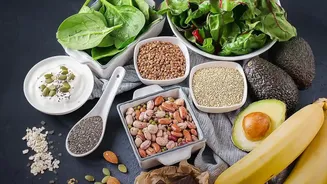
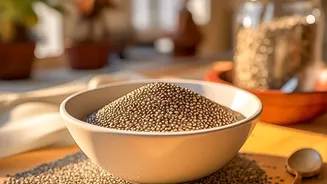
Starting your day with a breakfast that keeps your energy steady can be a game-changer. Adding certain seeds to your morning meal is a simple, powerful strategy to help manage post-meal blood sugar spikes, thanks to their unique nutritional makeup.
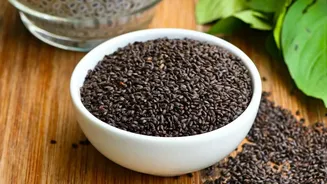
1. Chia Seeds
These
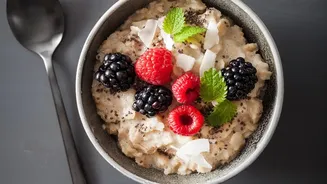
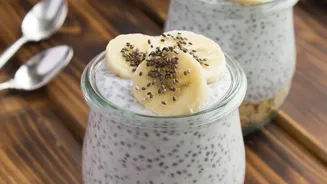
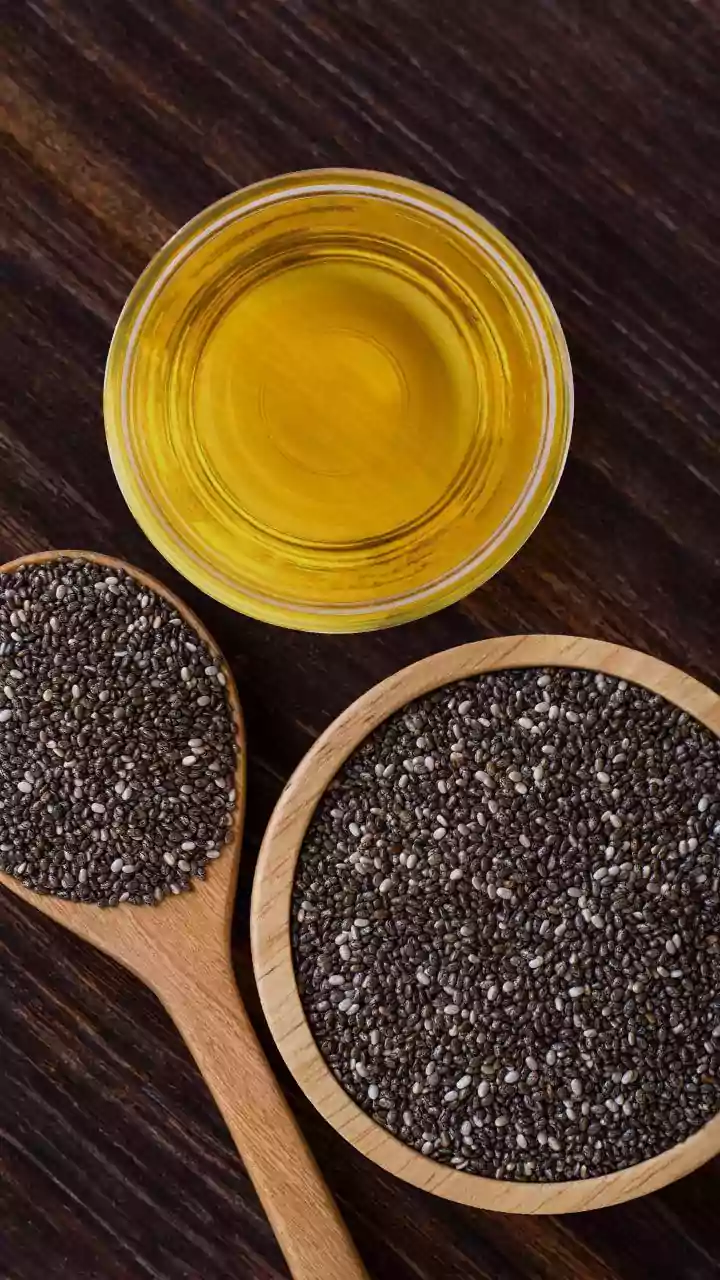
tiny black or white seeds are nutritional powerhouses, packed with soluble fiber, protein, and healthy fats. When you eat chia seeds, their high fiber content forms a gel-like substance in your stomach. This gel slows down the digestion and absorption of carbohydrates, leading to a more gradual release of glucose into the bloodstream. This helps prevent the sharp spikes and subsequent crashes in energy that can follow a carbohydrate-heavy breakfast. Just one to two tablespoons can make a difference. Try making a chia pudding overnight by soaking them in milk or a plant-based alternative, or simply sprinkle them over oatmeal, yogurt, or into a smoothie for an easy nutritional boost.
2. Flaxseeds
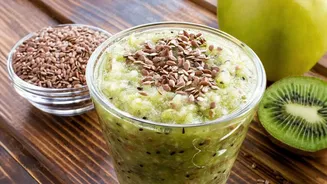
Flaxseeds, also known as linseeds, are celebrated for their rich content of fiber, alpha-linolenic acid (ALA) which is a type of omega-3 fatty acid, and compounds called lignans. Similar to chia seeds, the soluble fiber in flax helps slow down digestion, which can blunt post-meal glucose spikes. Some studies have shown that consuming ground flaxseed before a meal can significantly reduce the glycemic response. For your body to fully absorb their nutrients, it's best to consume flaxseeds in their ground form. The whole seeds have a tough outer shell that can pass through your digestive system intact. Add a tablespoon or two of ground flaxseed to your morning cereal, blend it into a smoothie, or mix it into pancake or muffin batter.
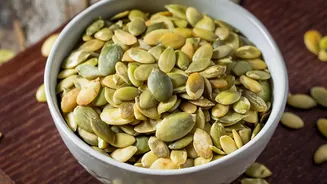
3. Pumpkin Seeds
Also known as pepitas, pumpkin seeds are a fantastic source of magnesium, a mineral that plays a crucial role in the body's ability to use insulin and regulate blood sugar. Many people do not get enough magnesium in their diets, and these seeds offer an easy way to increase your intake. In addition to magnesium, pumpkin seeds provide a healthy dose of fiber, protein, and unsaturated fats. This combination helps promote satiety and slows down carbohydrate absorption. Studies have shown that pumpkin seed consumption can lead to a noticeable reduction in post-meal blood sugar levels. Enjoy a handful as a snack, or sprinkle them over your yogurt, oatmeal, or avocado toast for a satisfying crunch.
4. Sunflower Seeds
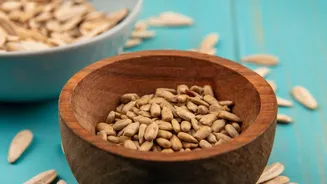
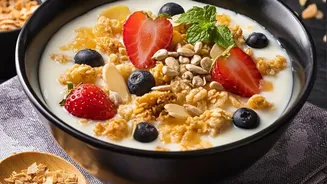
With a mild, nutty flavor, sunflower seeds are more than just a simple snack. They are packed with beneficial nutrients, including healthy fats, protein, fiber, vitamin E, and magnesium. The combination of protein and fat helps to slow digestion, which contributes to more stable blood sugar levels after eating. Their low carbohydrate content ensures they have a minimal impact on blood glucose on their own. The magnesium in sunflower seeds also contributes to better insulin response and blood sugar control. You can easily incorporate them into your breakfast by stirring them into yogurt, sprinkling them on top of a smoothie bowl, or mixing them into homemade granola. Just be sure to choose unsalted varieties to keep your sodium intake in check.
5. Sesame Seeds
Sesame seeds are rich in healthy fats, protein, fiber, and unique plant compounds called lignans, such as sesamin and sesamolin. Research suggests these lignans, along with the seed's high magnesium content, can contribute to improved glycemic control. The fiber helps slow the absorption of sugars from your meal into the bloodstream, preventing sharp spikes. Several studies have pointed to sesame consumption being associated with reductions in fasting blood sugar and HbA1c, a marker for longterm glucose control. Tahini, a paste made from ground sesame seeds, is a delicious way to add these benefits to your breakfast. Spread it on toast than drizzle it over oatmeal than blend it into a smoothie for a creamy nutrient rich boost.