






A Paradise with Peril
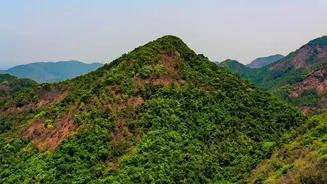
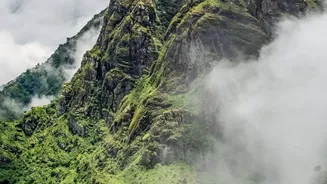
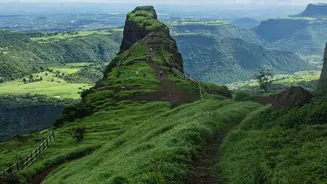
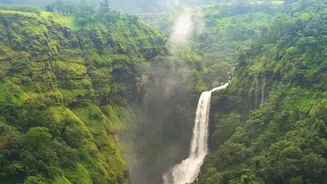
For adventure lovers, the monsoon transforms the Western Ghats into a trekking paradise. The hills erupt in vibrant shades of green, and trails lead past roaring waterfalls and misty valleys. However, this breathtaking landscape hides significant dangers.
The same rains that bring the region to life can trigger flash floods and landslides with little warning. Intense spells of rain can turn gentle streams into raging torrents, trapping unsuspecting trekkers. Recent years have seen an increase in such weather events, leading to a number of tragic incidents and prompting authorities in states like Karnataka and Maharashtra to enforce stricter safety rules.
New Rules for the Trails
In response to safety concerns, forest departments have rolled out a host of new regulations for the 2026 trekking season. Across many popular routes in Karnataka, online permits have become mandatory, with daily caps on the number of trekkers allowed. Furthermore, it is now compulsory for trekking groups to be accompanied by certified local guides. In Maharashtra, several district administrations have banned trekking on high-risk trails during the peak monsoon months, citing the danger of flash floods in narrow gullies and slippery, near-vertical rock patches. These rules are designed to prevent overcrowding and ensure that anyone entering these fragile ecosystems is accounted for and professionally guided.
How GPS Beacons Change the Game
At the heart of this safety overhaul is the adoption of real-time GPS technology. Many organised trekking outfits are now equipping their guides with Personal Locator Beacons (PLBs) or satellite messengers. Unlike a smartphone's GPS, which relies on cellular networks, these devices communicate directly with satellites. This means they can send out a distress signal with precise location coordinates from anywhere, even deep within a forest with no mobile reception. By pressing an SOS button, a guide can instantly alert search and rescue authorities, dramatically reducing response times in an emergency. This provides a vital lifeline when it is most needed.
More Than Just a Gadget
While the technology is powerful, operators are quick to point out that it is a tool, not a replacement for expertise. The real strength of the new system lies in combining modern technology with traditional knowledge. An experienced guide’s ability to read the weather, understand the terrain, and manage a group remains paramount. The GPS beacon acts as a fail-safe. In Karnataka, the new Standard Operating Procedure (SOP) explicitly mandates that certified guides be equipped with GPS-enabled devices. This ensures there is always a way to call for help, while the guide's primary focus remains on preventing a situation from becoming an emergency in the first place.
What This Means for Trekkers
For anyone planning a monsoon trek in the Western Ghats, this shift towards technology and regulation brings a new level of assurance. When booking with an outfit, trekkers can now inquire about their safety protocols, specifically asking if their guides carry PLBs or satellite communicators. While this may slightly increase the cost of organised treks, the peace of mind it offers is invaluable. It represents a move towards more responsible and sustainable adventure tourism, where the safety of participants and the preservation of the environment are given top priority. The message is clear: the wild beauty of the Ghats can still be enjoyed, but now with a digital safety net.