





A Culinary Counterpoint
Indian cuisine is a masterclass in balance. It’s a complex dance of hot, sour, sweet, and savoury flavours, often presented together in a single thali. Within this framework, raita serves as an essential counterpoint. It’s not merely a side dish; it’s
a strategic element designed to reset and refresh the palate between bites of a rich, spicy main course like a fiery mutton rogan josh or a complex biryani. This ancient condiment, with roots tracing back to Vedic times and mentions in Ayurvedic texts, was conceived to temper bold flavours and promote dietary harmony. Its role is to provide a moment of cool, creamy relief, allowing you to return to the main dish with a renewed ability to appreciate its layered spices.
The Science of Soothing Heat
The cooling effect of raita isn’t just a pleasant sensation; it’s a matter of chemistry. The 'heat' in chillies comes from a compound called capsaicin. This oily, non-polar molecule binds to pain receptors on your tongue, tricking your brain into perceiving a burning feeling. Reaching for water is a common mistake; because capsaicin is oil-based and water is polar, drinking water only spreads the fiery compound around your mouth, intensifying the burn. This is where yogurt comes in. Dairy products contain a protein called casein. Casein is also non-polar, and it effectively 'grabs' the capsaicin molecules, lifting them off your taste receptors and washing them away, much like soap washes away grease. The fat in full-fat yogurt also helps dissolve the capsaicin, making it an even more effective neutralizer.
Sharpening, Not Just Softening
Here is where the headline’s claim truly comes to life. Raita does more than just dull the pain of chilli heat. By cleansing the palate of the overwhelming capsaicin, it allows the more subtle, aromatic spices in a dish to come forward. Think of it as cleaning a canvas. Once the 'noise' of the chilli heat is momentarily silenced, you can better perceive the warm notes of cumin, the floral hints of coriander, the earthiness of turmeric, or the sweet perfume of cardamom in your curry or biryani. The raita acts as a reset button, preventing palate fatigue. Each spoonful of the main dish after a bite of raita feels almost like the first bite again, with all its complex flavours fully present and accounted for. This is how raita 'sharpens' the experience, making each bite as vivid as the last.
A Universe of Raitas
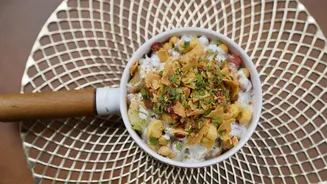
The beauty of raita lies in its versatility. The base of plain dahi (curd) is a blank slate for countless variations, each offering a different texture and flavour profile to complement your meal. Some of the most popular types include cucumber (kheera) raita, which offers maximum cooling with its high water content, and boondi raita, which features tiny, crispy fried droplets of chickpea flour for a delightful crunch. Onion-tomato raita provides a sharp, fresh contrast, while mint (pudina) raita lends an additional layer of herbal coolness. There are also fruit-based raitas, like pineapple or pomegranate, that introduce a sweet-and-sour element, and vegetable versions made with beetroot or carrot. Each variation is chosen to specifically balance the main dish it accompanies.
Perfect Pairings for Your Plate
Knowing which raita to pair with which dish can elevate your meal from good to great. For a rich, heavily spiced biryani or pulao, a simple and cooling cucumber or mint raita is the perfect partner, cutting through the richness without competing for attention. Spicy kebabs and grilled meats benefit from a slightly sharper onion-tomato or even a garlic-infused 'burani' raita, whose pungency stands up to the smokiness of the meat. For everyday meals like dal and sabzi, a simple mixed vegetable raita adds texture, nutrition, and a refreshing lift. The key is to think about contrast and balance. If your main is heavy and hot, opt for a light and cooling raita. If your main is dry, like a kebab, a creamier raita adds moisture and acts as a dip.