





More Than Just a Sharp Edge
We rightfully focus on sharpness to prevent slips and injuries. A dull blade requires more force, increasing the chance of it deflecting dangerously. However, true food safety goes deeper than the cutting edge. The material of the blade, its physical
design, the handle's construction, and how it's cleaned all play a critical role in preventing chemical contamination and bacterial growth. A knife that appears perfectly sharp could be leaching unwanted substances into your meals or harboring harmful microbes.
The Material Matters Most
The composition of the steel is the foundation of a food-safe knife. Food-grade stainless steel is the industry standard for a reason. Grades like 304 and 316 contain at least 16% chromium, which forms a protective, passive layer of chromium oxide on the surface. This layer prevents rust and stops the iron in the steel from reacting with acids in foods like tomatoes or lemons. Blades made from non-certified metals or low-quality alloys may lack sufficient chromium, making them prone to corrosion. Worse, they could contain impurities like lead or cadmium that can leach into food, posing significant health risks over time. Even some coatings designed to prevent rust aren't certified as food-safe and can flake off during use. While some specialty coatings like DLC and Titanium Nitride are considered safe, many decorative or industrial coatings are not intended for food preparation.
Mind the Gaps and Crevices
A knife’s design can either promote hygiene or create a breeding ground for germs. The most vulnerable area is often the bolster—the junction where the blade meets the handle. On poorly constructed knives, this area can have tiny gaps or seams. These crevices are perfect traps for moisture and microscopic food particles. Even with diligent washing, it's nearly impossible to clean these areas thoroughly, allowing bacteria like E. coli or salmonella to colonize. A well-designed kitchen knife will have a smooth, seamless transition from blade to handle, eliminating these hiding spots for microbes. Regulations for professional food equipment explicitly call for surfaces free of cracks and crevices for this very reason.
Handle With Care
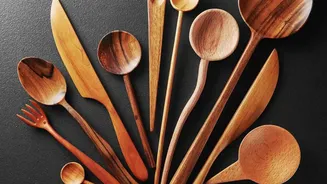
The handle is another critical component. While traditional wooden handles can be beautiful, they are porous. If not properly sealed and maintained, wood can absorb moisture from washing or from food, creating an ideal environment for mold and bacteria to grow deep within the material. Some research has shown that knife blocks, especially wooden ones, can harbor more bacteria than a toilet seat if wet knives are stored in them. More hygienic alternatives include handles made from synthetic polymers, composites, or stainless steel. These non-porous materials don't absorb water and are far easier to clean and sanitize. If you prefer a wooden handle, ensure it is made from a dense, resin-stabilized wood and is impeccably sealed.
Is It Even a Kitchen Knife?
Finally, it’s crucial to use tools for their intended purpose. A utility knife, a pocket knife, or a decorative blade might be sharp, but they were not manufactured with food safety in mind. The steels, lubricants, and coatings used on these blades are not tested or certified for food contact. Using a blade not explicitly designed for the kitchen introduces a world of unknown variables and potential contaminants to your food. Always stick to knives designated for culinary use, preferably from reputable brands that adhere to food safety standards.