

Beyond Paneer Tikka and Chilli Potato
For years, the Indian café has been a reliable haven for comforting, familiar food. The menu was a predictable landscape of sandwiches, pasta, Maggi, and a smattering of Indo-Chinese staples like chilli paneer and vegetable manchurian. This formula worked,
catering to a wide range of tastes within a group. But a quiet revolution is simmering. A new generation of diners, exposed to global cultures through travel and social media, is developing a more adventurous palate. This curiosity is reshaping café menus, pushing them beyond the tried-and-tested and into the exciting realm of Pan-Asian cuisine.
The K-Wave on Your Plate
One of the biggest drivers of this change is the Hallyu, or Korean Wave. The immense popularity of K-dramas and K-pop has introduced millions of Indians to Korean culture, and with it, its food. Watching characters on screen bond over bowls of ramen or share spicy tteokbokki (rice cakes) has created a powerful craving. Cafés are responding with accessible, vegetarian-friendly takes on these dishes. Think crispy Korean-style corn dogs, spicy gochujang-flavoured fries, and even inventive fusion items like kimchi toasties or paneer bulgogi. Food delivery platforms have seen a massive surge in orders for Korean dishes, proving this is more than just a niche trend.
The Comfort of Japanese Cuisine
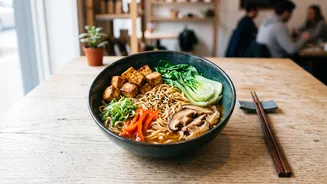
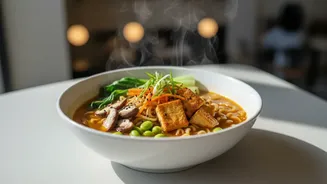
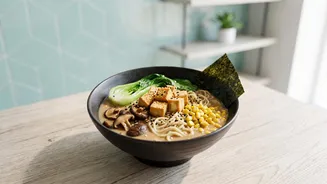
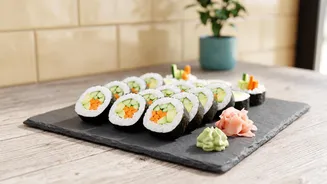
Japanese food, once considered a luxury confined to high-end restaurants, is also becoming a café staple. The focus has shifted to more casual, comforting fare that is perfect for a relaxed café setting. Ramen, in particular, has become a cult favourite. Cafés are offering steaming bowls of flavourful broth with noodles, topped with an array of vegetables, tofu, and marinated eggs. Another star is the Japanese gyoza, a pan-fried dumpling that offers a delightful textural contrast. The adaptability of Japanese cuisine allows for plenty of vegetarian innovation, from veggie sushi rolls to crispy vegetable tempura, making it a natural fit for the Indian market.
The Enduring Appeal of Dumplings and Baos
While dumplings, or momos, have long been a beloved street food, their presence in cafés has become more sophisticated. Inspired by the dim sum traditions of China, menus now feature a wider variety of steamed and pan-fried dumplings with delicate fillings like edamame truffle, spinach and corn, or assorted mushrooms. Alongside them are fluffy, cloud-like bao buns, a Taiwanese import. These steamed buns, filled with everything from spicy tofu to crispy fried mushrooms, are visually appealing and perfectly portioned for a café meal. Their versatility allows chefs to experiment with both authentic Asian flavours and creative local twists.
Why Vegetarian and Why Now?
The emphasis on vegetarian options is crucial to this trend's success. India has a large vegetarian population, and the global rise of plant-based and flexitarian diets has further increased demand for creative, meat-free meals. Asian cuisines, with their rich traditions of using tofu, mushrooms, and a vast array of vegetables, provide a fertile ground for innovation. Unlike earlier trends that often relied on paneer as the default vegetarian option, chefs are now exploring the full spectrum of produce, from jackfruit and bitter gourd to various greens and lentils, to create dishes that are both flavourful and exciting. This shift reflects a maturing of both the Indian palate and the culinary landscape, where vegetarian food is no longer an afterthought but the star of the show.