



A New Era of Cosmic Competition
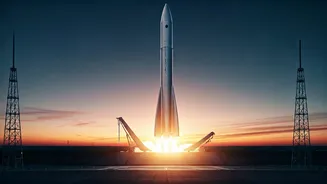
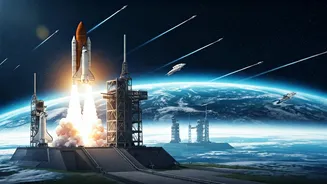
The 21st-century scramble for space is a far cry from the two-horse race between the United States and the Soviet Union. Today, a diverse group of countries and powerful private companies like SpaceX and Blue Origin are involved in a multipolar contest
for economic, military, and scientific advantage. This isn't just about planting flags. The goals are more ambitious: establishing a long-term human presence on the Moon, mining valuable resources, setting up commercial industries in orbit, and eventually sending astronauts to Mars. This renewed push is driven by a convergence of technological advancements, falling launch costs, and pressing geopolitical rivalries, creating a crowded and strategically tense environment in Earth's orbit and beyond.
The American Ambition: Artemis Returns to the Moon
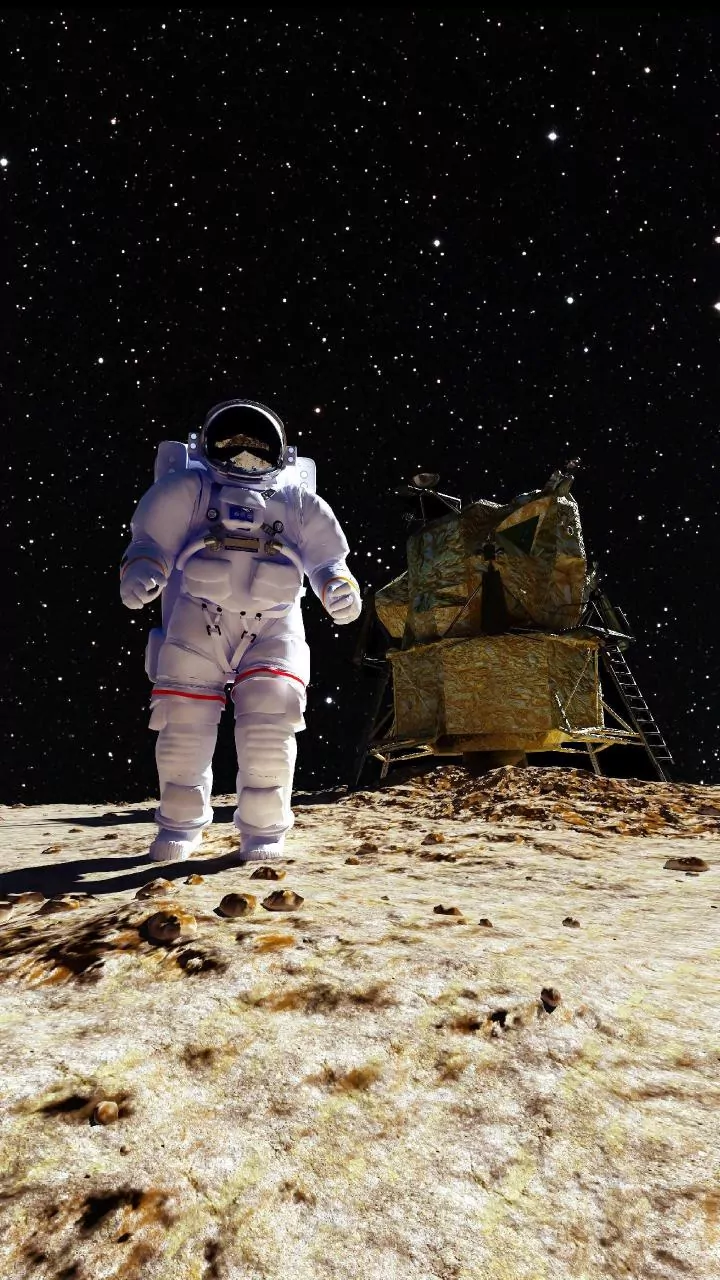
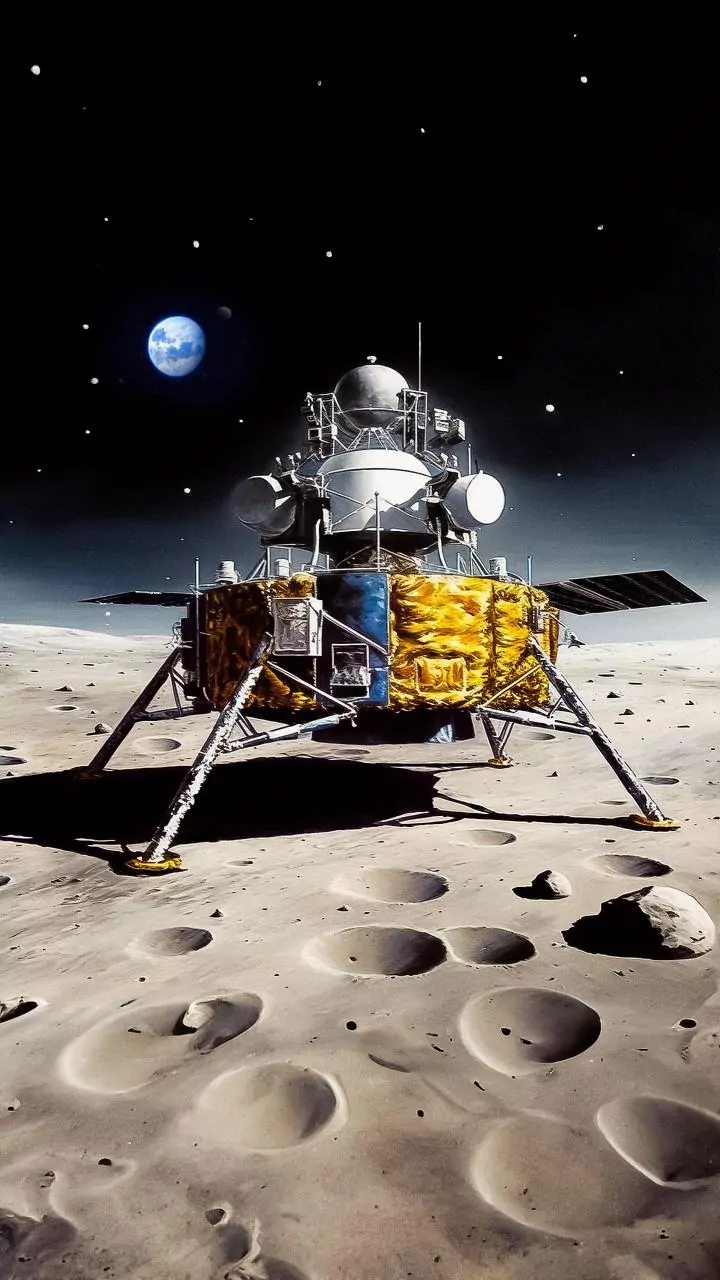
Leading the charge is the United States with its Artemis program. Following the successful uncrewed Artemis I flight in 2022 and the crewed lunar fly-by of Artemis II in April 2026, NASA is gearing up for a series of increasingly complex missions. The ultimate goal is to establish a sustainable human presence on the Moon, including a permanent base camp, which will serve as a stepping stone for eventual missions to Mars. This ambitious endeavor is a massive collaboration, not just within NASA, but with international partners and commercial companies like SpaceX and Blue Origin, who are developing the lunar landers needed to ferry astronauts to the surface. The first crewed landing since the Apollo era is targeted for 2028 with Artemis IV.
China’s Methodical Rise as a Space Power
China has made staggering progress, establishing itself as a top-tier space power. Its Tiangong space station is permanently crewed, and the country is accelerating plans for a crewed lunar landing by 2030. The nation's space program is marked by methodical, steady success, with a series of intensive missions planned for 2026. These include the Chang'e 7 mission to explore the lunar south pole and the Tianwen-2 mission, which recently arrived at the asteroid Kamo'oalewa to collect samples. China's ambitions extend to a joint lunar research station with Russia, positioning itself as a leader of an alternative bloc in space exploration.
India's Ascent and the Global Field
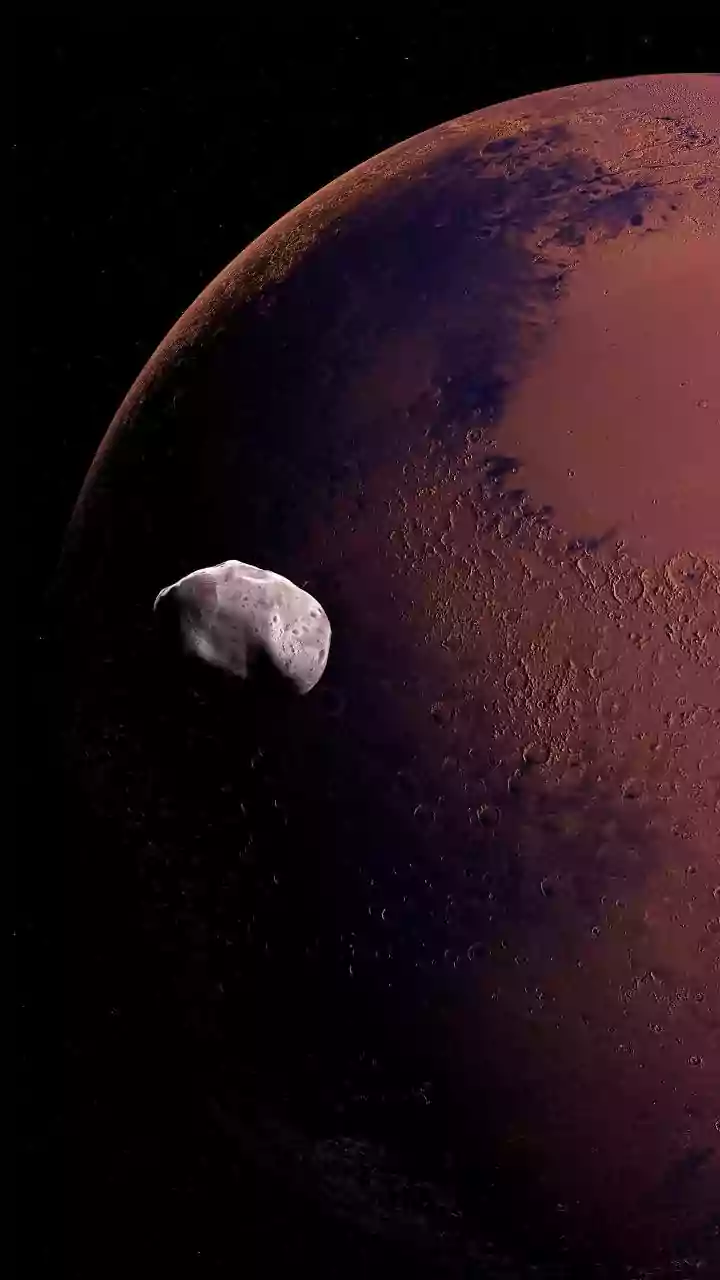
India has firmly established itself as a formidable space power, renowned for its cost-effective and highly successful missions. Following the historic landing of Chandrayaan-3 near the Moon's south pole, the Indian Space Research Organisation (ISRO) is pushing forward with ambitious plans. These include the Gaganyaan program, which aims for India's first human spaceflight, and preparations for a national space station, the Bharatiya Antariksh Station, by 2035. Other nations are also major players. Japan's JAXA is launching a mission to the Martian moons in 2026. The UAE has a thriving space program, and the European Space Agency (ESA) is collaborating on multiple fronts, including asteroid and Mercury missions. Even Russia, despite recent struggles, continues its space activities and is planning a nationwide "Space Week" to boost public interest.
Why Race? Resources, Prestige, and Survival
The motivations behind this new space race are complex. National prestige remains a powerful driver, just as it was during the Cold War. Success in space signals technological superiority and global influence. However, today's race is also fueled by significant economic incentives. The Moon is believed to hold valuable resources, including water ice—which can be converted into rocket fuel—and Helium-3, a potential fuel for future fusion reactors. Asteroids are rich in rare metals. Furthermore, a growing commercial space economy, projected to surpass $1 trillion by 2030, is creating new markets for everything from satellite internet to in-space manufacturing. Ultimately, for some, the race is about the long-term survival of the species—making humanity multi-planetary to safeguard against terrestrial catastrophes.