




The Power of Planning Ahead
Spontaneity has its charms, but when it comes to experiencing India’s most beloved festivals, early planning is your most valuable tool. The benefits go far beyond logistics. Booking flights and accommodation months in advance is essential, as millions
of people travel during peak festive seasons, causing prices to soar and availability to vanish. Planning early gives you access to the best heritage hotels and guesthouses that are often at the heart of the action. More importantly, it allows you to move from being a mere spectator to a participant. When your route is set, you can focus on understanding the cultural significance of the events, learning about local customs, and preparing to engage respectfully and meaningfully. This foresight is the difference between a chaotic, stressful trip and a seamless, enriching cultural immersion.
Anchor Your Trip with a Marquee Festival
Instead of a scattered itinerary, try anchoring your journey around a major festival. In late 2026, several incredible options present themselves. Diwali, the nationwide festival of lights, falls on Sunday, November 8. Experiencing the illuminated ghats of Varanasi or the decorated palaces of Rajasthan during this time is magical, but requires booking three to four months prior. Later in the year, the Pushkar Camel Fair in Rajasthan runs from November 17 to 24. This isn't just a livestock fair; it's a spectacular carnival of colour, music, and Rajasthani culture. For a different flavour, the Hornbill Festival in Nagaland, from December 1 to 10, offers a unique window into the rich tribal heritage of Northeast India. Called the 'Festival of Festivals', it brings together all of Nagaland's major tribes to showcase their dances, music, and traditions. Choosing one such event provides a powerful focal point for your entire trip.
Connect the Dots with Heritage Sites
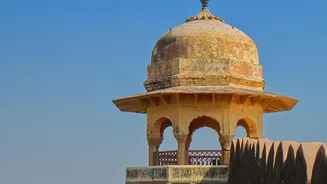
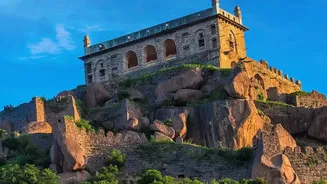
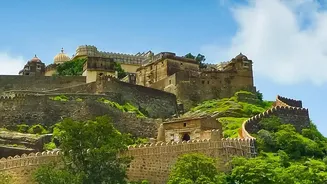
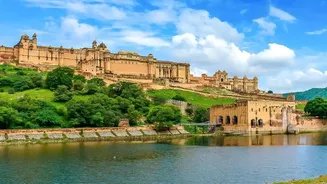
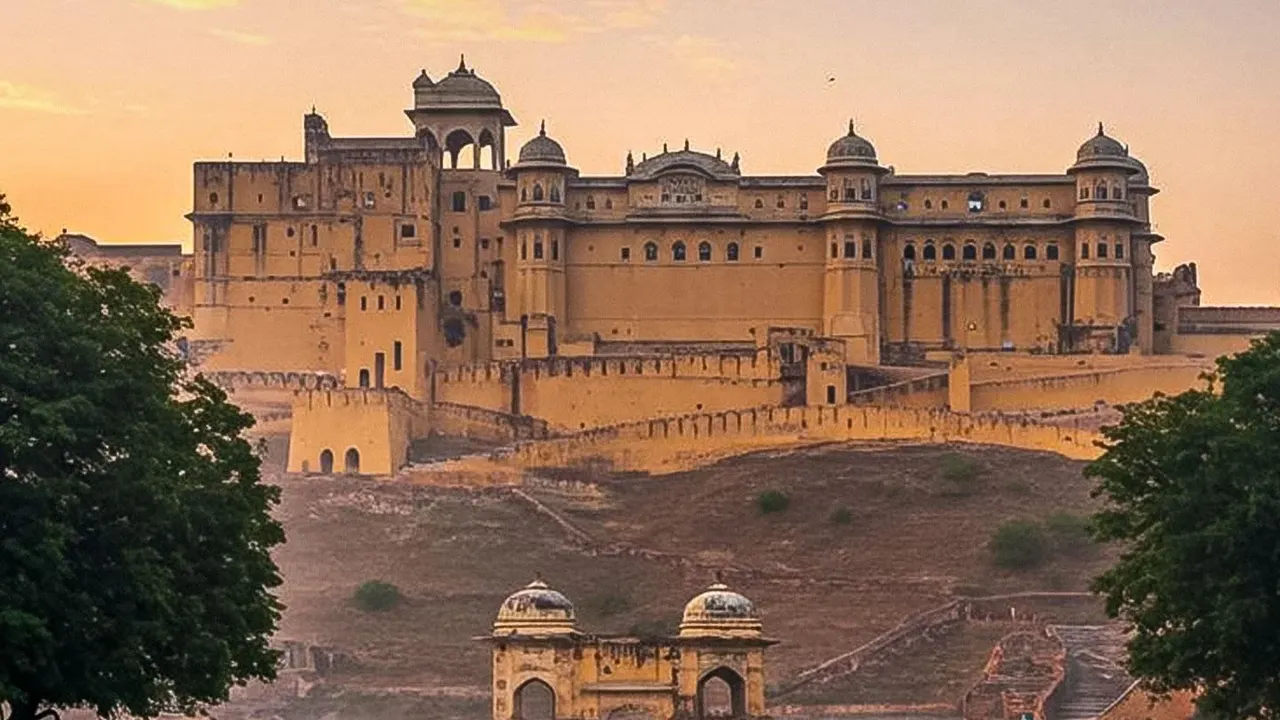
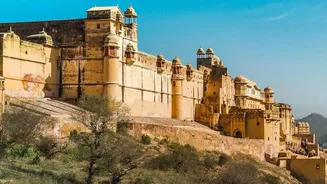
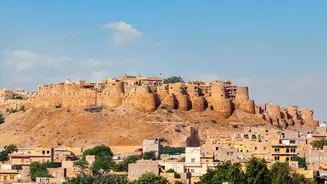
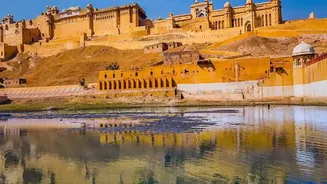
Once you have your festival anchor, look at a map. What incredible heritage sites are within reach? This is where a good trip becomes a great one. If you’re in Rajasthan for the Pushkar Camel Fair, you are on the doorstep of some of India’s most magnificent forts and palaces. An itinerary could easily include the UNESCO World Heritage sites in Jaipur, the majestic Mehrangarh Fort in Jodhpur, and the romantic lakes of Udaipur. Similarly, a trip for Diwali in North India could loop in a visit to Agra to witness the Taj Mahal. If you’re heading to the Hornbill Festival, you can plan side trips to explore the historic battle sites of Kohima, including its poignant WWII cemetery, and visit Khonoma, a village known for its pioneering conservation efforts. This 'connect-the-dots' approach weaves a rich narrative through your journey, linking contemporary culture with ancient history.
Practical Tips for a Flawless Journey
With your route mapped, it’s time for the details. Book transport—whether flights, trains, or private cars—as soon as your dates are firm. During festival periods, these services are in high demand. When packing, think about the local culture. Lightweight, modest clothing that covers shoulders and knees is always a respectful choice. For many festivals, traditional attire is not only welcomed but appreciated. Learn a few words of the local language and read up on the festival's significance; this small effort enhances interactions immensely. Finally, while a plan is essential, build in some flexibility. Transport can be delayed, and you might discover a smaller, local celebration you want to experience. Being prepared for crowds, especially at major event sites, is also crucial for a positive experience.