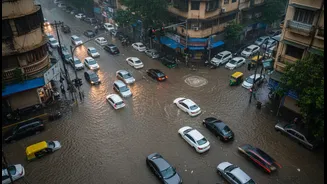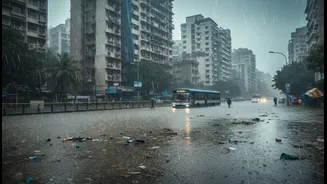






For the Daily Commuter: Stay Ahead of the Floods
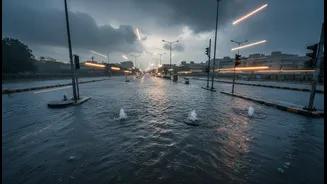
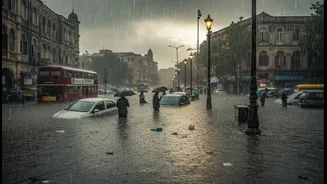
For Mumbai's commuters, monsoon waterlogging turns daily travel into a strategic challenge. The key to a safe and timely journey is real-time information. Before stepping out, it is crucial to check official updates from the Brihanmumbai Municipal Corporation
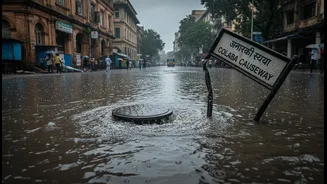
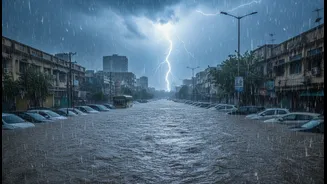
(BMC) and the India Meteorological Department (IMD). Several mobile applications are indispensable during this season. Apps like m-Indicator provide live updates on local train schedules, delays, and even platform changes, which are vital when waterlogging disrupts services. For flood-specific alerts, the BMC's own Disaster Management app, the central government's FloodWatch India, and IIT Bombay’s Mumbai Flood app offer granular, neighbourhood-level information. Google's Flood Hub now uses AI to provide advance warnings for urban flash floods. Beyond technology, practical preparation is key. If you must travel, opt for public transport like the Metro, which often remains the most reliable option when roads are submerged. Keep a 'monsoon kit' at your office, including an extra pair of clothes and dry footwear. If driving, ensure your vehicle's wipers, tyres, and headlights are in good condition and avoid parking under trees, which can fall during heavy rain and strong winds. Above all, authorities advise citizens to avoid unnecessary travel during red alerts and stay away from low-lying, waterlogged areas.
For the Savvy Renter: How to Find a Flood-Proof Home
Choosing a place to live in Mumbai requires a monsoon-specific checklist. For renters, avoiding a waterlogged home starts with due diligence before signing the lease. One of the most critical structural elements to check is the plinth height—the platform the building stands on. A plinth of at least 600-900mm above the surrounding road level significantly reduces the risk of a flooded ground floor. During a site visit, ask the broker or landlord directly about the area's flooding history. Talk to local shopkeepers or neighbours for an unfiltered opinion. When inspecting a potential flat, especially on the ground floor, look for signs of past water damage or dampness. Examine the building’s drainage system. A well-designed property should have wide, gravity-fed stormwater drains that connect efficiently to the municipal system, not on-site pits that can overflow. Check for smart features like non-return valves on drainage pipes, which prevent sewage and floodwater from backing up into the building. Also, inspect the location of electrical fittings; they should be placed at a sufficient height from the floor to prevent electrical hazards during flooding. While middle floors are generally safer from flooding and dampness, a well-constructed ground floor in a non-prone area can be perfectly fine if these checks are made.
For Urban Planners: Building a More Resilient Mumbai
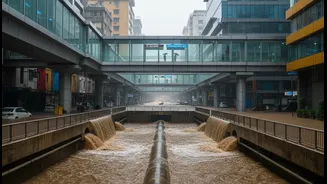
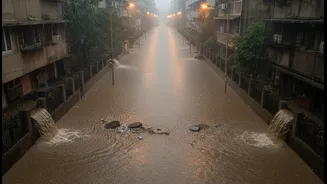
While individual preparedness is vital, long-term resilience requires systemic change led by urban planners and policymakers. The recurring nature of waterlogging highlights the urgent need to move beyond temporary fixes. A key strategy being discussed is transforming Mumbai into a 'sponge city'. This approach involves increasing the city's capacity to absorb rainwater naturally by creating and preserving green spaces, restoring wetlands and mangroves, and using porous materials for pavements. These natural infrastructure solutions are often more affordable and effective than purely engineered ones. Improving and upgrading the city's ageing stormwater drainage system is another critical priority. Many of Mumbai's drains were designed for a lower rainfall intensity than what the city currently experiences due to climate change. Experts recommend augmenting these systems, preventing encroachment on natural drainage channels like rivers and creeks, and ensuring that new infrastructure projects are designed with future climate resilience in mind. Furthermore, robust, tech-driven systems like the integrated flood warning system (iFLOWS) are essential for pre-emptive action. This system uses data on rainfall, tides, and topography to predict flood-prone areas up to three days in advance, allowing authorities to manage resources and issue timely warnings.
Health and Safety During Waterlogging
Navigating flooded streets is not just an inconvenience; it poses significant health risks. Stagnant floodwater can be contaminated with bacteria, leading to diseases like leptospirosis. The BMC regularly issues advisories urging residents to avoid wading through floodwaters if possible. If exposure is unavoidable, it is critical to seek preventive medical treatment within 72 hours, which the BMC refers to as a 'golden window'. Washing your feet and legs with clean water and soap immediately after exposure is a crucial first step. Pay attention to any cuts or wounds, as they are entry points for infection. It's also advisable to drink only boiled or filtered water during the monsoon to avoid waterborne illnesses. Lastly, be cautious of electrical hazards. Avoid touching wet electrical switches and stay away from downed power lines or unstable electric poles.