







The Godfather (1972)
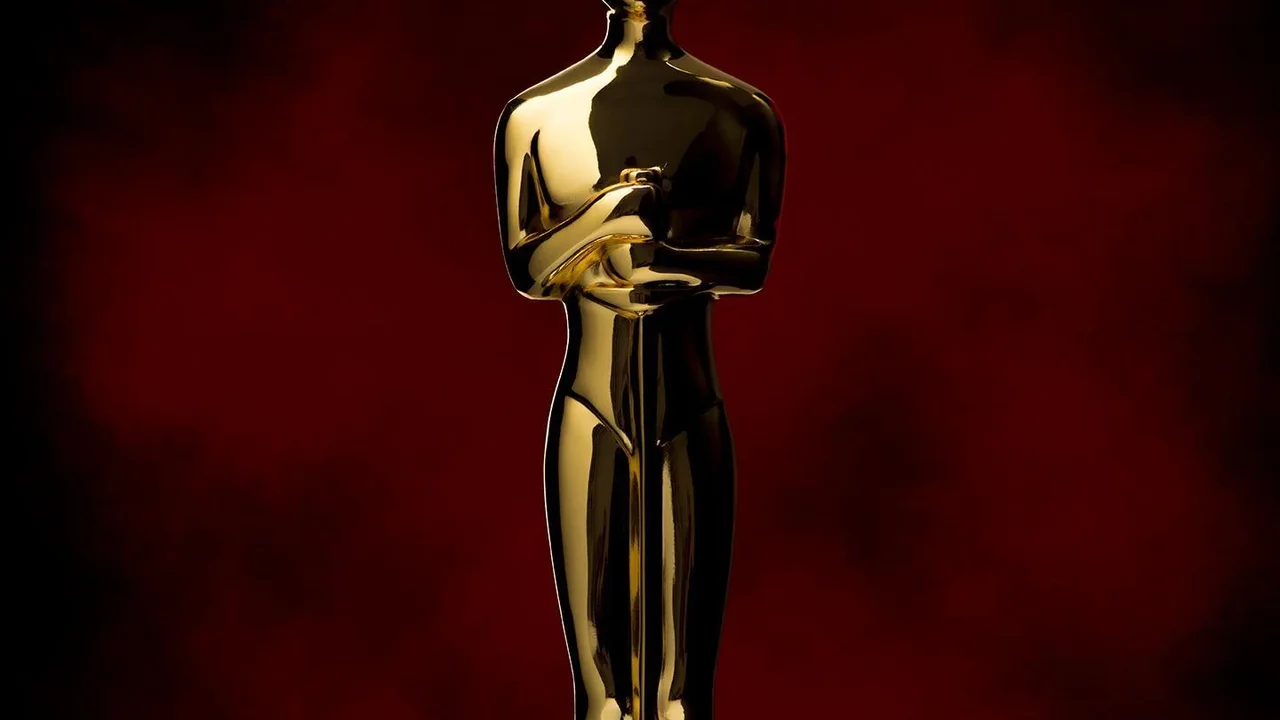
Francis Ford Coppola's masterpiece is more than a gangster movie; it's an epic family saga that redefined the crime genre and American cinema itself. The film, which won Best Picture at the 45th Academy Awards, is a masterclass in every facet of production.
From Gordon Willis's shadowy cinematography that cloaks its characters in moral ambiguity to Nino Rota's haunting score, every element serves the film's powerful narrative. The performances are legendary, particularly Marlon Brando's Oscar-winning turn as Don Vito Corleone. The film's depiction of the corrosive nature of power and the tragic paradox of family loyalty feels both grand and deeply personal. It launched the careers of its director and stars and set a new standard for complex, adult-oriented filmmaking that continues to influence creators today.
Schindler's List (1993)
Steven Spielberg’s magnum opus is a film of harrowing power and profound humanity. Winner of seven Academy Awards, including Best Picture and Best Director for Spielberg, it tells the true story of Oskar Schindler, a German industrialist who saved more than a thousand Jews during the Holocaust. Shot almost entirely in stark black and white, the film has the feel of a documentary, lending a raw and unflinching authenticity to its portrayal of historical atrocities. Yet, amid the darkness, Spielberg finds moments of incredible grace and hope, most famously symbolized by the girl in the red coat. It is a work that transcends entertainment, serving as a vital historical document and a powerful testament to the impact one individual can have in the face of unimaginable evil. The film's success also led Spielberg to establish the Shoah Foundation, which preserves the testimonies of Holocaust survivors.
No Country for Old Men (2007)
The Coen Brothers' neo-western thriller is a chilling, poetic meditation on fate, violence, and the changing American landscape. Earning four Oscars, including Best Picture, the film is a brutally efficient and philosophically dense piece of work. It pits an ordinary man who stumbles upon a fortune against a relentless, almost supernatural embodiment of chaos in Anton Chigurh. The tension is built not through a fast-paced score but through long, quiet stretches of unbearable suspense, where the ambient sound design becomes a character in itself. The Coens' screenplay, adapted from Cormac McCarthy's novel, is sparse yet profound, exploring themes of chance and morality in a world that seems to have left old virtues behind. It’s a film that rejects easy answers, leaving a lasting, unsettling impression that marks it as a modern masterpiece.
Parasite (2019)
Bong Joon Ho's genre-bending masterpiece made history as the first non-English language film to win the Academy Award for Best Picture, a watershed moment for global cinema. Part dark comedy, part suspense thriller, and part scathing social commentary, Parasite is a brilliantly constructed tale of class warfare. The film follows the impoverished Kim family as they systematically infiltrate the lives of the wealthy Park family, with shocking and tragic consequences. Every shot, piece of production design, and line of dialogue is meticulously crafted to serve its central themes. The film's architectural symbolism—the Parks' sunlit mansion versus the Kims' semi-basement apartment—is a masterstroke of visual storytelling. Parasite’s global success and its unprecedented Oscar win proved that a powerful story, expertly told, can transcend any cultural or language barrier, truly representing a pinnacle of international production.