




A Sanctuary for the Stars
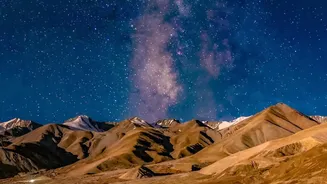
High in the Changthang plateau, at an altitude of around 4,500 metres, the village of Hanle has become the heart of India's first-ever Dark Sky Reserve. Officially designated in December 2022, this sanctuary isn't just a single point on a map; it's a protected
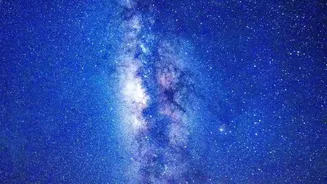
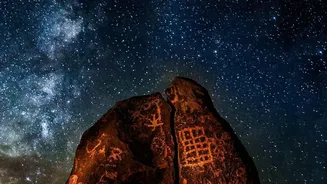
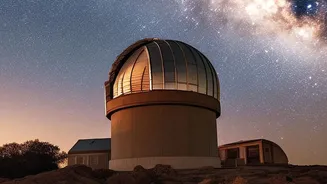
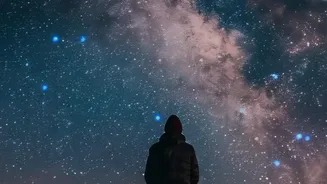
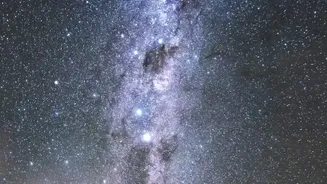
zone with a radius of roughly 22 kilometres within the Changthang Wildlife Sanctuary. The goal is simple yet profound: to minimise artificial light pollution and preserve the natural darkness that makes this region an astronomical paradise. With its thin, dry air and over 270 clear nights a year, Hanle provides some of the best conditions on the planet for looking up at the cosmos, allowing the Milky Way to be seen in stunning detail. This unique environment is why the Indian Institute of Astrophysics (IIA) established its Indian Astronomical Observatory here decades ago.
Science Meets Community Empowerment
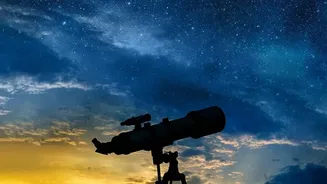
The Hanle Dark Sky Reserve is more than just a scientific project; it's a pioneering model of sustainable development driven by community partnership. The initiative is a collaboration between the UT Ladakh administration, the Ladakh Autonomous Hill Development Council (LAHDC), and the IIA. A key part of this collaboration involves empowering the local community through astro-tourism. Villagers have been trained as 'Astronomy Ambassadors' to guide visitors through the wonders of the night sky. More than two dozen residents, a majority of whom are women, have been equipped with telescopes and trained to operate them, offering paid stargazing sessions to tourists. This has created a new, sustainable source of income, encouraging the growth of local homestays and helping to revive the regional economy, ensuring that the benefits of the reserve are shared directly with the people who call this magnificent landscape home.
A Network of Celestial Experiences
While Hanle village is the core of the reserve, the vision extends across Ladakh. The headline's mention of a "network" refers to the broader effort to promote astro-tourism throughout the Union Territory. This includes the installation of telescopes in other locations and organising events like the Ladakh Astro Week to generate interest in both Kargil and Leh districts. The reserve itself has strict light management rules. Local households have been given special equipment like thick curtains and downward-facing light shades to prevent light from spilling upwards. Even vehicle headlights are regulated within the reserve's boundaries. These efforts ensure that Hanle maintains its 'Bortle 1' classification—the darkest level on the night sky quality scale, a rare rating shared by only a handful of places worldwide.
Planning Your Celestial Escape
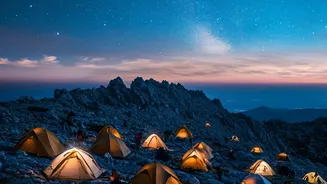
Visiting the Hanle Dark Sky Reserve requires planning, but the reward is an unforgettable experience. The journey from Leh, Ladakh's main town, takes a full day by road, covering about 270 kilometres through starkly beautiful terrain. Due to its proximity to the border, special permits are required for travel. The best time to visit for stargazing is between May and September, particularly during the new moon phase when the sky is at its darkest. Accommodation is primarily in local homestays, offering an authentic and immersive experience. Visitors should be mindful of the extreme altitude and allow several days in Leh to acclimatise before travelling to Hanle to avoid altitude sickness. When you arrive, you won't be looking through the giant research telescopes, but through powerful 8-inch telescopes operated by the knowledgeable local ambassadors who bring the universe to life.