


What is 'Everyday Strength'?
Everyday strength, often called functional strength, isn't about lifting the heaviest weights in the gym. It’s about training your body to handle real-life tasks efficiently and safely. Think about lifting a heavy suitcase, pushing a stalled car, pulling
open a stubborn door, or squatting down to pick something up. These activities require multiple muscle groups to work together in coordination. Unlike traditional workouts that might isolate one muscle, functional training focuses on these compound movement patterns. The result is a body that's not only stronger but also more stable, flexible, and less prone to injury in your day-to-day activities.
The Foundation of Squatting
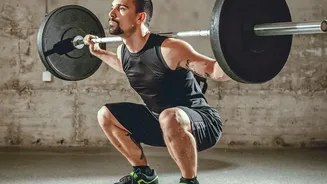
The squat is one of the most fundamental human movements. We do it when getting up from a chair, lifting a box from the floor, or even just playing with children. It is a powerhouse exercise for building lower body and core strength, targeting your quadriceps, hamstrings, and glutes. To practice, stand with your feet shoulder-width apart. Keeping your chest up and back straight, lower your hips as if sitting in a chair. Go as low as is comfortable while maintaining good form, then drive through your heels to return to a standing position. Mastering the bodyweight squat is the first step to making lifting safer and more efficient.
The Power of Pushing
From pushing a shopping trolley to placing a bag in an overhead compartment, pushing movements are a part of our daily routine. Exercises that build pushing strength, like the classic push-up, work your chest, shoulders, and triceps. If a full push-up is too challenging, you can start by doing them against a wall or with your knees on the floor. The key is to keep your back straight and engage your core muscles. Building this strength helps protect your shoulders and makes tasks requiring you to move things away from your body feel significantly lighter and more controlled.
The Practicality of Pulling
Pulling actions are just as common as pushing ones. Think about starting a lawnmower, carrying a bucket of water, or pulling yourself up. These movements rely on the muscles in your back and your biceps. Simple exercises like rows, which can be done with resistance bands or even a heavy bag, are excellent for building pulling strength. A strong back not only helps with lifting and carrying but is also crucial for maintaining good posture, which can reduce the likelihood of back pain from long hours of sitting. When pulling any object, it's best to keep your back straight and use your legs to generate power.
The Simplicity of Carrying
How many times have you juggled multiple heavy bags of groceries from the car to your kitchen? This is functional carrying in action. The 'Farmer's Carry' is a simple exercise that mimics this perfectly. Simply hold a weight, like a dumbbell, kettlebell, or even a heavy shopping bag, in one or both hands and walk for a distance. This exercise strengthens your grip, forearms, and shoulders, but its main benefit is how it challenges your entire core to keep you stable and upright. It’s a full-body exercise that directly translates to making one of the most common daily chores feel much less strenuous.