



Embrace the Art of Layering
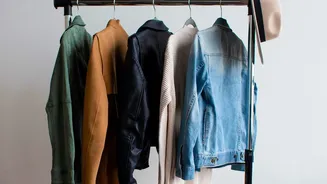
The single most effective strategy for multi-climate packing is layering. Instead of packing a bulky sweater for the cold and thin tees for the heat, think in terms of a three-part system that works together. Start with a base layer of lightweight, moisture-wicking
tops that can be worn alone in warm weather. Next, add a mid-layer for warmth, such as a fleece vest, a cashmere sweater, or a cardigan. Finally, a packable, weather-resistant outer layer, like a lightweight rain jacket or windbreaker, protects you from the elements. This method allows you to add or remove pieces to adapt to any temperature instantly.
Choose Your Fabrics Wisely
The right materials provide warmth without bulk and stay fresh for longer. Merino wool is a traveler's favourite; it's lightweight, regulates temperature in both hot and cold weather, and resists odour. Synthetic performance fabrics are also excellent choices as they are wrinkle-resistant, breathable, and quick-drying. A few well-chosen pieces made from these textiles will outperform a suitcase full of cotton, which is bulky and slow to dry. For dressier occasions, look for wrinkle-free knit blends that can be rolled up tightly and still look polished when you arrive.
Build a Capsule Wardrobe
A capsule wardrobe is a small collection of items that can be easily mixed and matched. The key is to choose a neutral colour palette for your main pieces—think black, navy, or tan—for items like trousers, jackets, and shoes. Then, add colour and personality with a few tops and accessories. By ensuring every top works with every bottom, you can create a surprising number of different outfits from a small number of garments. For a two-week trip, a good rule of thumb is packing enough for seven or eight distinct outfits, with the plan to do laundry once.
Master Space-Saving Techniques
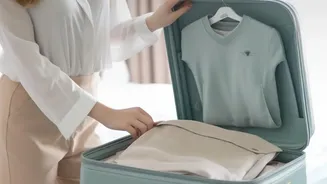
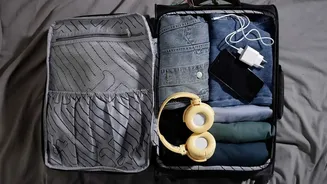
How you pack is just as important as what you pack. Most seasoned travelers swear by a combination of rolling clothes and using packing cubes. Rolling items like t-shirts, knits, and trousers can minimise wrinkles and save a significant amount of space compared to folding. For maximum efficiency, use compression packing cubes, which feature an extra zipper to squeeze out trapped air, potentially saving 30-40% of your bag's volume. These cubes also keep your bag organised, allowing you to separate items by category (tops in one, bottoms in another) so you don't have to rummage through everything to find one shirt.
Pack Dual-Purpose Heroes
To get the most out of your limited space, prioritise items that can serve multiple functions. A large, lightweight scarf or pashmina is perhaps the ultimate multi-tasker; it can be a wrap on a cool evening, a beach cover-up, a head covering, or even a blanket on a chilly plane. Convertible trousers that zip off into shorts offer two pieces of clothing in one. A versatile dress can be worn casually with trainers for sightseeing during the day and dressed up with an accessory for dinner at night. Think about every item's potential before it earns a spot in your bag.
Be Strategic With Shoes and Outerwear
Footwear and coats are the biggest culprits when it comes to weight and bulk. The solution is to wear your heaviest items on the plane. Your bulkiest jacket shouldn't count toward your carry-on allowance if you are wearing it or carrying it. Limit yourself to a maximum of three pairs of shoes: a comfortable pair for walking, a dressier option, and a pair of sandals or flats. Make sure at least one pair is waterproof if your destination calls for it. By strategically wearing your heaviest items during travel, you free up a significant amount of space and weight in your cabin bag.