




1966: The Goal That Wasn't There?
England's only World Cup triumph, on home soil, is forever tied to one of the most contentious goals in history. In extra time against West Germany, with the score level at 2-2, England striker Geoff Hurst's powerful shot struck the underside of the crossbar
and bounced down onto the goal line before being cleared. The English players celebrated, but Swiss referee Gottfried Dienst was unsure. He consulted his linesman, Tofiq Bahramov from the Soviet Union, who confidently signalled that the ball had crossed the line. The goal was given, England went on to win 4-2, and a debate was born. German players were outraged, and to this day, the incident is referred to as the "Wembley goal" in Germany, a term for a goal that shouldn't have been given. Despite numerous studies, modern analysis remains inconclusive on whether the whole of the ball crossed the line, ensuring the controversy never dies.
1974: The Final of Two Penalties
The 1974 final between hosts West Germany and the Netherlands in Munich was historic before it truly began. English referee Jack Taylor awarded the first-ever penalty in a World Cup final after just one minute of play. Dutch star Johan Cruyff was brought down by Uli Hoeness, and Johan Neeskens converted the spot-kick before a German player had even touched the ball. Taylor's bravery in penalising the home nation so early was widely noted. However, the controversy grew in the 26th minute when he awarded a second penalty, this time to West Germany, for a trip on Bernd Hölzenbein. The Dutch argued it was a dive, and the suggestion that Taylor awarded it to "even things up" persisted for years, a claim he always strongly denied. Paul Breitner scored the penalty, Germany went on to win 2-1, and Taylor cemented his place in World Cup folklore.
1990: A Penalty Decides a Bitter Final
The 1990 final between West Germany and Argentina was a notoriously ugly and defensive match, decided by a single, highly disputed moment. In the 85th minute, with the score at 0-0, Mexican referee Edgardo Codesal Mendez awarded a penalty to West Germany. He ruled that Argentine defender Roberto Sensini had fouled Rudi Völler inside the box. Argentina's players, including a furious Diego Maradona, vehemently protested, arguing Sensini had played the ball cleanly. Replays suggested they had a strong case. Despite the protests, the decision stood. Andreas Brehme converted the penalty, securing West Germany's third World Cup. The match ended on a sour note, with Argentina finishing with nine men after two red cards, leaving a legacy of injustice that is still felt in Argentina.
2006: The Fourth Official's Decisive Call
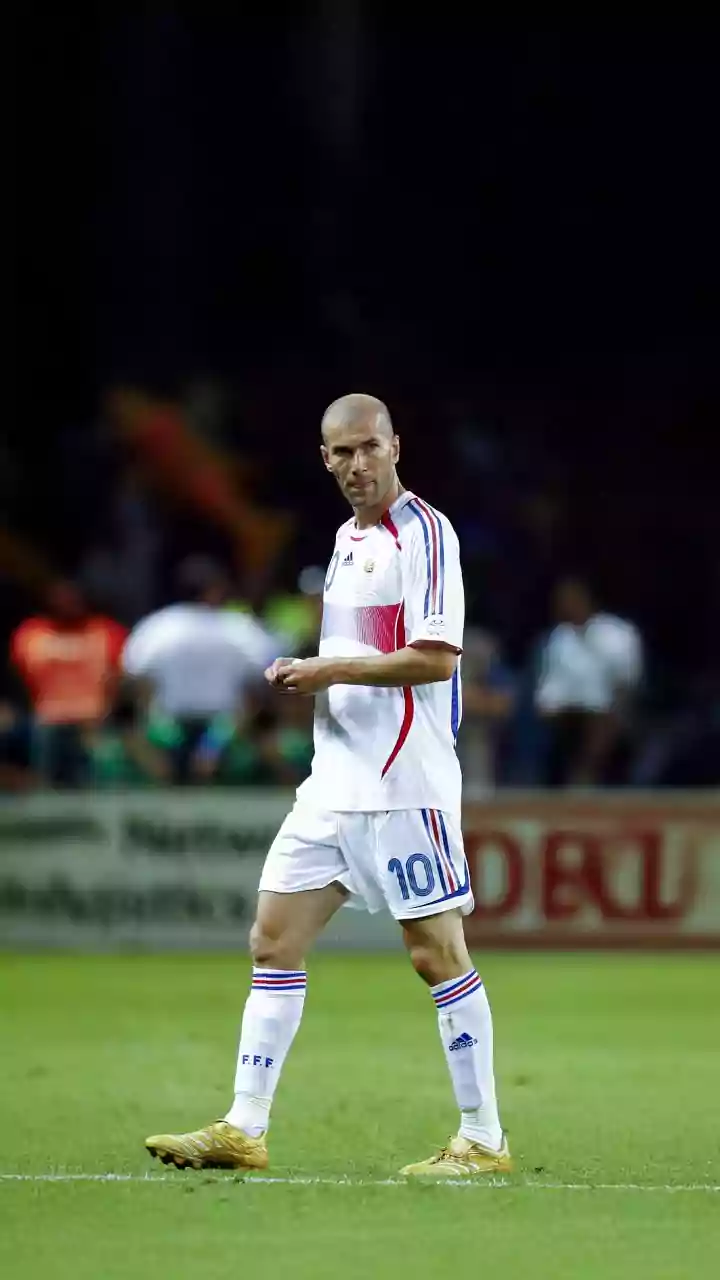
Zinedine Zidane's final match as a professional footballer ended in infamy. In the 110th minute of the 2006 final against Italy, the French captain inexplicably headbutted defender Marco Materazzi in the chest. The incident happened away from the ball, and referee Horacio Elizondo missed it completely. As chaos and confusion reigned, it was the fourth official, Luis Medina Cantalejo, who saw the act and informed the referee via their headset. After a brief consultation, Elizondo showed a stunned Zidane a straight red card. At the time, many believed the decision was made using a video replay, a practice not yet formally allowed, sparking a separate controversy. FIFA and the officials later confirmed the fourth official saw it live. It was a pivotal moment, leaving France without their talisman for the penalty shootout, which they subsequently lost.
2010: The Battle of Johannesburg
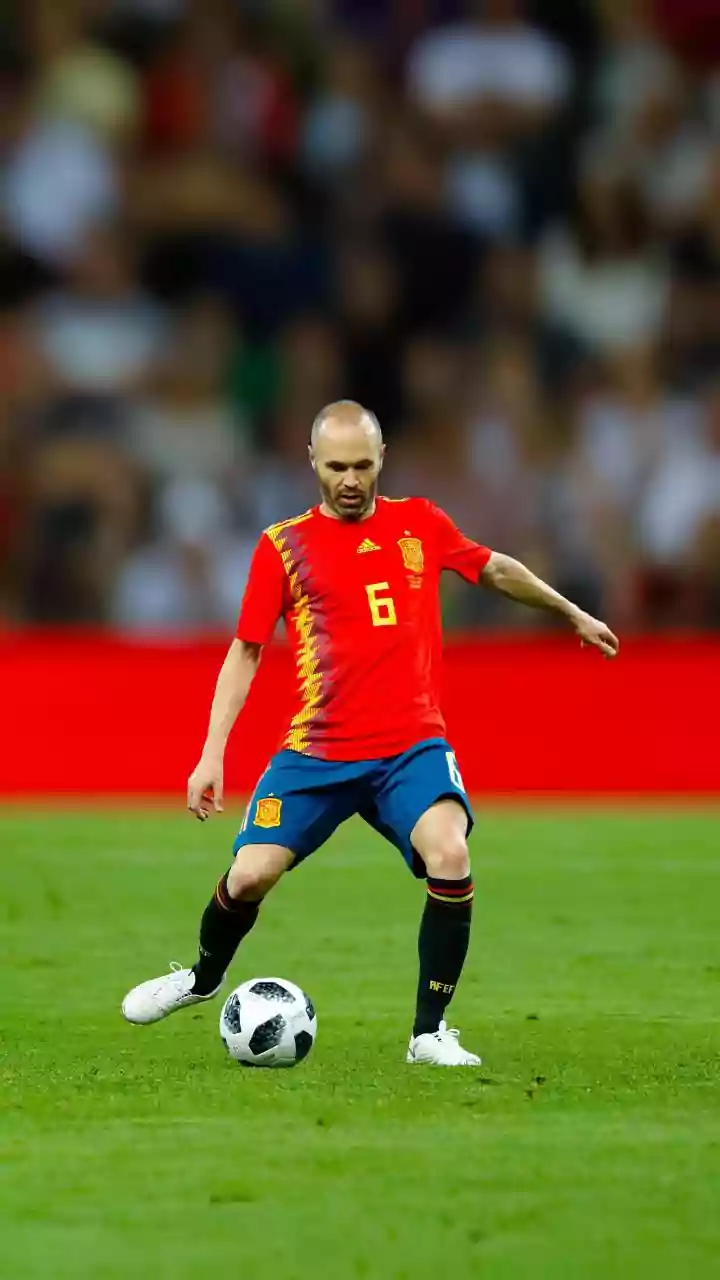
The 2010 final between Spain and the Netherlands wasn't defined by one single error, but by a complete loss of control. English referee Howard Webb struggled to manage an intensely physical and aggressive Dutch team, in a match that set a record for the most cards shown in a World Cup final (14 yellows and one red). The most glaring controversy was Webb's failure to send off Dutch midfielder Nigel de Jong for a 'kung-fu' style kick to the chest of Spain's Xabi Alonso in the first half—a challenge many believe was a clear red card. Webb later defended his performance, stating he felt he had little choice but to manage the game as he did to maintain some level of control in an "extremely challenging match". However, both teams criticized him after the game, and the final is remembered more for its brutality than its football, with Webb caught in the middle.