
Starting your day with a balanced meal is key to managing blood sugar. The good news is, a simple sprinkle of the right seeds on your favourite Indian breakfast can make a world of difference, boosting fibre, protein, and healthy fats.
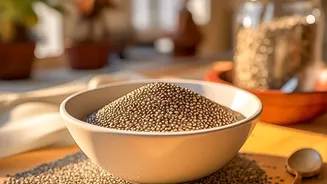
1. Chia Seeds: The Fibre Powerhouse
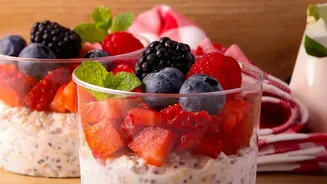
Chia seeds are tiny
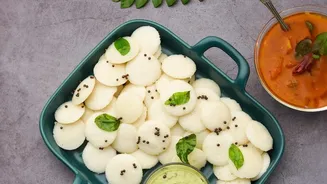
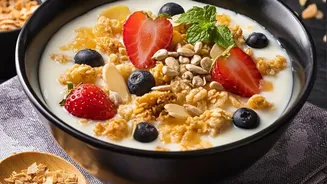
nutritional giants, celebrated for their exceptional fibre content. This is their secret weapon for blood sugar control. When mixed with liquid, chia seeds form a gel-like substance in your stomach. This process slows down digestion and the absorption of carbohydrates, preventing the sharp, sudden spikes in blood sugar that can follow a meal. Rich in soluble fibre, omega-3 fatty acids, and protein, they also help you feel full for longer, which can aid in weight management—a crucial aspect of diabetes care. Studies have shown that regular consumption can lead to better glycemic control and improved insulin sensitivity. How to use: Soak one or two tablespoons of chia seeds in water for 15 minutes and stir them into your morning dahi or smoothie. You can also sprinkle them over a bowl of oatmeal or daliya, or even mix them into idli or dosa batter before cooking.
2. Flaxseeds (Alsi): The Lignan-Rich Stabiliser
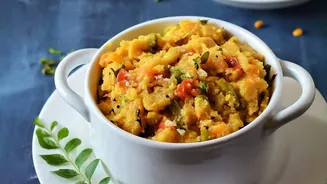
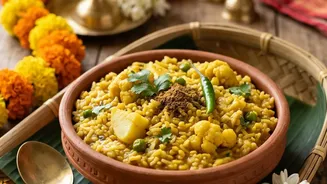
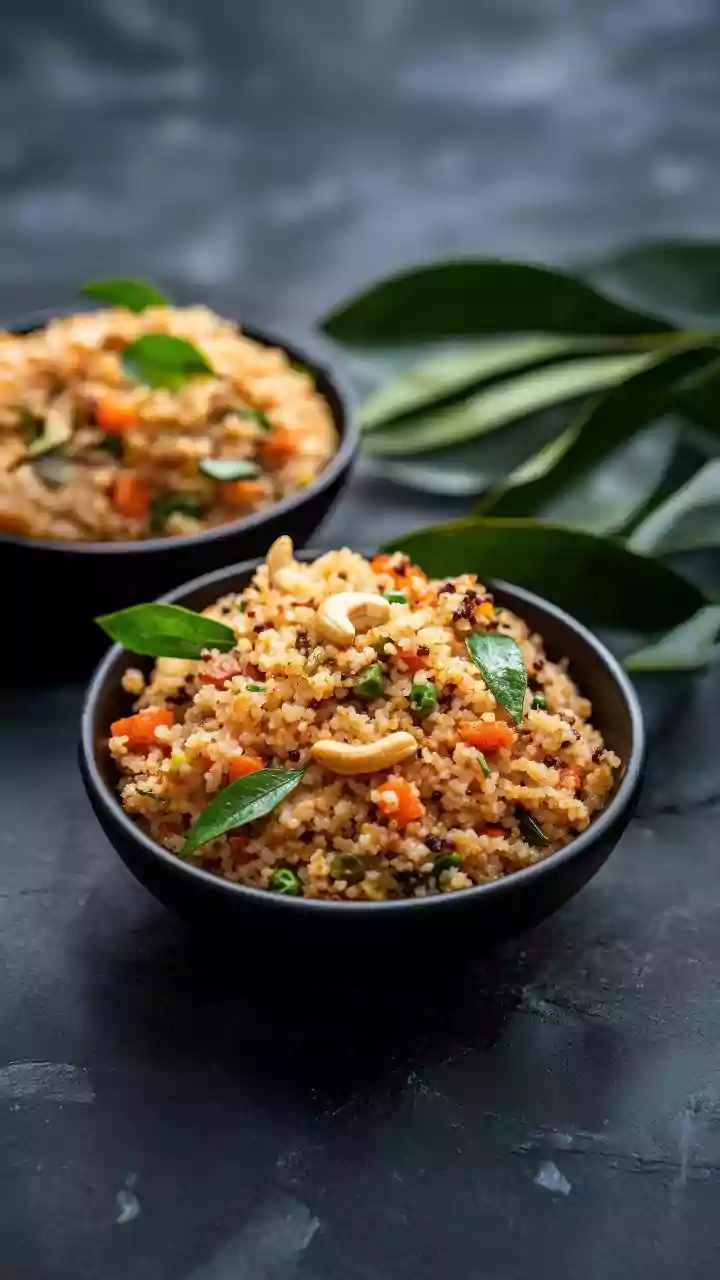
Flaxseeds, or 'alsi' as they are known in India, are another fantastic addition for blood sugar balance. They are packed with soluble fibre and healthy omega-3 fats, specifically alpha-linolenic acid (ALA). This combination slows down the release of sugar into the bloodstream, promoting a more stable glucose response after eating. What makes flaxseeds unique is their high concentration of lignans, which are plant compounds with antioxidant properties that can improve how your body's cells respond to insulin. Research has consistently shown that consuming flaxseeds can help lower fasting blood sugar levels. How to use: For your body to absorb their nutrients, flaxseeds must be ground. Add a tablespoon of ground flaxseed to your chapati or paratha dough, blend it into smoothies, or simply sprinkle it over your morning bowl of poha or upma.
3. Pumpkin Seeds (Kaddu Ke Beej): The Magnesium Boost
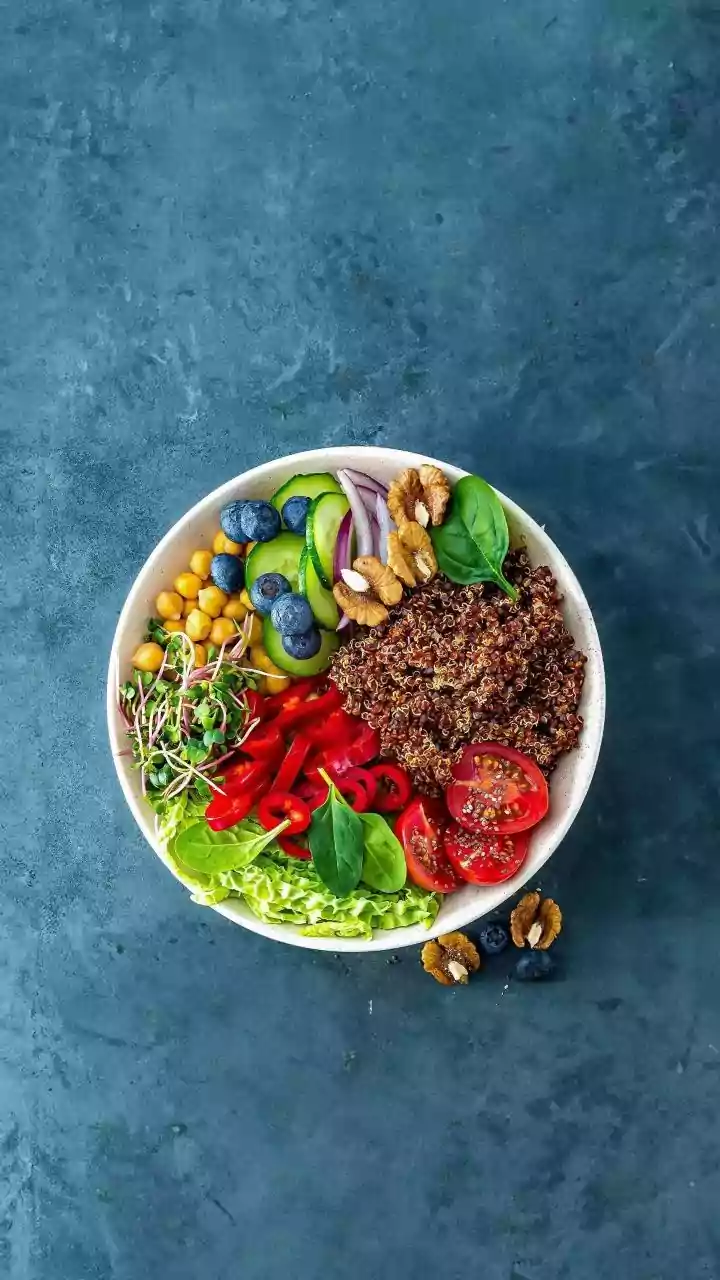
Don't discard the seeds from your next pumpkin. These green seeds are a nutritional treasure, particularly for their high magnesium content. Magnesium is a vital mineral that plays a crucial role in the body’s insulin response and glucose metabolism. A diet rich in magnesium is linked to a lower risk of developing type 2 diabetes. On top of that, pumpkin seeds have a low glycemic index and are a great source of healthy fats, protein, and fibre, which work together to slow digestion and prevent blood sugar from rising too quickly. How to use: Lightly toast a handful of pumpkin seeds and enjoy them as a crunchy snack. You can also sprinkle them over salads, yogurt, or use them as a topping for vegetable sabzis served with your breakfast.
4. Sunflower Seeds: The Heart-Healthy Helper
Sunflower seeds offer a double benefit for those managing blood sugar: they are good for glucose control and heart health. This is important, as diabetes management often involves protecting cardiovascular health. These seeds are rich in protein, healthy fats, and vitamin E, a powerful antioxidant that helps reduce inflammation. The combination of fibre and fat in sunflower seeds helps slow the absorption of sugar into the bloodstream, leading to more stable post_meal glucose levels. Some studies have even shown a significant decrease in fasting blood sugar levels among people who regularly include them in their diet. How to use: Add a tablespoon of unsalted sunflower seeds to your cereal or daliya. They can also be mixed into raita or sprinkled over a plate of fruit for added texture and nutrients.
5. Sesame Seeds (Til): The Antioxidant_Rich Addition
A staple in Indian kitchens, sesame seeds (til) are more than just a garnish. They are low in carbs and high in protein, healthy fats, and fibre. Sesame seeds contain unique antioxidants, including sesamin, which help combat oxidative stress—a factor that can worsen insulin resistance. Regular consumption has been linked to modest improvements in fasting blood sugar and long_term glycemic control (HbA1c). Their nutrient profile supports slow, steady energy release, making them an excellent choice for a balanced breakfast. How to use : Sprinkle toasted sesame seeds over your idli or dosa after they are cooked. You can also blend them into chutneys or mix them into the tempering (tadka) for dishes like poha and upma to add a nutty flavour and nutritional boost.