




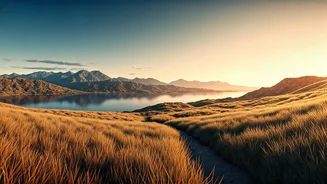


The Remote Work Revolution
The single biggest catalyst for this trend is the normalisation of remote and hybrid work. Post-pandemic, many companies, especially in the tech and creative sectors, have offered employees the flexibility to work from anywhere. This has untethered young
professionals from their city desks, allowing them to blend work and leisure in what is now popularly called a 'workation'. Instead of burning through limited annual leave, they can work from a homestay in Goa or a quiet corner in the Himalayas, using evenings and weekends for genuine exploration rather than rushing through a tourist checklist. This prolonged presence transforms a destination from a place to 'see' into a place to 'live'.
A Search for Authenticity
Today’s young travellers, particularly Gen Z and millennials, are increasingly prioritising authentic experiences over picture-perfect, staged moments. There's a growing desire to move beyond the crowded tourist circuit and connect with a place on a deeper level. A longer stay facilitates this immersion. It allows time for discovering local cafes, understanding neighbourhood rhythms, learning a new skill, or simply observing daily life without the pressure of a tight itinerary. Recent surveys show a strong preference for trips built around nature and cultural immersion rather than just ticking off landmarks. This shift signifies that travel is becoming less of a performance and more of a personal, meaningful journey.
The Surprising Economics of Slow Travel
While it might seem counterintuitive, staying in one place for longer can be significantly more budget-friendly. The concept of 'slow travel' — often defined as staying in one destination for several weeks or even a month — is gaining traction. Longer stays drastically reduce per-day costs. For instance, renting a private apartment or a room in a homestay for a month is often cheaper than booking a hotel for a week. Travellers save on frequent transit costs like flights and airport transfers, and they can cook their own meals, avoiding the expense of daily tourist-priced dinners. One analysis showed that travellers on trips of 28 nights or more spent less than half per day compared to those on shorter trips.
An Antidote to Urban Burnout
The pressures of modern urban life have led to unprecedented levels of burnout, with one recent survey finding that 70% of Indian Gen Z and millennials reported this feeling. In this context, travel is increasingly viewed as a tool for mental wellness and a necessary reset. Longer, slower-paced trips offer a genuine escape from the daily grind. They provide the time to disconnect, reflect, and recharge in a way that a short, frantic holiday cannot. The focus shifts from high-octane activity to relaxation and well-being, whether it's through yoga retreats, nature immersion, or simply having the freedom of an unscheduled day. This makes travel less of a luxury and more of an essential investment in personal health.
Technology and Infrastructure Make It Possible
This lifestyle is also enabled by a robust digital infrastructure. Improved and affordable high-speed internet, even in once-remote locations, is a critical factor. The proliferation of booking platforms for homestays and hostels, alongside co-working spaces in tourist towns, provides the necessary support system for digital nomads and workationers. Hostels, for example, are no longer just about saving money; for Gen Z, they are prioritized for the community and experiences they offer, which are more easily accessed during a longer stay. This combination of connectivity and flexible accommodation makes the prospect of working from a scenic location both practical and appealing.