

From Ski Training to Mainstream Fitness
What was once a summer training method for Finnish cross-country skiers has exploded into a global fitness movement. Nordic walking has shed its niche image and is now embraced by everyone from casual walkers to rehabilitation specialists as an effective,
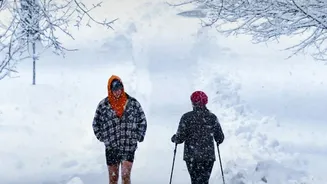
low-impact, full-body workout. Unlike simply carrying trekking poles for balance, Nordic walking uses specially designed poles to actively propel you forward. This technique engages up to 90% of your body's muscles, turning a simple stroll into a powerful cardiovascular and strength-building session. The shift is clear: people are discovering that this activity offers a significant fitness boost without the joint stress of running, making it ideal for everyday health.
It Starts with the Right Poles
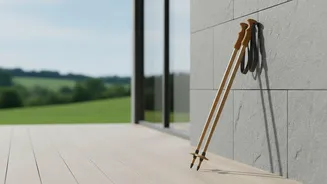
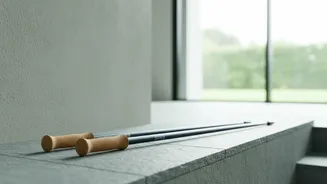
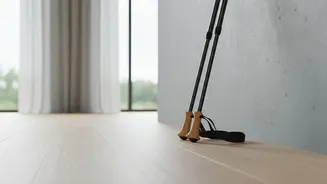
Before you can nail the technique, you need the right tools. Nordic walking poles are not the same as trekking poles used for hiking. Trekking poles are designed for stability on uneven ground, while Nordic poles are built for forward propulsion on varied surfaces. Look for lightweight poles made from carbon composite to absorb vibration and reduce strain on your joints. The length is crucial; a common formula is your height in centimetres multiplied by 0.68. Alternatively, when holding the pole, your elbow should be at a 90-degree angle. Many instructors recommend poles with a glove-style strap, which is integral to the proper technique, allowing you to push off effectively.
Mastering Your Posture and Grip
Proper form begins before you even take your first step. Stand tall, lengthen your spine, and keep your shoulders relaxed and down, not hunched by your ears. Your gaze should be forward, not at your feet. The movement should come from your whole body, not just your arms. Grip the pole handle firmly as your arm swings forward, but the real work happens during the push-off. As your arm swings back, you'll open your hand slightly, pushing through the strap rather than maintaining a tense, clenched grip the entire time. This 'plant, push, and release' motion is fundamental to generating power and avoiding forearm fatigue.
The Arm Swing and Propulsion
The arm swing is the engine of Nordic walking. Unlike regular walking where arm swing can be passive, here it is an active, powerful movement. Your arms should swing from the shoulder, not the elbow, in a pendulum-like motion. As you step forward with one leg, the opposite arm comes forward. The key is to plant the pole tip on the ground between your front and back foot. From there, you push the pole backwards, extending your arm behind your body. This push-off is what propels you forward and engages the muscles of your chest, back, and shoulders. Think of it less as planting the pole in front of you and more as pushing the ground away behind you.
Coordinating Arms and Legs
Nordic walking relies on the body's natural cross-lateral movement: as your right leg moves forward, your left arm swings forward, and vice versa. Beginners sometimes fall into 'pacing', where the arm and leg on the same side move together. This halts the natural torso rotation that powers the movement. If you find yourself doing this, a simple fix is to let the poles drag behind you for a few steps, held only by the straps. Walk normally, allowing your arms to swing freely. This helps your body reset its natural rhythm. Once you feel the opposition motion return, you can grip the poles again and continue with the correct coordination.
Common Mistakes to Avoid
As Nordic walking becomes more popular for everyday fitness, a few common errors have emerged. The most frequent is planting the pole too far in front of the body, which acts as a brake and puts stress on your joints. Another is using only the arms with bent elbows instead of a full swing from the shoulder, which limits the workout and tires you out quickly. Finally, many people simply walk while carrying their poles, missing out on the propulsive push-off that defines the exercise and delivers its full-body benefits. Remember, the poles are not just accessories; they are your primary tools for propulsion and engagement.