








A Modern Twist on Tradition
Walk into the home of a young Indian professional today, and you might notice something different sparkling on the shelves. Instead of mass-produced plastic or minimalist steel, there's a growing presence of traditional copper, or 'tamba'. From elegant
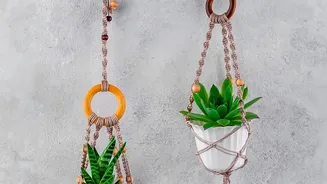
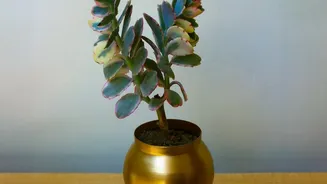
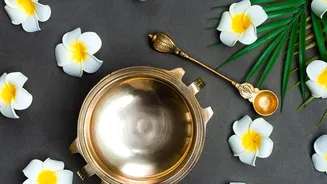
water bottles and hammered planters to small decorative bowls and trays, copper is making a significant comeback. This isn't about recreating a grandparent's kitchen; it's about integrating heritage into a modern, often compact, lifestyle. For a generation defined by its commitment to self-expression and environmental consciousness, copper offers the perfect blend of aesthetic appeal, sustainability, and personal history. It’s a conscious choice to own pieces that tell a story and last a lifetime, a direct counter-narrative to the throwaway culture of recent years.
The Allure of Sustainability
One of the biggest drivers of this trend is Gen Z's focus on sustainability. As awareness grows around the environmental impact of plastic, young homeowners are actively seeking durable, eco-friendly alternatives. Copper fits this need perfectly. It is a natural, recyclable metal that is built to last for decades, not just a season. Choosing a handcrafted copper piece over a plastic one is a vote for longevity and a step away from single-use items. This shift also supports local artisans who use age-old techniques, preserving cultural craftsmanship and ensuring that the money spent contributes to a more sustainable, community-focused economy. Each handmade item carries with it the subtle imperfections and unique character that machine-made goods lack, adding a layer of authenticity that is highly valued.
Wellness and Ancient Wisdom
The revival of copper isn't just about looks or ethics; it's also deeply connected to wellness. Ayurveda, India’s traditional system of medicine, has long advocated for the health benefits of storing water in copper vessels. This practice, known as 'Tamra Jal', is believed to balance the body's three doshas. Scientific studies have shown that copper has natural antimicrobial properties, capable of killing harmful bacteria found in water over several hours—a process known as the oligodynamic effect. While many of the broader health claims like anti-ageing or weight loss are not clinically proven, the antibacterial benefit is well-supported. For health-conscious young adults, drinking from a copper bottle or jug is a simple, daily ritual that connects them to this ancient wisdom.
Caring for Your Copper
Copper is a 'living finish', meaning it naturally develops a patina over time as it reacts with the environment. While many appreciate this unique, aged look, others prefer to maintain its bright, rosy shine. Luckily, caring for copper is simple and doesn't require harsh chemicals. A common and effective method is to use a paste made of lemon juice and salt, or vinegar and salt. Gently rubbing this mixture onto the surface lifts tarnish almost instantly. For detailed or engraved pieces, tamarind paste can be applied and left for a few minutes before scrubbing gently. It is crucial to avoid abrasive scrubbers like steel wool and to always dry the items thoroughly after washing to prevent water spots. With this minimal care, copper pieces can retain their beauty for generations to come.