





Why a Calendar is Non-Negotiable
For landlords, reactive maintenance—fixing things only when they break—is a recipe for financial strain and tenant dissatisfaction. Plumbing issues, in particular, can cause significant water damage if not caught early. A structured maintenance calendar
shifts your approach from reactive to proactive. It allows you to spot potential problems like minor corrosion on pipes, slow drains, or early signs of damp before they escalate into full-blown crises that require expensive, urgent repairs. This planned approach not only preserves the value of your property but also demonstrates to tenants that you are a responsible landlord, fostering goodwill and encouraging them to report small issues promptly.
The Critical Pre-Monsoon Audit
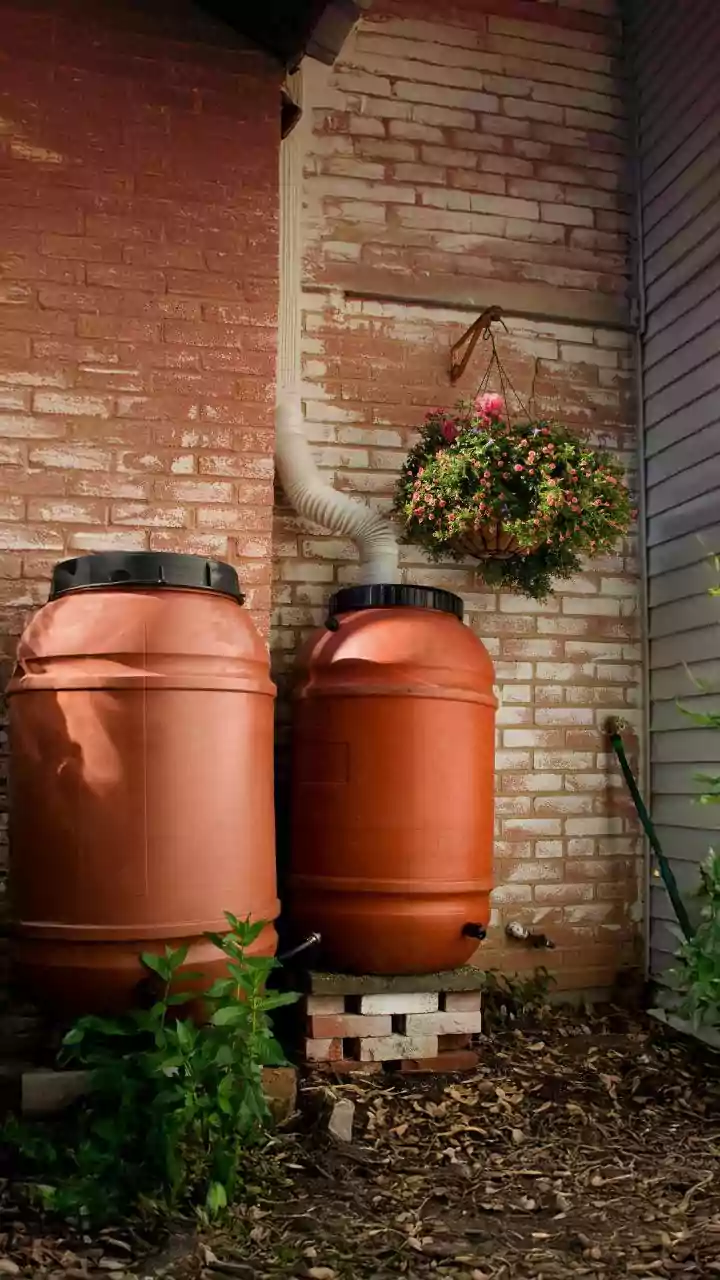
In India, the monsoon season is the ultimate test for any property. A pre-monsoon check is essential to prevent water damage. Start by inspecting the roof and exterior walls for any cracks or gaps where rainwater could penetrate. Ensure all drains, gutters, and downspouts are completely clear of leaves and debris to allow rainwater to flow away from the building's foundation. Check the seals around windows and balconies, as these are common entry points for water. This is also a good time to verify that any exterior electrical fittings are secure and waterproofed. Taking these steps can mean the difference between a dry, secure home and a season spent battling leaks and dampness.
Quarterly Checks for Constant Care
Frequent, simple checks form the backbone of a successful maintenance plan. Every three months, make it a point to inspect for issues that can develop quickly. Test all toilets to ensure they flush properly without running continuously. Check under all sinks for any signs of moisture, mould, or slow leaks from the P-trap. Run water in seldom-used bathrooms to keep the P-traps from drying out, which can allow sewer gases to enter the home. Test all smoke and carbon monoxide detectors and replace batteries if needed. These small, consistent actions take minimal time but are highly effective at preventing common plumbing and safety issues.
Bi-Annual Deep Dives
Twice a year, set aside time for more thorough inspections. Check and clean all air conditioning filters to ensure efficient operation and good air quality, especially before the summer heat arrives. Inspect the caulking and grout around showers, tubs, and sinks. If it's cracked or missing, re-caulking can prevent slow leaks that lead to hidden water damage. This is also a good opportunity to have a pest control treatment done to prevent infestations. For properties with gardens, trim back any trees or shrubs that are growing too close to the house, as they can damage the exterior or roof.
Annual Inspections and Long-Term Health
An annual inspection is your chance to assess the overall health of your property’s core systems. It's highly recommended to have the water heater flushed to remove sediment, which extends its life and improves efficiency. Consider hiring a licensed plumber to conduct a full review of the plumbing system, including checking for hidden leaks, testing water pressure, and scoping the main drain line for any blockages from roots or debris. This is also the time to perform a thorough check of major appliances like washing machines, inspecting their hoses for any signs of brittleness, swelling, or corrosion. These annual tasks protect your big-ticket items from premature failure.