






The Race Against Rot
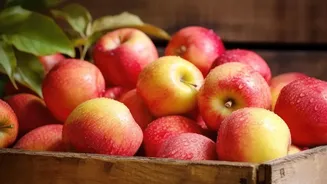
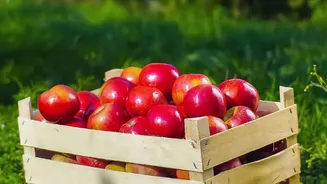
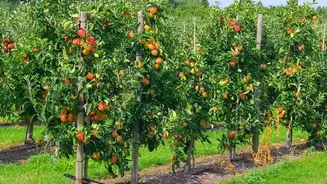
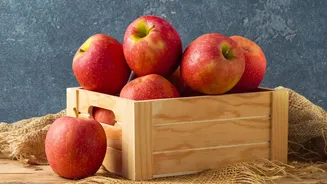
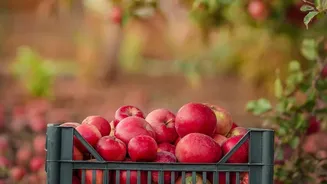
Every year, as orchards across Kashmir Valley burst with apples, a familiar anxiety sets in for growers. Traditionally, the period immediately following the harvest is a frantic rush to sell. Without adequate storage, farmers have been forced to offload
their produce quickly, often flooding the market and causing prices to crash. This created a system of distress sales, where farmers had little to no bargaining power. The alternative was watching a significant portion of their livelihood spoil before it could ever reach consumers, a loss compounded by transport delays and other logistical hurdles. Studies have shown that post-harvest losses could range from 10 to 25 percent, representing a massive financial blow to the individual farmer and the regional economy, which relies heavily on horticulture. This vulnerability has long defined the apple trade, leaving growers at the mercy of the clock and market middlemen.
Enter Controlled Atmosphere Technology
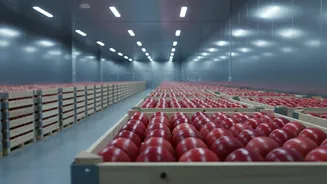
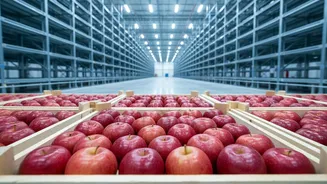
The game-changer has been the proliferation of Controlled Atmosphere (CA) storage facilities. Unlike conventional cold storage, CA technology does more than just cool the fruit. It carefully manages the entire environment inside a sealed chamber, precisely controlling temperature, humidity, and the levels of oxygen and carbon dioxide. By reducing oxygen and increasing carbon dioxide, the system dramatically slows down the apple's natural ripening and aging process. This scientific intervention effectively puts the fruit into hibernation, preserving its freshness, crispness, and flavour for months instead of weeks. An apple stored in a CA facility in October can emerge in April or May as if it were just picked, ready for market. This technology is not just about preservation; it's about extending the selling window from a few frantic weeks to nearly the entire year.
From Survival to Market Strategy
For farmers who can access CA facilities, the benefits are transformative. The power to store their harvest safely gives them unprecedented market leverage. Instead of being price-takers during the harvest glut, they can become strategic sellers, choosing to release their produce when demand is high and prices are favourable. This shift has been described by many growers as a lifeline, protecting them from distress sales and improving their bargaining power. The ability to wait for better rates means higher profit margins, allowing farmers to recover their costs and reinvest in their orchards with better equipment and farming techniques. It turns the harvest from a short-term gamble into a long-term asset, providing much-needed income stability for families that have long lived season to season.
Challenges and the Road Ahead
Despite its success, the CA revolution is not yet complete. A key challenge is accessibility. The high cost of storage can be a barrier for small and marginal farmers, who make up a large portion of the growers in Kashmir. This has, in some cases, widened the gap between large orchardists and smaller ones. Furthermore, the region's total CA storage capacity is still estimated to be only about half of what is required, highlighting an urgent need for expansion. Events like the panic-harvest of 2025, caused by bad weather and highway blockages, showed that even CA stores have limits, especially when flooded with prematurely picked, lower-grade fruit. Experts stress that CA technology preserves quality; it cannot create it. Therefore, the future depends not only on building more facilities but also on making them inclusive through cooperative models and subsidies, while also training farmers in best practices for harvesting and grading.