



The Search for Something Real
Modern travel is undergoing a significant shift. For years, the goal was to see as much as possible, ticking off famous landmarks from a bucket list. But a new mindset is taking hold, driven by a desire for genuine connection over fleeting photo opportunities.
This trend, often called 'experiential' or 'slow' travel, prioritises depth over distance. It's less about where you go and more about how you experience it. Travellers, particularly younger demographics and millennials, are no longer content to be passive observers. They want to participate in the local culture, learn ancient crafts, join in festivals, and understand the daily rhythms of the places they visit. This search for authenticity is leading them away from the predictable and towards the unscripted charm of India's vast rural landscapes.
What Slow and Local Travel Looks Like
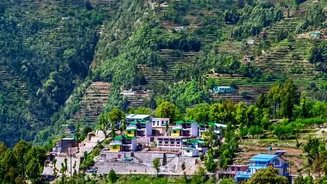
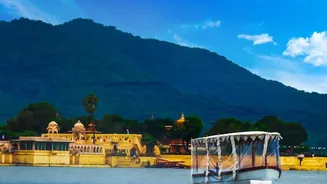
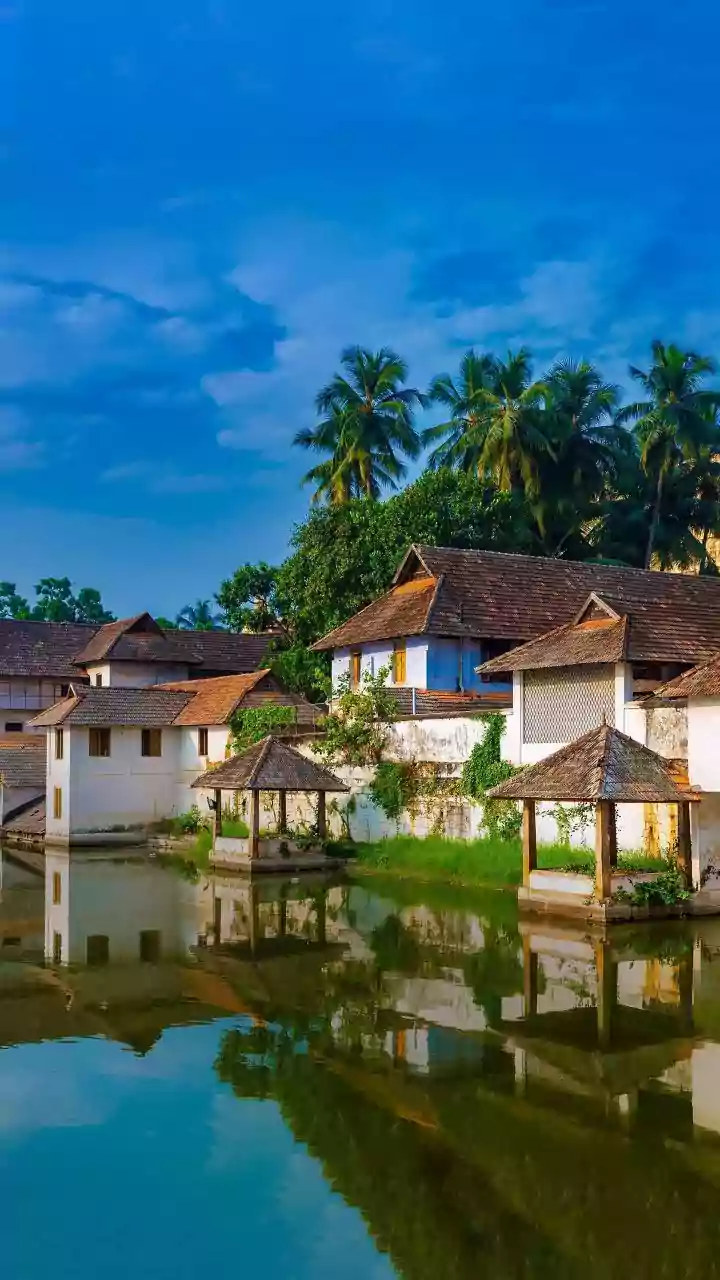
Slow travel isn't just a vacation; it's an immersion. In the context of rural India, it means swapping a hotel room for a family-run homestay in the hills of Uttarakhand or a heritage property in Rajasthan. Instead of a quick meal at a multi-cuisine restaurant, it involves learning to cook regional dishes with your hosts or eating freshly prepared food at a local dhaba. Activities are centred on connection: exploring villages with a local guide, visiting farms to understand traditional agricultural practices, or simply sharing stories with the host family. The goal is to distribute tourist income directly to villagers, reduce the strain on overcrowded cities, and encourage a form of travel that is sustainable by nature. This model is growing largely through the use of existing housing, making it a low-capital way to enter the tourism market.
An Economic Lifeline for the Countryside
The rise of rural tourism is more than just a travel trend; it's a potential engine for local economic development. When travellers choose to stay in village homestays and engage with local businesses, their spending has a direct and powerful impact. It creates a diverse range of employment opportunities—for guides, cooks, artisans, and transport providers—that can help reduce the migration of young people from villages to cities in search of work. This tourism model also provides a vital incentive to preserve local culture. Handicrafts, folk traditions, and regional cuisines become valuable assets to be shared with visitors, ensuring their survival for future generations. Government initiatives like the Swadesh Darshan scheme and the promotion of tribal homestays are also helping to formalise this sector and provide financial support for its growth.
Navigating the Path to Sustainability
While the potential is immense, the road to successful rural tourism is not without its challenges. One of the primary hurdles is the need for adequate infrastructure, such as good roads and reliable connectivity in remote areas. There is also the risk of 'greenwashing', where sustainability becomes a marketing term rather than a genuine practice. To be truly beneficial, growth must be carefully managed to avoid putting a strain on local resources like water and waste management systems. Ensuring consistent quality and safety standards across a fragmented network of homestays is another key challenge. For rural tourism to be a long-term success, it requires a delicate balance between encouraging visitors and protecting the very environment and culture that make these destinations so appealing in the first place.