






The Humidity Problem
When you work out in high humidity, your sweat doesn't evaporate easily from your skin. This is your body's primary cooling mechanism, so when it's impaired, your internal temperature rises faster. To compensate, your body works overtime, producing even
more sweat. This excessive sweating doesn't just mean losing water; it means you're flushing out vital minerals called electrolytes. These minerals, including sodium, potassium, calcium, and magnesium, are essential for nerve function, muscle contractions, and maintaining fluid balance. Losing them too quickly can lead to fatigue, muscle cramps, dizziness, and a significant drop in performance.
Coconut Water: Nature's Refreshment
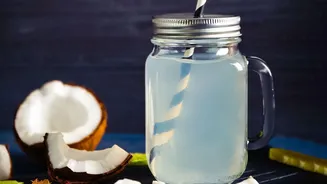
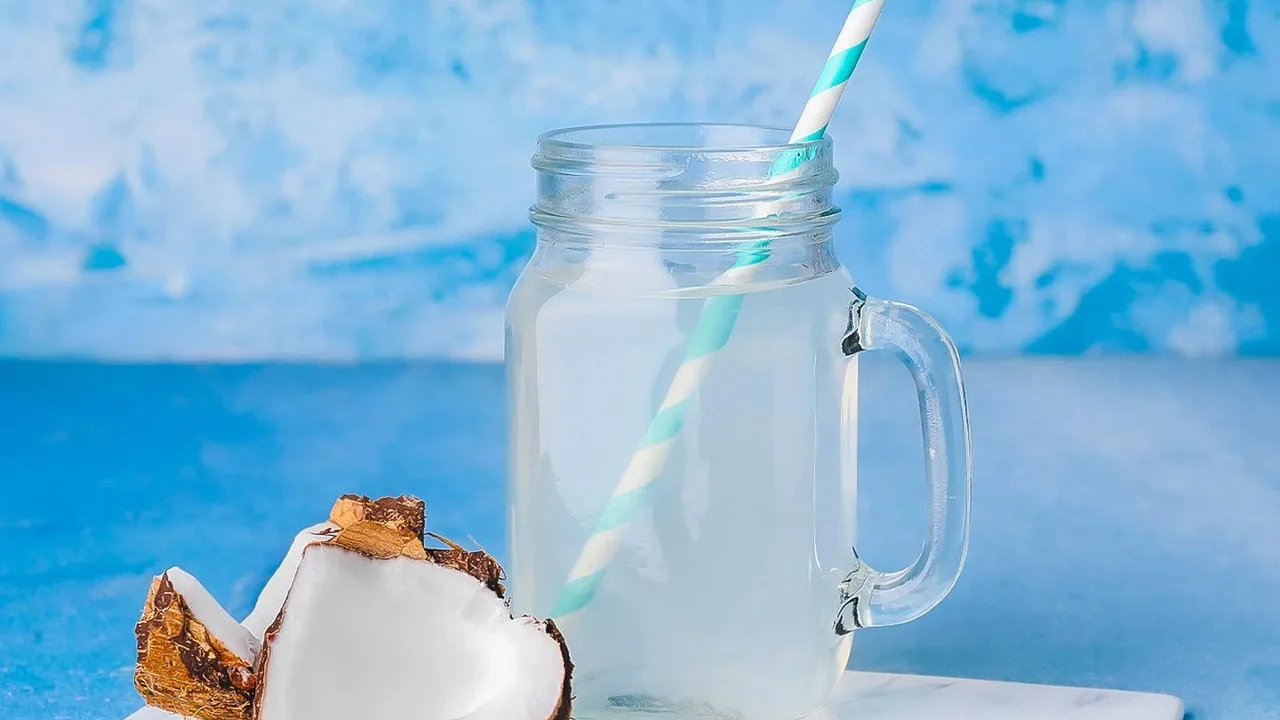
Coconut water is often called 'nature's sports drink' for a good reason. It is naturally rich in electrolytes, especially potassium. Potassium is a crucial player in muscle function and helps regulate fluid balance inside your cells. A single cup of coconut water can contain more potassium than a banana. It also provides other electrolytes like magnesium and calcium. This makes it an excellent base for a hydration drink, offering a natural, low-sugar alternative to many commercial sports beverages that can be high in artificial additives.
The Power of a Pinch of Salt
While coconut water is a potassium powerhouse, it is relatively low in sodium. Sodium is the main electrolyte you lose through sweat, and it's critical for hydration. It plays a key role in helping your body retain fluid and maintain blood volume. Adding a pinch of rock salt (like sendha namak) does more than just enhance the flavour; it transforms your drink into a more complete electrolyte solution. This sodium-potassium partnership is vital for proper muscle function, with sodium helping to initiate muscle contractions and potassium helping muscles relax. This balance is what prevents cramping and helps maintain endurance during intense sessions.
A Squeeze of Lemon for the Win
The addition of lemon juice serves two main purposes. First, the bright, zesty flavour makes the drink more palatable, which encourages you to drink more and stay better hydrated. Secondly, lemon juice is a great source of Vitamin C, a powerful antioxidant. Exercise naturally generates free radicals, which can cause muscle damage and soreness. Antioxidants help neutralise these compounds, potentially aiding in recovery. While the primary benefit is taste, the vitamin boost is a welcome bonus. This simple citrus twist rounds out the drink, making it both effective and refreshing.
Your DIY Power-Up Recipe
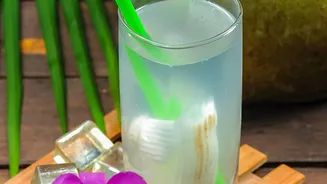
Creating this natural hydration hero is incredibly simple. You don't need a blender or any fancy equipment. For a single serving, mix the following in a glass or your water bottle: - 250-300 ml of fresh, unsweetened coconut water. - A generous pinch of rock salt (to taste, start with about 1/8th of a teaspoon). - The juice of half a lemon or lime. Stir or shake well until the salt is dissolved. For an extra cooling effect, serve it chilled or over ice. You can prepare this just before your workout or make a larger batch to keep in the fridge. The goal is to create a drink that tastes pleasantly balanced—not too salty and not too sour—so you'll want to sip it throughout your exercise session.
Natural vs. Commercial Drinks
So how does this homemade concoction stack up against the brightly coloured drinks lining supermarket shelves? Commercial sports drinks are scientifically formulated to replace fluids and electrolytes, and they are effective. However, they often contain high amounts of sugar, as well as artificial colours and flavours. Your DIY coconut water drink provides essential electrolytes without the processed sugars and additives. For most recreational exercisers, even those working out intensely in the heat, this natural alternative is an excellent and cost-effective way to stay hydrated and energized. It provides the key minerals lost in sweat in a simple, whole-food form.