








The Global Money Squeeze
Over the last few years, central banks around the world, most notably the U.S. Federal Reserve (the Fed), have been raising their main interest rates. Their goal is to control inflation in their own economies. Think of the Fed as the central bank of the world's
largest economy; its decisions create a ripple effect across the globe. When the Fed raises rates, it makes borrowing in US dollars more expensive for everyone, including international banks and financial institutions. This creates a chain reaction that eventually reaches the pockets of students in India.
How Global Rates Affect Indian Lenders
Indian banks and Non-Banking Financial Companies (NBFCs) like HDFC Credila and Avanse, which are major players in the overseas education loan market, don't just use domestic funds. They often borrow money from international markets in foreign currencies to fund the large-ticket loans required for studying abroad. When the U.S. Fed raises its rates, the cost for these Indian lenders to borrow that money goes up. This increased 'cost of funds' is a critical component of the interest rate they eventually charge students. In essence, if it costs more for your bank to get money, it's going to cost you more to borrow it from them.
The Double Impact of a Stronger Dollar
Higher interest rates in the U.S. also make the dollar a more attractive currency for investors, causing it to strengthen against others, including the Indian rupee. This has a twofold negative effect. First, the cost of your education itself goes up in rupee terms. A $50,000 tuition fee becomes significantly more expensive when the rupee weakens. Second, this currency depreciation further increases the risk and cost for Indian lenders. They are lending in rupees for an expense priced in dollars, a gap that widens as the rupee falls. This can lead to students needing to take larger loans or even top-up loans to cover the shortfall, often at higher interest rates.
Understanding Your Loan's Interest Rate
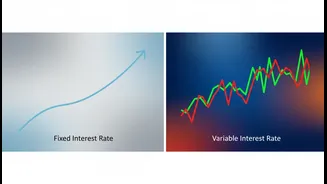
Most education loans for studying abroad come with a floating interest rate. This rate is typically made of two parts: a benchmark rate (which is influenced by the RBI's repo rate and global trends) and a 'margin' or 'spread' that the lender adds on top. This margin is the lender's profit and also covers their risk. When their own borrowing costs rise due to global central bank shifts, lenders protect their profitability by increasing the margin they charge on new loans. This is why aspiring students are now facing higher interest rate offers, even if their personal profile is strong. A 1% increase in your interest rate can mean paying lakhs more over the lifetime of the loan.
What Can Students Do?
While you can't control global monetary policy, you can be a smarter borrower. First, start your financial planning early and account for potential currency fluctuations in your budget. Don't just look at the advertised headline interest rate; compare the total cost of the loan, including processing fees, moratorium period interest (whether it's simple or compounded), and other charges. Apply to multiple lenders, including public sector banks like SBI, which may offer lower rates but have stricter collateral requirements, and NBFCs, which might be faster but more expensive. Aggressively search for scholarships and assistantships to reduce the principal loan amount you need. Finally, understand the loan agreement thoroughly before signing.