




The Rain Is Not the Enemy
Let’s clear this up first: Rainwater itself will not make you sick. Colds, the flu, and other viral infections are caused by pathogens, not by temperature or getting wet. So why does the myth persist? The association is strong because the conditions during
the rainy season create a perfect storm for germs to thrive and spread. The drop in temperature, high humidity, and our tendency to huddle indoors in poorly ventilated spaces are the real culprits. Viruses, like the rhinovirus (which causes the common cold), survive longer in humid air and can transmit more easily from person to person when we're in close proximity. So, it's not the rain, but the environment it creates.
Boost Your Body’s Defences
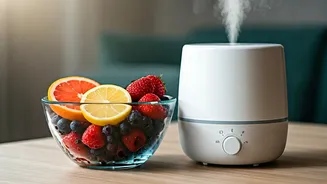
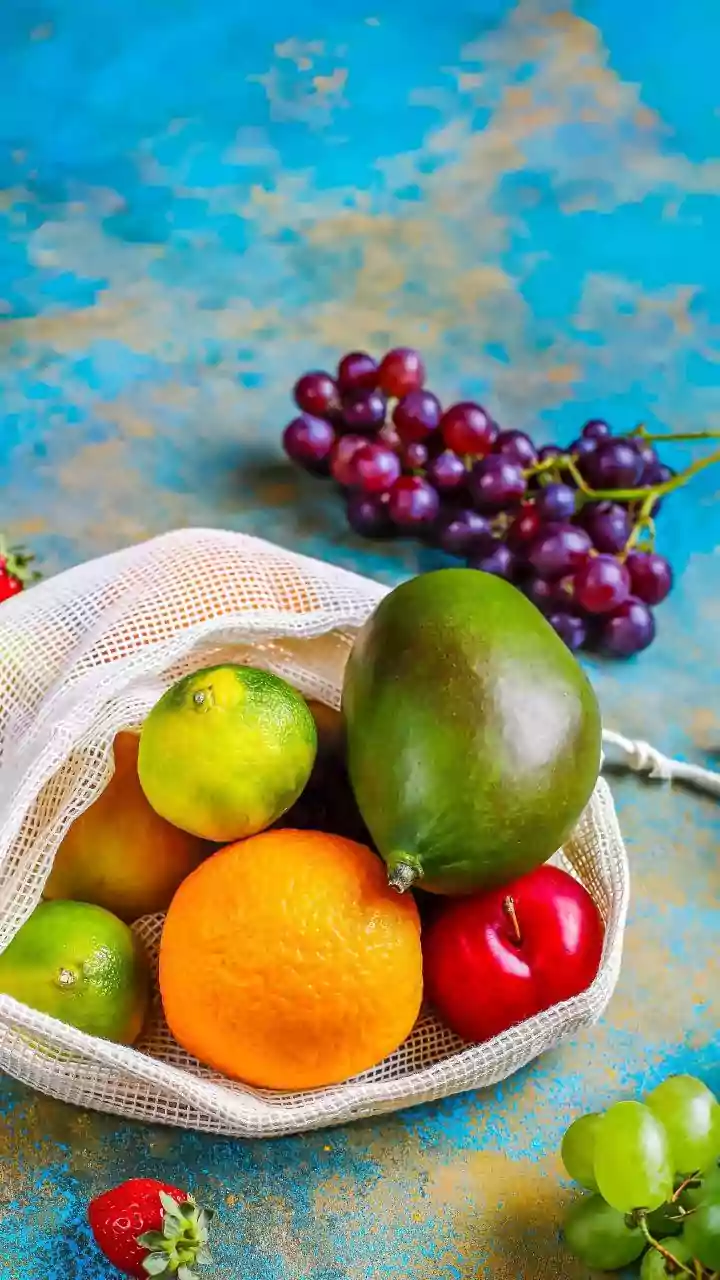
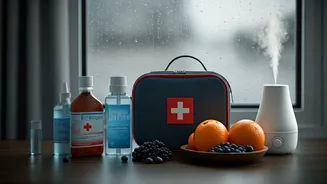
Your immune system is your first line of defence. The monsoon season is the perfect time to give it some extra support. Start with your diet. Incorporate foods rich in Vitamin C, like amla, oranges, lemons, and bell peppers, to help your body fight off infections. Spices with anti-inflammatory and antibacterial properties, such as turmeric and ginger, are excellent additions to your meals. A warm bowl of soup is not just comforting; it’s hydrating and can help clear nasal congestion. It’s also wise to be cautious about street food, especially items that are uncooked or exposed to the elements, as they can be a source of water-borne bacteria.
Be Smart About Water
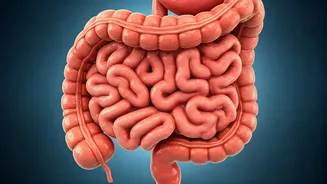
The risk of water-borne diseases like typhoid, cholera, and gastroenteritis increases significantly during the monsoon due to contamination of water sources. The simplest and most effective precaution is to ensure the water you drink is safe. Always opt for boiled or purified water. Avoid drinking water from outside sources unless you are certain it is filtered. This extends to the ice in your drinks as well. When washing vegetables and fruits, especially leafy greens, be extra thorough. A quick rinse might not be enough to wash away the mud and microbes that can cause stomach infections.
Fight Pests and Dampness at Home
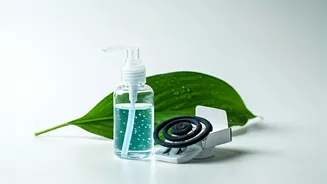
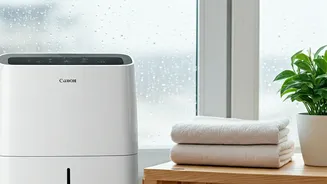
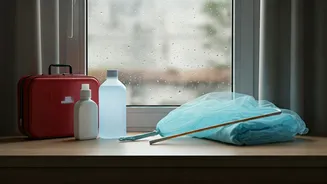
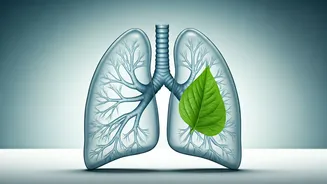
Your home environment plays a crucial role. The rainy season is prime breeding time for mosquitoes, which carry diseases like dengue, malaria, and chikungunya. Don't let water stagnate in or around your home—check flower pots, coolers, and any open containers. Using mosquito nets and repellents is a non-negotiable habit. Indoors, dampness can lead to the growth of mould and fungus, which can trigger allergies and respiratory issues. Ensure your home is well-ventilated. If you get caught in the rain, change out of your wet clothes immediately. Staying in damp clothing for long periods can lower your body temperature and potentially make you more susceptible to infections.
Practise Impeccable Hygiene
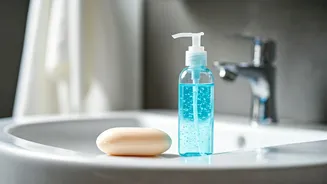
This might sound basic, but it’s the most powerful tool in your arsenal. The simple act of washing your hands frequently with soap and water can prevent the spread of a vast number of infections. Carry a hand sanitiser for times when you don't have access to water. Avoid touching your face—especially your eyes, nose, and mouth—as this is the primary way germs enter your body. Keeping your nails short and clean also reduces the places where germs can hide. These small, consistent habits make a massive difference in keeping you and your family healthy throughout the season.