



Choose Your Green Companions
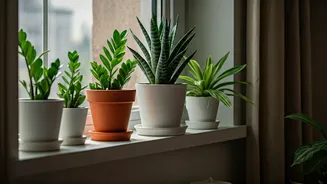
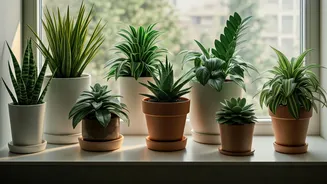
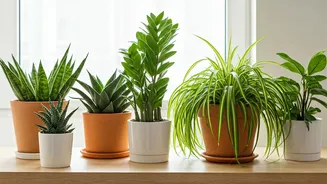
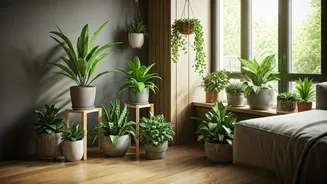
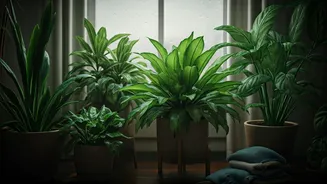
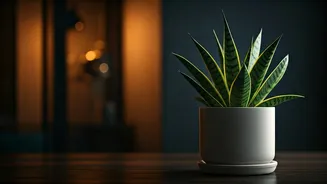
The foundation of your indoor garden is choosing the right plants. For small apartments with variable light, focus on resilient and compact varieties. The Snake Plant is a top choice because it grows vertically, taking up minimal floor space, and tolerates
low light. Similarly, the ZZ Plant is nearly indestructible, requiring water only every few weeks and thriving even in dim corners. The popular Money Plant, or Pothos, is another excellent beginner-friendly option; you can let it trail from a shelf or train it to climb, saving precious surface area. These plants are known for being low-maintenance and are perfect for busy schedules.
Find the Perfect Pots and Soil
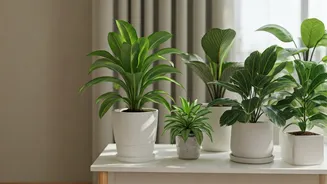
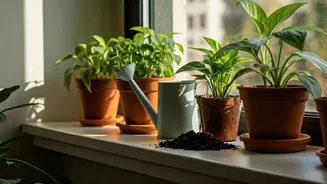
The right container is crucial for plant health, especially indoors. Always choose pots with drainage holes at the bottom. This prevents water from pooling, which can lead to root rot—a common issue for new plant owners. For beginners, porous terracotta pots are a great option as they allow soil to dry out faster, reducing the risk of overwatering. When it comes to soil, don't just use soil from outdoors. A high-quality indoor potting mix is essential. These mixes are specially formulated to provide the right balance of drainage and aeration that potted plants need to thrive. For succulents, a specific cactus mix with extra sand is even better.
Assemble Your Essential Toolkit
You don't need a lot of gear to get started, but a few key tools make a world of difference. First, a watering can with a long, narrow spout allows you to water the soil directly without splashing the leaves or making a mess. Second, consider a soil moisture meter. This simple device takes the guesswork out of watering by telling you exactly how moist the soil is below the surface, helping you avoid both overwatering and underwatering. Finally, a small pair of sharp pruning scissors or snips is useful for trimming away any yellow or dead leaves, which keeps your plants healthy and looking tidy.
Mastering Light and Location
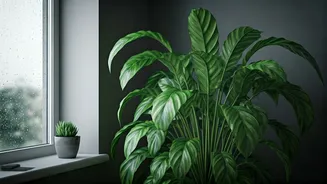
Light is food for plants, but every plant has different needs. Before placing your new plant, observe the light in your flat. A spot near a window that gets bright, indirect sunlight is often ideal for many houseplants. Direct, harsh sun can scorch the leaves of some plants. If your apartment has limited natural light, don't worry. Snake Plants and ZZ Plants are famous for their ability to tolerate lower light conditions. To ensure even growth, it's a good habit to rotate your plants every few weeks so that all sides get some exposure to the light source.
The Golden Rule of Watering
More indoor plants die from overwatering than from anything else. Instead of watering on a strict schedule, check the soil first. A simple trick is to stick your finger about an inch into the soil; if it feels dry, it's time to water. If it's still damp, wait a few more days. When you do water, do it thoroughly until water runs out of the drainage hole, then discard the excess water from the saucer. Plants like succulents and cacti are drought-tolerant and prefer their soil to dry out completely between waterings. Getting a feel for your plants' needs is the most important skill you will develop as a plant parent.