


Chiricahua National Monument, Arizona
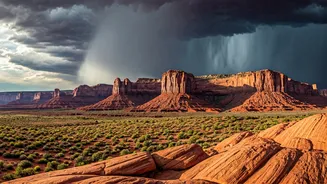
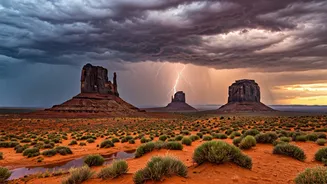
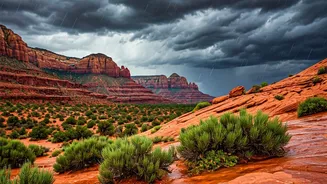
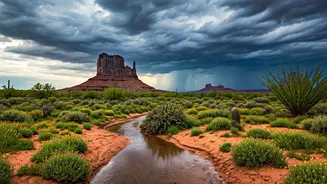
Often called a "sky island," this wonderland of volcanic rock spires becomes a different world during the summer monsoon. While valley floors bake, the higher elevations of the Chiricahuas catch moisture, erupting in near-daily thunderstorms that are
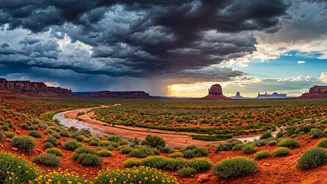
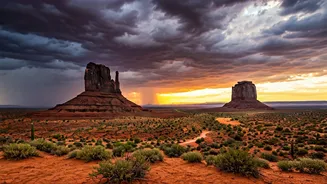
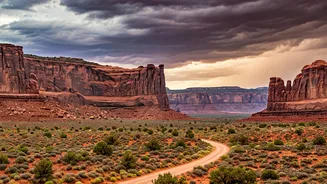
a spectacle in themselves. The rains wash the air clean, leaving behind the intoxicating scent of wet pine and stone. After a storm, the desert floor, normally muted, explodes with green grasses and vibrant wildflowers. It’s a hiker's paradise, but be sure to start early and be off the trails by early afternoon when the storms typically build. The real magic is watching the lightning crackle over the rock formations known as the 'Wonderland of Rocks' from a safe viewpoint.
Jemez Mountains, New Mexico
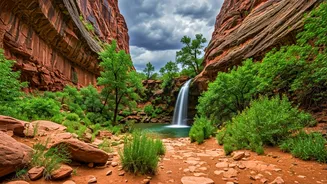
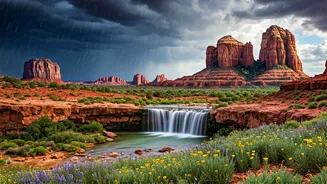
Just a short drive from Santa Fe, the Jemez Mountains offer a green, cool escape that feels a world away from the high desert. During the monsoon season (locally called 'los chubascos'), the landscape is transformed. Waterfalls that are mere trickles for most of the year, like the one at Jemez Falls, become roaring cascades. The Valles Caldera National Preserve, a massive volcanic crater, turns into a sprawling green meadow dotted with grazing elk under dramatic, cloud-filled skies. The drive along the Jemez Mountain Scenic Byway becomes a journey through shifting weather, moving from brilliant sun to a sudden, cooling downpour and back again. For a perfect monsoon day, take a post-rain soak in one of the area's natural hot springs.
Organ Mountains-Desert Peaks, New Mexico
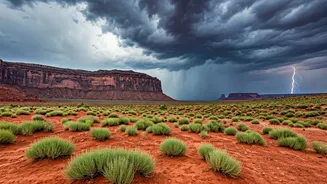
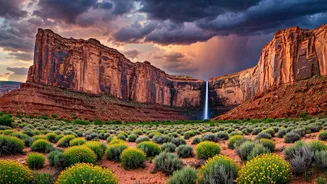
The jagged, needle-like peaks of the Organ Mountains near Las Cruces are one of New Mexico's most stunning geological features. During the monsoon, they become a dramatic backdrop for mother nature's best light show. The dark, granite spires seem to attract thunderstorms, creating incredible photo opportunities as lightning forks across the sky. After the rain passes, the setting sun often breaks through the clouds, bathing the wet mountains in a warm, golden light that makes them appear to glow from within. The Chihuahuan Desert landscape at the base of the mountains quickly greens up, offering a brief but beautiful window of lushness. It's a prime spot for photographers and anyone who appreciates raw, untamed landscapes.
Santa Catalina Mountains, Arizona
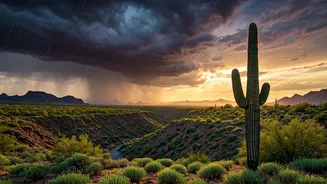
For residents of Tucson, the monsoon is a celebrated communal experience, and the Santa Catalina Mountains are the main stage. The Catalina Highway, also known as the Mount Lemmon Scenic Byway, is one of the most breathtaking drives in the Southwest. As you ascend from the cactus-studded desert floor to the pine forests at 9,000 feet, you travel through multiple climate zones. During the monsoon, this drive offers a front-row seat to the action. You can watch massive storms build over the Tucson valley below or find yourself driving through a cloud. After a heavy rain, temporary waterfalls cascade down the rocky cliffs along the highway, and the normally dry Sabino Canyon can flow with surprising force.
White Sands National Park, New Mexico
White Sands is magical any time, but a monsoon storm adds a layer of surreal drama. Picture this: the sky turns a bruised purple-grey, creating an astonishing contrast with the pure white gypsum dunes. Then the rain begins to fall, and a phenomenon unique to this place occurs. The rain darkens the sand and fuses the top layer of gypsum, making the dunes firmer and easier to walk on. The air cools dramatically, and the scent of desert rain—petrichor—is especially potent here. When the storm breaks, the clouds often create some of the most spectacular sunsets imaginable, with colors reflecting off the wet sand in every direction. It’s an otherworldly experience that turns a familiar landmark into a temporary, moody masterpiece.