






Choose Your Fabrics Wisely
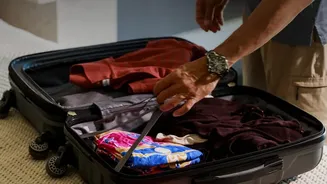
The single biggest mistake in monsoon packing is relying on cotton. While breathable, cotton absorbs moisture and can take hours, if not days, to dry in high humidity, leaving you with a damp and heavy bag. Instead, prioritise synthetics. Materials like
polyester, nylon, and performance blends with elastane are designed to be quick-drying and water-resistant. They repel moisture rather than soaking it up. For a one-week trip, a capsule wardrobe built on two or three quick-dry tops, a pair of fast-drying trousers, and moisture-wicking underwear forms a reliable core. While fabrics like linen are breathable, they are best for less rainy, humid days as they still absorb water.
Rethink Your Footwear Strategy
Monsoon footwear is about balancing protection, grip, and the ability to dry quickly. Leather shoes, unless specifically treated for water resistance, can be easily damaged. Heavy rain boots are often too bulky and impractical for most trips. The ideal approach involves a two-shoe system. First, a pair of water-friendly sandals or floaters with good grip for walking through wet streets or on slippery paths. Second, a completely dry pair of shoes, like sneakers, to change into for evenings, long travel days, or once you are indoors. Always pack extra pairs of socks, preferably made from merino wool or synthetics, which dry faster than cotton and retain warmth even when damp.
Protect Electronics From Rain and Humidity
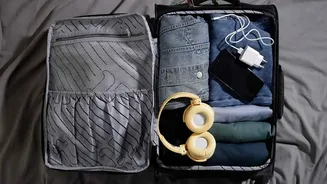
Water damage is the most obvious threat to electronics, but pervasive humidity during the monsoon can be just as destructive. Simply having a waterproof backpack is not enough. Create a multi-layered defence system. Start with high-quality zip-lock bags or dedicated dry bags for your phone, camera, and power bank. For added protection against moisture, toss a few silica gel packets into your electronics case. These small sachets absorb ambient humidity, keeping sensitive circuits safe. It is also wise to ensure your important documents, like your Aadhaar card and tickets, are stored in a separate waterproof pouch.
Upgrade Your Outer Layer
The choice between an umbrella and a raincoat often comes down to the situation. An umbrella is great for city walks with light rain but can be useless against the strong winds common in coastal or hilly areas. A good quality, hooded rain jacket or poncho offers superior protection and keeps your hands free. Look for rainwear with sealed or covered seams, as this prevents water from seeping through the stitching. A breathable rain jacket is also crucial; without it, you can end up just as damp from trapped condensation as you would from the rain itself.
Don't Forget Health and Safety
The monsoon brings its own set of health considerations. The damp environment is a breeding ground for mosquitoes and other insects, making a good insect repellent an absolute necessity. Fungal infections can also be a concern, so packing an antifungal powder or cream is a smart preventative measure. Because of high humidity and potential exertion, you can dehydrate faster than you realize, so carrying electrolyte sachets or ORS is advisable, especially for active trips. Finally, a basic first-aid kit with antiseptic wipes, bandages, and blister care will prepare you for minor scrapes on slippery surfaces.