





1. Picking the Wrong Destination
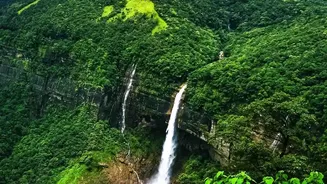
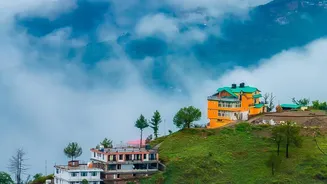
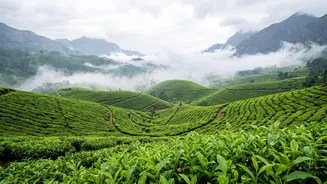
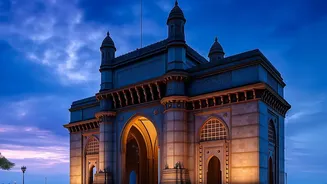
Not all destinations are created equal during the monsoon. While the rains make many places beautiful, they also make some areas unsafe. Regions prone to landslides, flash floods, and severe waterlogging should be approached with caution or avoided altogether.
Instead of automatically booking a trip to a popular hill station that might be risky, consider safer alternatives. Rain-shadow regions like Ladakh or Spiti Valley remain dry and accessible. Low-rainfall areas in Rajasthan, such as Udaipur and Mount Abu, become incredibly romantic as lakes fill up. Well-managed destinations in the Western Ghats like Coorg and Mahabaleshwar are also great choices, known for reliable infrastructure that holds up during the rains.
2. Ignoring Weather and Local Alerts
The most critical mistake is treating the monsoon as a minor inconvenience. Weather can change in a matter of hours, turning a sunny morning into a treacherous afternoon with heavy downpours. Relying on a forecast from a week ago is a recipe for disaster. Always check the latest updates from the India Meteorological Department (IMD) and local news channels before you leave and each morning of your trip. These alerts provide crucial information on expected rainfall, road closures, and potential hazards. Ignoring official warnings because it was pre-booked is a risk not worth taking.
3. Packing the Wrong Clothes and Footwear
Your regular travel wardrobe won't cut it in the monsoon. Cotton and denim are poor choices as they take a very long time to dry in high humidity, leaving you with a bag full of damp, musty clothes. The key is to pack lightweight, synthetic, quick-drying fabrics like polyester and nylon. Instead of bulky jackets, a packable waterproof rain jacket or poncho is essential. Footwear is equally important; leave the fancy shoes at home. Opt for waterproof sandals or floaters with a strong grip to navigate slippery surfaces and waterlogged streets. Smooth soles are a major slipping hazard.
4. Not Having a Flexible Itinerary
A rigid, tightly packed schedule is a setup for failure during the monsoon. Transportation delays are common, whether it's due to waterlogged roads, slow-moving trains, or flight disruptions. The best approach is to build buffer days into your plan. This allows you to accommodate unexpected delays without stress. Plan for both indoor and outdoor activities at each location. If heavy rain ruins your plan to visit a waterfall, you can switch to a museum, a local market, or a cooking class. This flexibility ensures that a day is never truly wasted because of the weather.
5. Neglecting Health and Hygiene
The monsoon season sees a spike in water-borne and mosquito-borne diseases like typhoid, dengue, and malaria. Be extremely cautious about what you eat and drink. Avoid street food that isn't prepared fresh and hot in front of you. Steer clear of raw vegetables, pre-cut fruits, and salads from outside vendors. Stick to bottled, boiled, or purified water at all times. Always carry insect repellent containing DEET, especially for travel to coastal and rural areas, and use it even during the day. Keeping a hand sanitiser handy is a simple but effective way to maintain hygiene.
6. Forgetting to Protect Your Electronics
Rain and humidity are the enemies of electronics. A sudden downpour can damage your phone, camera, and laptop in seconds. Don't assume your backpack is sufficiently water-resistant. A dedicated rain cover for your luggage is a must. For smaller gadgets, waterproof pouches or even simple ziplock bags can provide an extra layer of crucial protection for your phone, passport, and wallet. It’s also wise to carry a power bank, as power cuts can be more frequent during stormy weather.
7. Being Unprepared for Road Travel
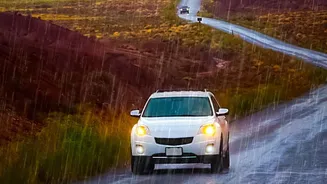
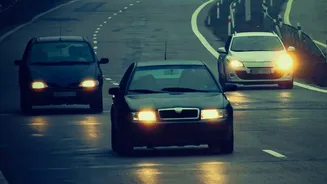
While monsoon road trips are scenic, they demand extra caution. Wet roads increase braking distance and the risk of skidding. Always reduce your speed, maintain a safe distance from the vehicle ahead, and keep your headlights on for better visibility. Never attempt to drive through a waterlogged street; the water can hide deep potholes or open drains and can easily stall your vehicle. In hilly areas, be extra vigilant for falling rocks and avoid parking near unstable slopes. If possible, avoid driving after dark when visibility is at its lowest.