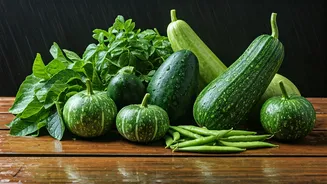




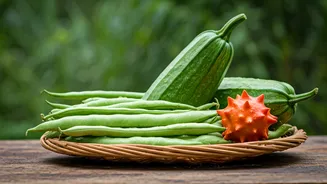


1. Bottle Gourd (Lauki/Doodhi)
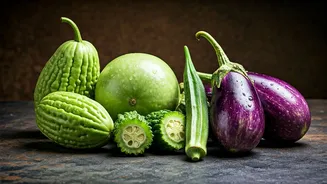
A staple in Indian households, bottle gourd is a true monsoon champion. This creeping vine loves the moisture and humidity, producing abundant fruit throughout the rainy season. It is incredibly easy to digest and has a high water content (over 90%),
making it excellent for hydration. Traditionally, lauki is considered cooling for the body and is packed with fibre, which aids digestion—a common concern during the monsoons when digestive systems can become sluggish. Its mild flavour makes it versatile; it can be used in curries, koftas, soups, or even desserts like lauki ki kheer.
2. Bitter Gourd (Karela)
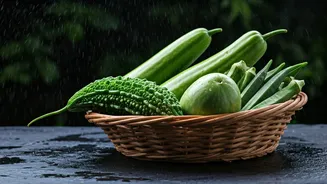
Don't let the name scare you away. Bitter gourd is a nutritional powerhouse that flourishes in the wet season. Its robust nature makes it resistant to many monsoon-related pests and diseases. Karela is renowned for its medicinal properties, particularly its ability to help regulate blood sugar levels. It's also rich in vitamins C and A, which are crucial for boosting immunity and fighting off common monsoon ailments like colds and flu. The bitterness can be reduced by salting and rinsing the vegetable before cooking. Try it stuffed, stir-fried, or added to lentils for a healthy, flavourful meal.
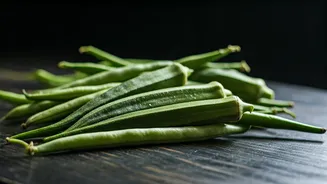
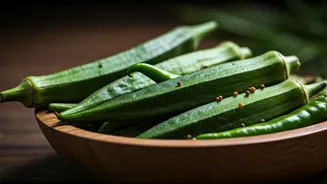
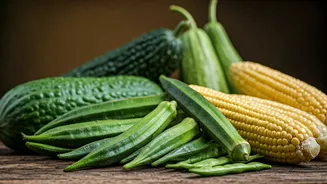
3. Okra (Bhindi)
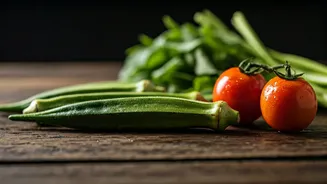
Lady's finger, or bhindi, is another vegetable that grows vigorously during the rains. While it requires well-drained soil to prevent root rot, the warm and humid conditions are ideal for its growth. Bhindi is an excellent source of dietary fibre, which helps maintain a healthy gut. It's also rich in folate, vitamin K, and antioxidants. The key to cooking perfect, non-slimy bhindi is to ensure it is completely dry before chopping and to cook it on high heat. A simple 'bhindi fry' with spices is a quick, delicious, and healthy side dish for any meal.
4. Pointed Gourd (Parwal)
Often underrated, pointed gourd is a resilient vine vegetable that is readily available during the monsoon. It's light on the stomach and easy to digest, making it a great choice for the season. Rich in vitamins A and C, it helps bolster the immune system. Parwal also contains a good amount of fibre and antioxidants. Its firm texture holds up well in cooking, making it perfect for hearty curries, stuffed vegetable dishes (bharwa parwal), or simply fried as a crunchy side. Its ability to grow with minimal care makes it a favorite among farmers in the rainy season.
5. Ridge Gourd (Turai/Tori)
Similar to bottle gourd, ridge gourd is another creeper that loves the monsoon. It has a high water content and acts as a natural coolant for the body. This vegetable is known for its blood-purifying properties and is beneficial for skin health. Its fibrous texture, particularly in the ridges, helps with digestion and prevents constipation. The flesh is soft and absorbs flavours well, making it a great addition to lentil dishes (dals) and simple sabzis. The skin is often used to make flavourful chutneys, ensuring no part of the vegetable goes to waste.
6. Cucumber (Kheera)
While available year-round, certain Indian varieties of cucumber peak during the monsoon. They are incredibly hydrating and low in calories, making them a refreshing snack. Cucumbers are packed with antioxidants and contain nutrients like vitamin K and potassium. During a season where water-borne diseases are a concern, it's advised to peel cucumbers and consume them fresh. They are perfect for salads, raitas, or simply sliced with a sprinkle of salt and pepper. Their crispness provides a wonderful contrast to the often soft and soupy foods of the monsoon.