






The Old Metric: Why Visitor Counts Fall Short
Historically, tourism's triumph was measured in footfall—the millions of international and domestic travellers arriving at airports and monuments. While these numbers signal popularity, they don't tell the whole story. This focus often overlooks the quality
of tourism and its actual economic impact on the ground. A high volume of tourists concentrated in a few crowded hotspots can strain infrastructure and provide limited benefits to communities outside the main circuit. The real measure of success, experts now argue, is not just how many people visit, but how many livelihoods are created and sustained through their visit. The new thinking prioritizes a more decentralized model, where the economic benefits of travel are spread more evenly across the nation.
A New National Strategy: Jobs and Experiences First
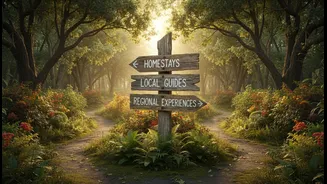
The government is now championing a vision of tourism as a key driver of employment and inclusive growth. Recent policy discussions and budget allocations reflect this change, with a clear focus on developing sustainable and responsible tourism. Union Minister for Tourism, Gajendra Singh Shekhawat, has emphasized a target to increase the tourism sector's contribution to the national economy significantly by 2047, viewing it as a decentralized force for development. This approach moves beyond just building hotels to creating entire ecosystems. Initiatives are geared towards skilling local youth as guides, supporting entrepreneurs to set up homestays, and empowering artisans to connect with the tourism market, ensuring that revenue from travel directly benefits local households. The goal is to transform tourism into one of the highest employment generators after agriculture.
Putting Rural India on the Tourist Map
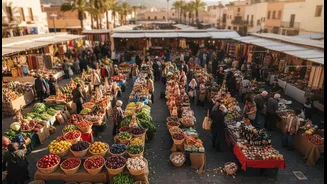
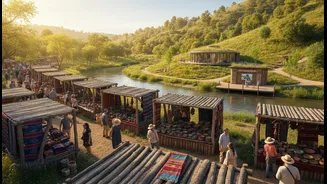
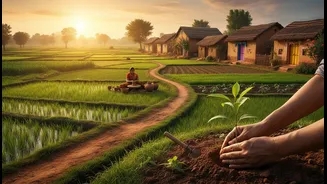
The heart of this new strategy lies in India's villages. With a majority of the population residing in rural areas, developing village-based tourism is seen as a powerful tool for economic upliftment. Instead of just being places to pass through, villages are being developed as destinations in themselves, offering authentic experiences like farm stays, craft workshops, and local culinary tours. Schemes like Swadesh Darshan 2.0 are designed to create theme-based circuits that often include lesser-known rural locations, bringing infrastructure and investment to these areas. This not only creates supplementary income for agricultural communities but also helps preserve local traditions and reduces the pressure of migration to urban centers.
Culture and Heritage as Economic Drivers
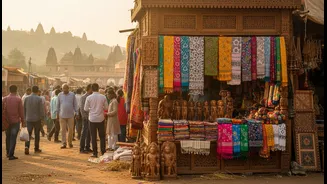
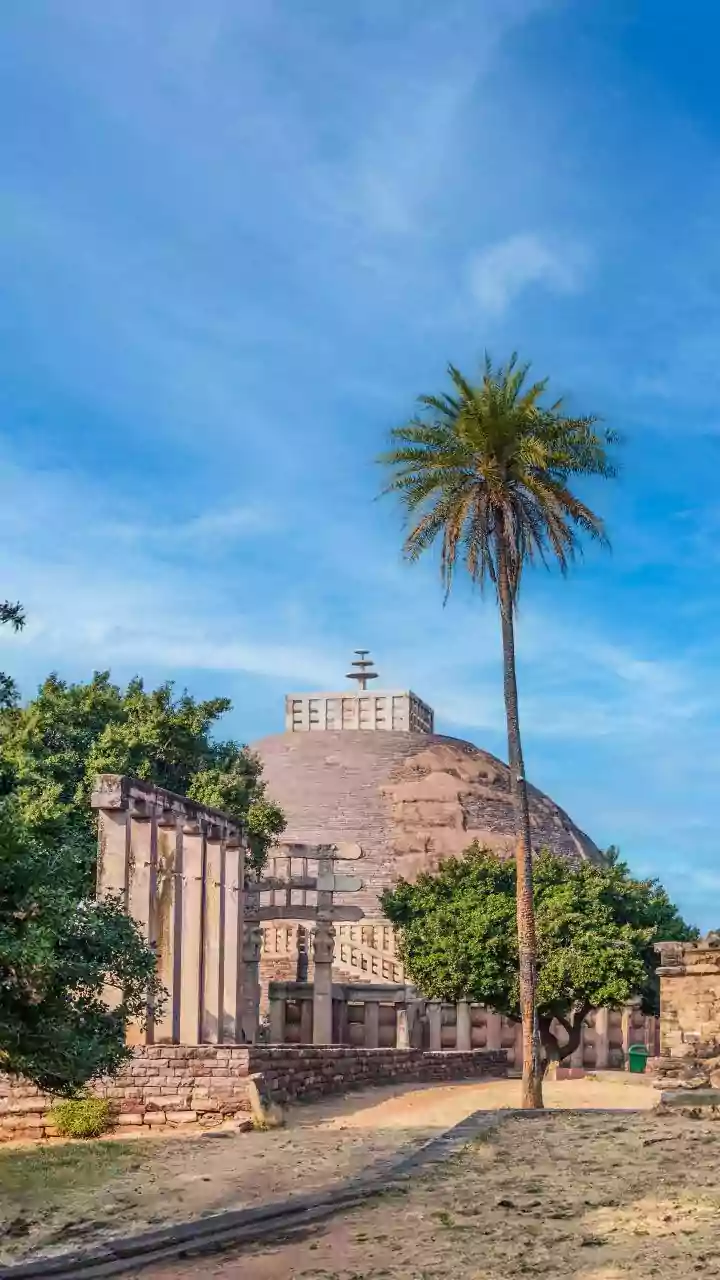
Beyond scenic beauty, India's rich cultural and historical heritage is being positioned as a central pillar of its tourism offering. The new approach focuses on creating immersive experiences rather than just passive sightseeing. This involves professionally managing heritage sites, using modern storytelling technology, and developing cultural industries like handicrafts and performing arts as viable economic activities. Cultural industries are already one of the largest employers in rural India, and linking them to tourism creates a massive opportunity for growth. By showcasing living heritage—the traditions, art forms, and lifestyles of its diverse communities—India can offer a unique and enriching travel experience that goes far beyond monuments, creating a deeper connection between the visitor and the destination.
The Road Ahead: Challenges and Opportunities
This strategic pivot is not without challenges. Issues like last-mile connectivity, ensuring service quality, and effective marketing of new destinations remain critical hurdles. To realize its full potential, India must continue to invest in infrastructure, streamline regulations, and enhance digital accessibility for foreign tourists. However, the opportunity is immense. As travelers increasingly seek authentic and sustainable experiences, India is perfectly positioned to meet this demand. By successfully shifting its focus from just visitor volume to creating value-driven experiences, the tourism sector is poised to become a transformative force for job creation and balanced regional development across the country.