




The Search for a Quick Fix
For generations, Indian breakfasts were elaborate, leisurely affairs. Think freshly made parathas, steaming idlis with sambar, or carefully prepared poha. But in today's fast-paced urban centres, time is the ultimate luxury. Hectic work schedules, long
commutes, and the desire for a few extra minutes of sleep have made traditional breakfasts an unfeasible daily option for many. This created a breakfast vacuum, with a growing number of professionals and students either skipping the day's most important meal or reaching for unhealthy, processed options. The market was ripe for a solution that was quick, but didn't come with a side of guilt. This need for speed without compromising on a sense of a real meal set the stage for a new breakfast contender.
A Marriage of Health and Convenience
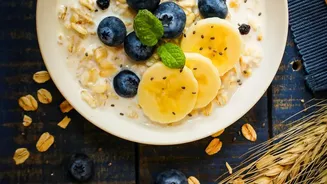
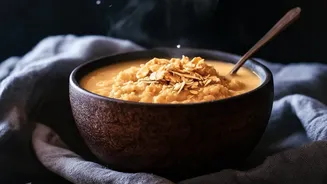
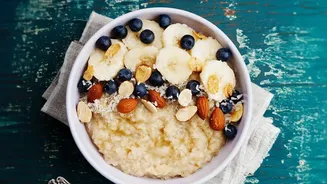
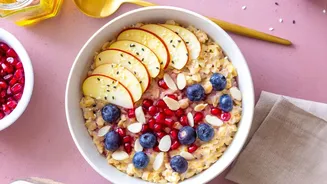
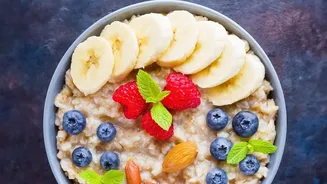
Enter oats. Globally recognised for their health benefits, oats are a powerhouse of nutrition. They are rich in a soluble fibre called beta-glucan, which is known to help reduce cholesterol and stabilize blood sugar levels. This makes them incredibly filling, providing sustained energy that prevents mid-morning slumps. Initially, oats entered the Indian market primarily as a bland, sweet porridge, which didn't quite align with the nation's savoury palate. The game changed with the introduction of instant and masala-flavoured oats. These products offered the holy grail for the urban consumer: a nutritious meal that could be ready in under five minutes, perfectly fitting into the morning rush.
The Taste of Home in a Bowl
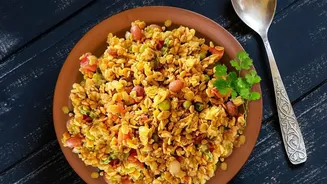
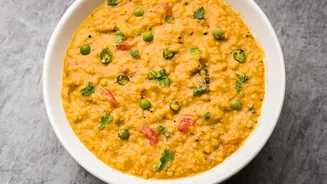
The true genius behind the rise of masala oats was its adaptability. Plain oats act as a blank canvas, ready to absorb the vibrant flavours of Indian cuisine. The introduction of pre-packaged masala variants was just the beginning. The real revolution happened in home kitchens, where people began treating oats like upma or poha. By adding a traditional tadka of mustard seeds and curry leaves, sautéing onions and tomatoes, and tossing in a handful of local, seasonal vegetables like carrots, peas, and bell peppers, a foreign grain was transformed into a comforting, desi meal. This customisation is key; it allows for endless variety and a connection to familiar tastes, making the breakfast bowl feel both new and deeply traditional at the same time.
More Than Just a Breakfast Trend
The popularity of masala oats is more than just a food trend; it’s a reflection of the modern Indian identity. It showcases a society that is increasingly health-conscious and globally aware, yet deeply rooted in its own culinary traditions. It speaks to a generation that values efficiency and convenience but is unwilling to compromise entirely on flavour or nutrition. While brands have certainly played a role in popularising oats, its staying power comes from its genuine utility. In a world of fleeting food fads, the savoury bowl of oatmeal has found a permanent place because it solves a real problem for millions of urban Indians, offering a balanced, quick, and satisfying start to a demanding day. It proves that a revolution doesn't always have to be loud; sometimes, it's as quiet as a simmering pot of oats on the stove.