







Why Stagnant Water is a Mosquito Magnet
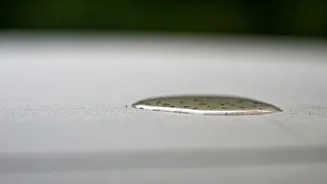
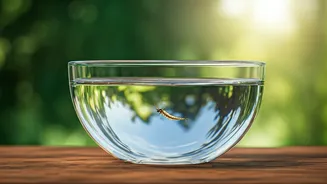
A tiny amount of stagnant water, even as little as what a bottle cap can hold, is a perfect nursery for mosquitoes. [7] Female mosquitoes lay their eggs on the surface of still water, and these eggs hatch into larvae, often called 'wigglers,' within 24
to 48 hours. [2, 3] These larvae live in the water for about four to fourteen days, feeding and growing before transforming into pupae. [2] The pupal stage, where they become adults, lasts just a few days. [4] This entire cycle from egg to a flying, biting adult can be completed in as little as a week. This rapid life cycle is why eliminating standing water is the most crucial step in controlling mosquito populations and reducing the risk of diseases like dengue, chikungunya, and malaria, which are widespread in India. [6, 15]
Your Weekly Home Checklist: Indoors
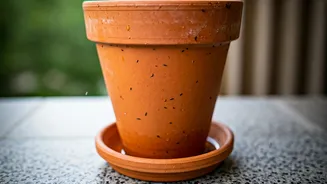
A weekly inspection of your home can make a massive difference. Many common household items can collect water and become unintentional breeding grounds for mosquitoes, especially the Aedes mosquito, which spreads dengue and chikungunya and often breeds indoors. [6, 17] Pay close attention to flowerpot saucers and trays under plants; empty and scrub them regularly. [14] The drip trays of refrigerators and air conditioners are often overlooked but can collect enough water for larvae to thrive. [19] Water in decorative vases or indoor plants should be changed every few days. [19] Even an unused toilet bowl or a drain trap that has dried out can become a breeding site, so it's a good practice to flush them periodically to keep the water fresh.
Patrolling the Perimeter: Outdoors
The areas immediately surrounding your home are just as important. Discarded items are notorious for collecting rainwater and turning into mosquito hotspots. Check your yard, garden, and terrace for old tyres, coconut shells, buckets, and any plastic containers. [8, 14] Ensure that drains and gutters on and around your property are clean and not clogged with leaves or debris, which can cause water to back up. [20, 21] If you have bird baths or pet water bowls, the water should be changed daily. [14] Any tarps or plastic sheets covering items should be arranged so they don't sag and collect puddles. Consistent vigilance outdoors is key to disrupting the mosquito breeding cycle before it even starts.
Beyond the Obvious: Unexpected Breeding Spots
Mosquitoes are resourceful and will find the most unexpected places to lay eggs. For instance, some ornamental plants, like bromeliads, have leaves that trap water and can become breeding sites. [5] Any low-lying areas in your garden or uneven paving on a patio that allows small puddles to form after rain should be levelled. [20] Water coolers, if not cleaned regularly, can become a major source of mosquitoes inside the home. [14] Even dustbins left outside without a lid can collect enough rainwater to support a generation of mosquitoes. [8] Thinking like a mosquito and searching for any spot that can hold water for more than a few days is essential for comprehensive control.
Make Prevention a Weekly Routine
Given the short life cycle of mosquitoes, a weekly routine is your most powerful weapon. Dedicate a specific day of the week, perhaps a Sunday, as your 'Mosquito Prevention Day'. In just 15-20 minutes, you can walk through your home and yard, completing the checklist of emptying, cleaning, or covering any sources of stagnant water. [21] This simple, consistent habit is far more effective than occasional fogging or spraying because it eliminates the problem at its source. [19] Making this a part of your household chores can significantly reduce the mosquito population in your immediate environment and protect your family's health throughout the year, especially during peak seasons.
Adding More Layers to Your Defence
While eliminating breeding grounds is the most effective long-term strategy, you can supplement your efforts with additional protective measures. Installing mesh screens on windows and doors is a great physical barrier that allows for ventilation while keeping mosquitoes out. [14] Using a mosquito net, or 'machardani', while sleeping provides reliable protection, especially for children. [14] In areas with high mosquito density, using approved repellents can offer personal protection. [13] Some people also find that planting natural repellents like tulsi, neem, citronella, or lavender around the house can help deter mosquitoes. [14, 20] These methods work best when used in combination with diligent source reduction.