



Understanding Arrowroot Flour
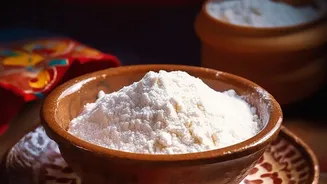
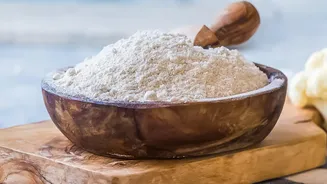
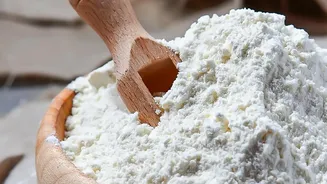
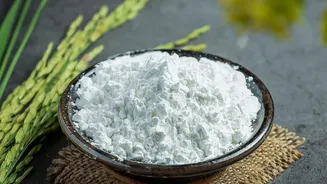
So, what exactly is arrowroot? It's a starch extracted from the root of the Maranta arundinacea plant, a tropical tuber. Unlike cornstarch, which can be derived from genetically modified corn and processed with chemicals, arrowroot is minimally processed.
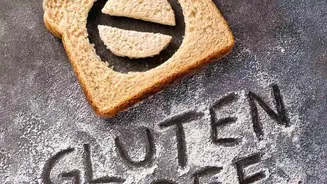
It's naturally gluten-free, grain-free, and paleo-friendly, making it a star ingredient for various dietary needs. Nutritionally, it boasts more protein than other root starches like yams or potatoes and contains beneficial nutrients like folate and potassium. Its primary superpower in the kitchen is its ability to thicken sauces and gravies without imparting any flavour, creating a glossy, clear finish rather than a cloudy one. However, its talents go far beyond that.
A Closer Reading: Savoury Arrowroot Flatbreads
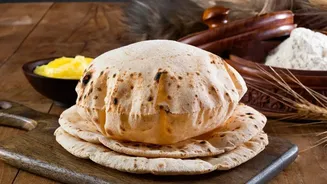
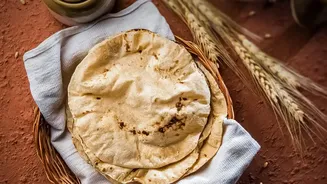
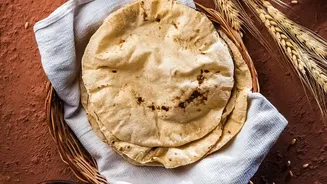
The true magic of arrowroot flour reveals itself in recipes like savoury flatbreads. Here, it is not just a substitute but the key to a superior texture. Many gluten-free bread recipes can be dense or crumbly, but arrowroot provides a delightful chewiness and a pliable structure. One simple yet effective recipe involves mixing equal parts arrowroot flour and water, kneading it briefly into a dough, then rolling it thin and cooking it on a hot griddle for a few minutes per side. Another popular approach blends arrowroot with other gluten-free flours like cassava or almond flour, along with coconut milk or yogurt, to create a richer, more complex flatbread. The arrowroot helps bind the ingredients and contributes to a soft interior and a perfectly crisp exterior. Whether you infuse the dough with herbs like rosemary and garlic or keep it plain, these flatbreads are the perfect vessel for dips, wraps, or as a simple side.
The Crispiest Coating for Fried Foods
Move over, all-purpose flour. If you desire an incredibly light and crispy coating for chicken, fish, or vegetables, arrowroot is your secret weapon. Because it doesn't absorb as much oil, it results in a less greasy, more satisfying crunch. For perfect gluten-free chicken nuggets, simply cut chicken breast into pieces, toss them in a mixture of arrowroot flour seasoned with salt, paprika, and garlic powder, and pan-fry in coconut or avocado oil until golden brown. The same technique works wonderfully for fish fillets or even sweet potato fries, giving them a restaurant-quality crispiness right at home.
The Silkiest Soups and Sauces
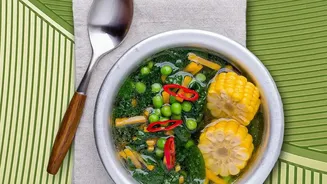
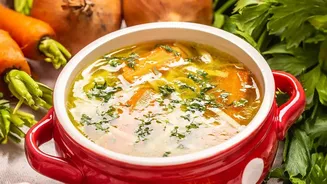
Arrowroot's most classic use is as a thickener, and it excels in this role. It has about twice the thickening power of wheat flour and creates a beautiful, glossy sheen. The key is to make a 'slurry' first: whisk a tablespoon or two of arrowroot powder with an equal amount of cold water until completely smooth before adding it to your hot liquid. This prevents clumping. Add the slurry at the end of the cooking process, as prolonged heat can cause the starch to break down. It's perfect for everything from a rich mushroom gravy or a savoury pan sauce to a classic sweet and sour stir-fry sauce, thickening the dish just before serving.
Better-For-You Baked Goods
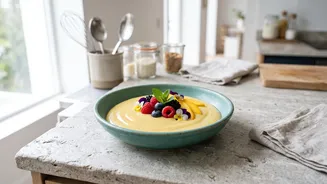
While not a standalone flour for bread-making, arrowroot is a fantastic team player in gluten-free baking. It lightens the texture of dense flours like almond or coconut flour, resulting in softer cookies and fluffier cakes. It also acts as a binder, helping to replace eggs in some vegan recipes. You can use it to create delicate, gluten-free biscuits, light-textured pancakes, or even a simple, creamy pudding. Its neutral taste ensures that the primary flavours of your vanilla, chocolate, or fruit always take centre stage.